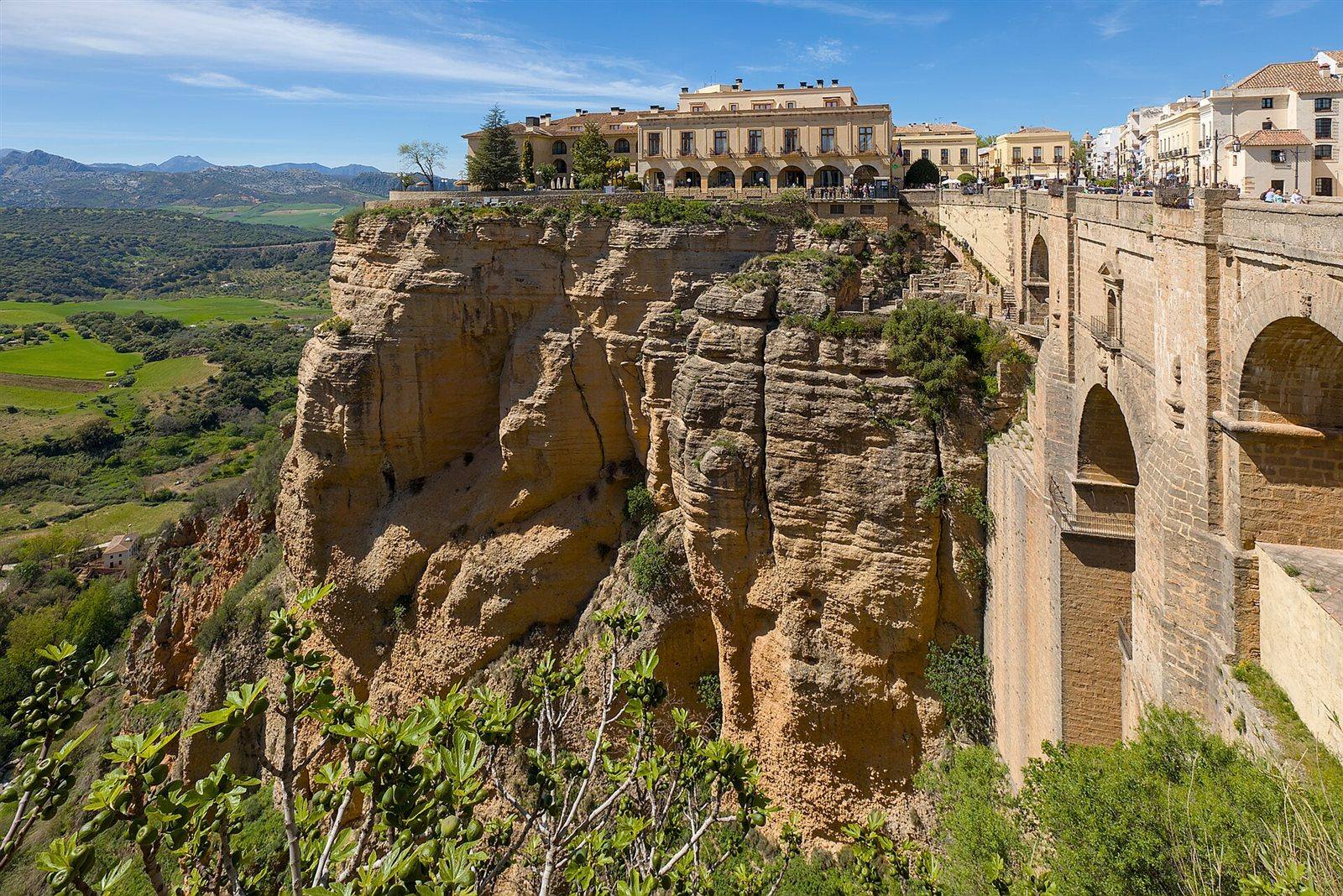
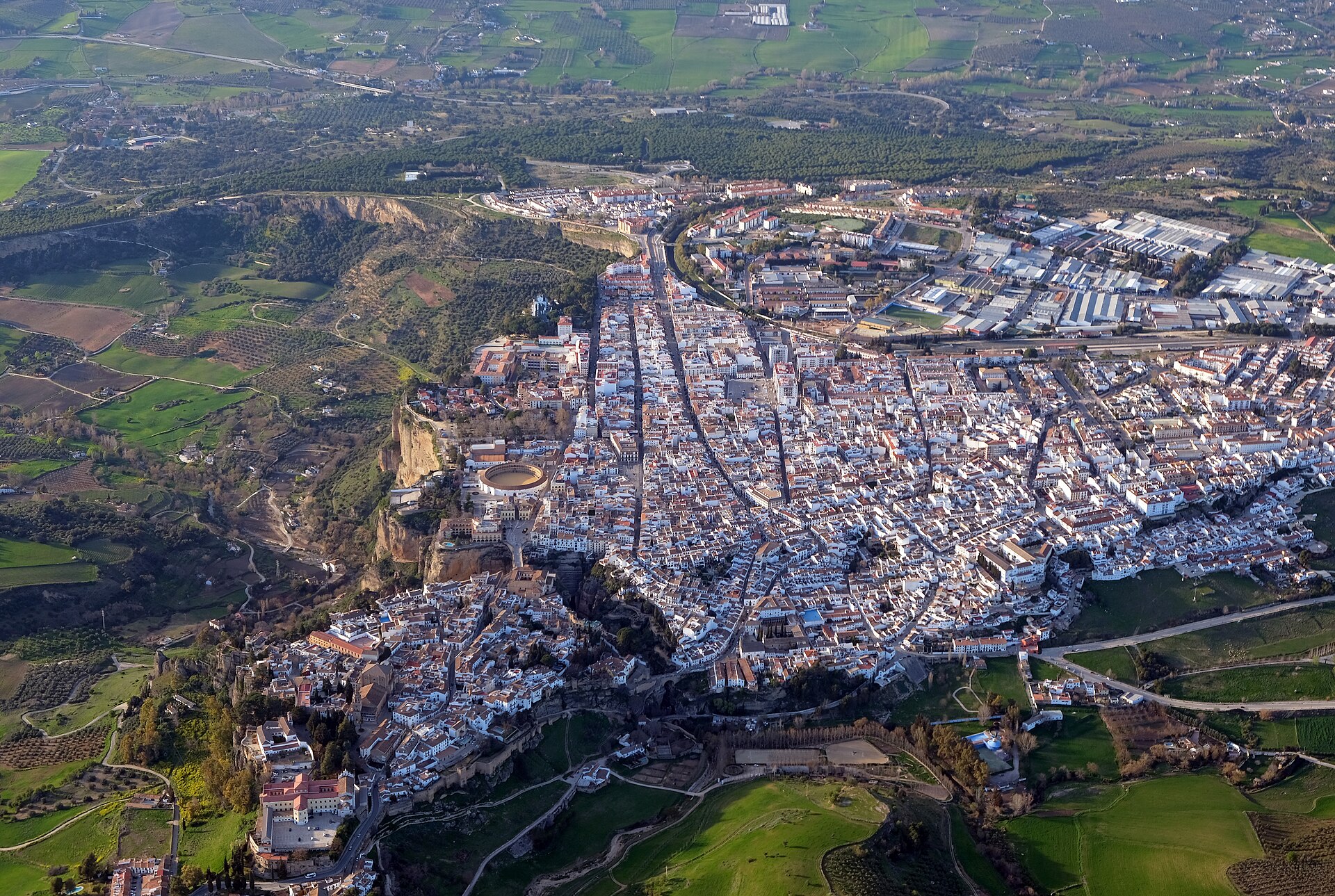
Ronda Day Trip from the Costa del Sol: Complete Guide Ronda is the one inland trip nearly every visitor to the coast ends up making, and for good reason: a town split in two by a 100-metre gorge, with a stone bridge stitching it back together. We've driven up there more times than we can count, usually when friends visit and want "the one with the bridge." Here's how to do it without wasting your day stuck in coach traffic or queuing behind forty selfie sticks. Getting there: car vs bus. By car from Marbella the fast-and-boring route is the A-7/AP-7 west to San Pedro, then the A-397 mountain road straight up. It's about 50 km and 50–60 minutes, but those last 40 minutes are a proper twisting climb through the Sierra de las Nieves — gorgeous, occasionally stomach-churning, and a magnet for cyclists and Sunday motorbikes. If anyone in the car gets carsick, give them the front seat and stop at the Mirador del Puerto for air. From Málaga you've got two options. The A-357 via Ardales and the El Chorro area is the prettier one (and lets you bolt on the Caminito del Rey if you book ahead). The faster, duller approach loops down to the coast and up the A-397. Either way budget around 1h30 from the city. No car? The bus is genuinely fine. Avanza runs direct coaches from Marbella's bus station (Avenida Trapiche) to Ronda, roughly 1h15–1h45 depending on stops, with several departures a day; a return is around €13–16. From Málaga, Los Amarillos / Avanza run from the María Zambrano estación de autobuses, about 2 hours. The train from Málaga exists but requires a change at Bobadilla and eats half your day — skip it unless you love trains for their own sake. Park in Ronda at the underground car park on Plaza del Socorro or the El Campillo lot near the gorge. Do not try to drive into the old town; the streets are medieval and you will end up reversing past a tour group. The Puente Nuevo and the best photo spot. The Puente Nuevo ("new bridge," finished 1793 — new is relative here) is the reason you came. Most people stand on the bridge itself, which is the one view you don't get a photo of, because you're on it. Here's where to actually shoot it: Mirador de Aldehuela, just off the bridge on the old-town side — the classic postcard angle looking down the gorge. The Jardines de Cuenca, a terraced garden on the new-town side, free, with staggered viewpoints down the cliff. Quieter than the main mirador. The bottom of the gorge. This is the one people miss. Take the path down from Plaza de María Auxiliadora (signed "Mirador / Puente Nuevo"). It's a steep 10–15 minute walk down and a sweatier one back, but standing at the foot of that bridge looking up is the shot. Wear real shoes, not flip-flops. Golden hour from the Aldehuela side, with the late sun hitting the bridge stone, is worth timing your whole day around. The bullring and the rest of the old town. Ronda's Plaza de Toros (1785) is one of the oldest in Spain and, unlike most, you can wander the ring, the sand, and a small museum. Entry is around €9 (audio guide a few euros more). Whether you find it fascinating or grim depends on your feelings about bullfighting; either way the architecture and the adjoining Alameda del Tajo gardens — with their own cliff-edge viewpoints — are worth the stroll. Cross into La Ciudad, the old Moorish half. The Baños Árabes (Arab baths, ~€4.50) are the best-preserved in Spain and genuinely worth 20 minutes. The Casa del Rey Moro gardens have a precarious staircase cut into the rock down to the river — closed on and off for restoration, so check before queuing. What to skip: the Museo del Bandolero (bandit museum) is small and very tourist-trap; the endless souvenir shops on Calle Espinel; and any restaurant with a laminated menu in six languages and a tout outside. Where to eat. The trap is eating on the bridge plaza, where you pay €18 for mediocre paella with a view. Walk five minutes inland instead. Locals point you toward Calle Nueva and the streets around Plaza del Socorro in the new town. For proper rondeño cooking — rabo de toro (oxtail), local goat cheese, mountain sausages — try the sit-down spots away from the gorge; tabancos and family-run places fill up by 2pm with Spanish families, always a good sign. If you just want a quick, cheap, excellent lunch, do what we do: a few tapas at the bar rather than a table on a terrace. Order a tinto de verano (not sangria — that's the tourist tell), some jamón, and the local payoyo cheese. When to go to dodge the crowds. Ronda lives and dies by the coach timetable. Tour buses from the coast and from Seville/Málaga cruise ins around 11am–4pm, and in that window the bridge is shoulder-to-shoulder. The fix is simple: arrive before 10am or after 5pm. We strongly prefer arriving early. Be on the Aldehuela mirador by 9:30 and you'll have the gorge nearly to yourself, do the bullring as it opens, eat lunch at 1:30, and be driving home as the day-trippers are still arriving. Avoid weekends if you can — Saturday is busiest with both tourists and locals up from the coast. September and October are the sweet spot: warm, golden light, harvest season, far thinner crowds than July–August, when the old town bakes and the car parks fill by mid-morning. If you're planning around weather generally, our best time to visit notes apply up here too, just a few degrees cooler. Combine it with Setenil de las Bodegas. If you've got a car and an early start, pair Ronda with Setenil de las Bodegas, 20 km north (about 25 minutes on the A-374/CA-9123). Setenil is the famous village where houses are built into and under the rock overhangs — the streets Cuevas del Sol and Cuevas de la Sombra are the ones you've seen in photos, with the cliff forming the roof over the bars and terraces. It's small; an hour and a lunch is plenty. The trick is sequencing: do Ronda first thing, drive to Setenil for a late lunch around 2pm when the day's coaches have mostly gone, then loop home. Setenil has no real bus connection from the coast, so this combo basically requires driving. Don't try to add a third town — you'll spend the day in the car. Practical tips. Getting there: Car is best (50 min from Marbella, 1h30 from Málaga via the scenic A-357). No car? Avanza buses from Marbella (~€13–16 return, 1h15+) or Málaga's María Zambrano station. Park at Plaza del Socorro or El Campillo; never drive into the old town. Timing: Arrive before 10am or after 5pm. Avoid Saturdays. Best months: May–June and September–October. Photo spot: Walk down into the gorge from Plaza de María Auxiliadora for the iconic upward shot — proper shoes required. Book ahead only if adding the Caminito del Rey (sells out days in advance). The bullring and Arab baths you can buy on the door. Skip: the bandit museum, terrace restaurants on the bridge plaza, and the slow Bobadilla train. Combine with Setenil de las Bodegas (25 min north) only if you're driving — Ronda morning, Setenil for a late lunch. For more inland ideas and what's on while you're here, browse our Ronda guide and the wider Costa del Sol pages.
Discover more