Costa Guide
    Costa del Sol · Andalucía

    Málaga

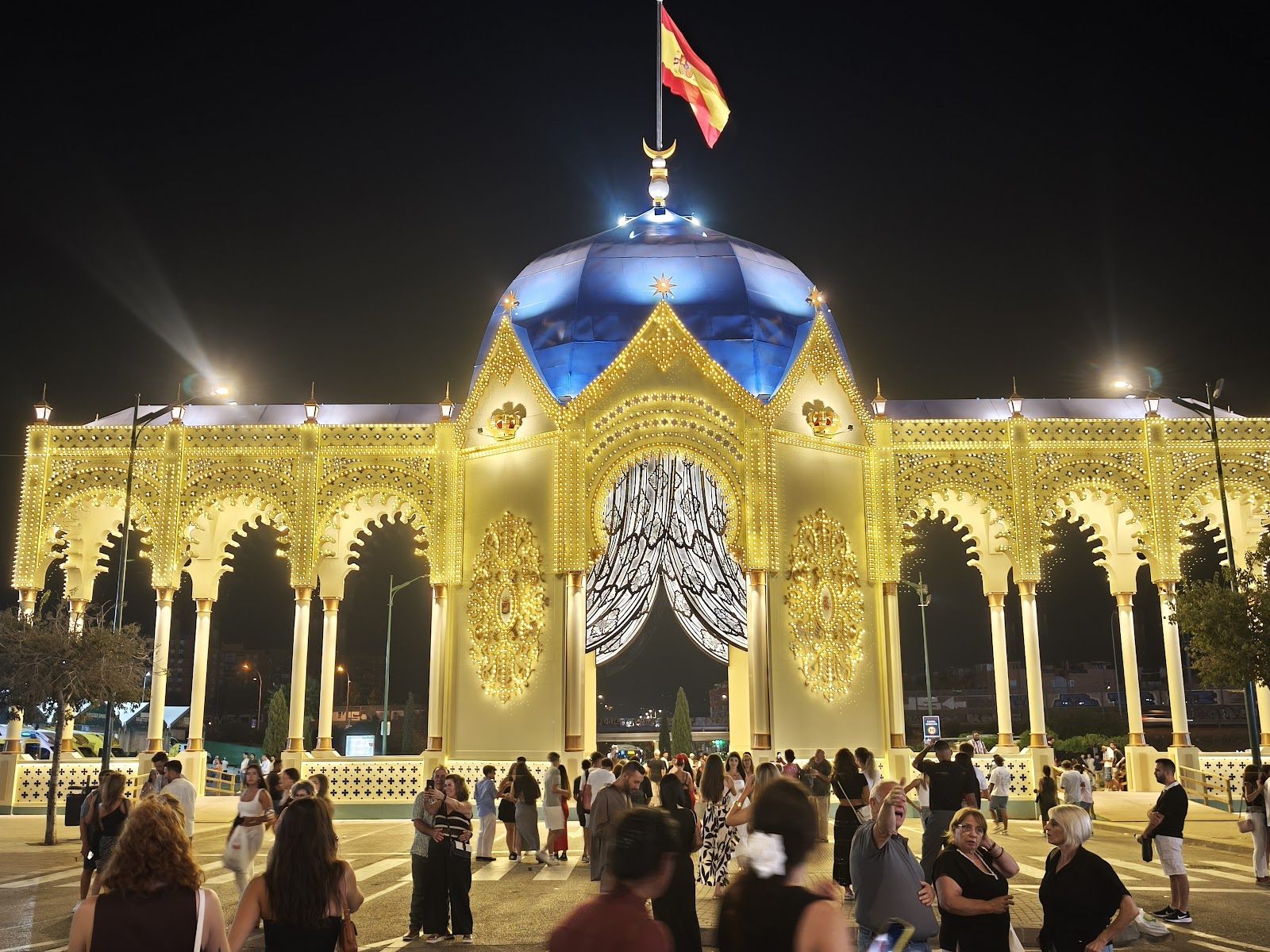
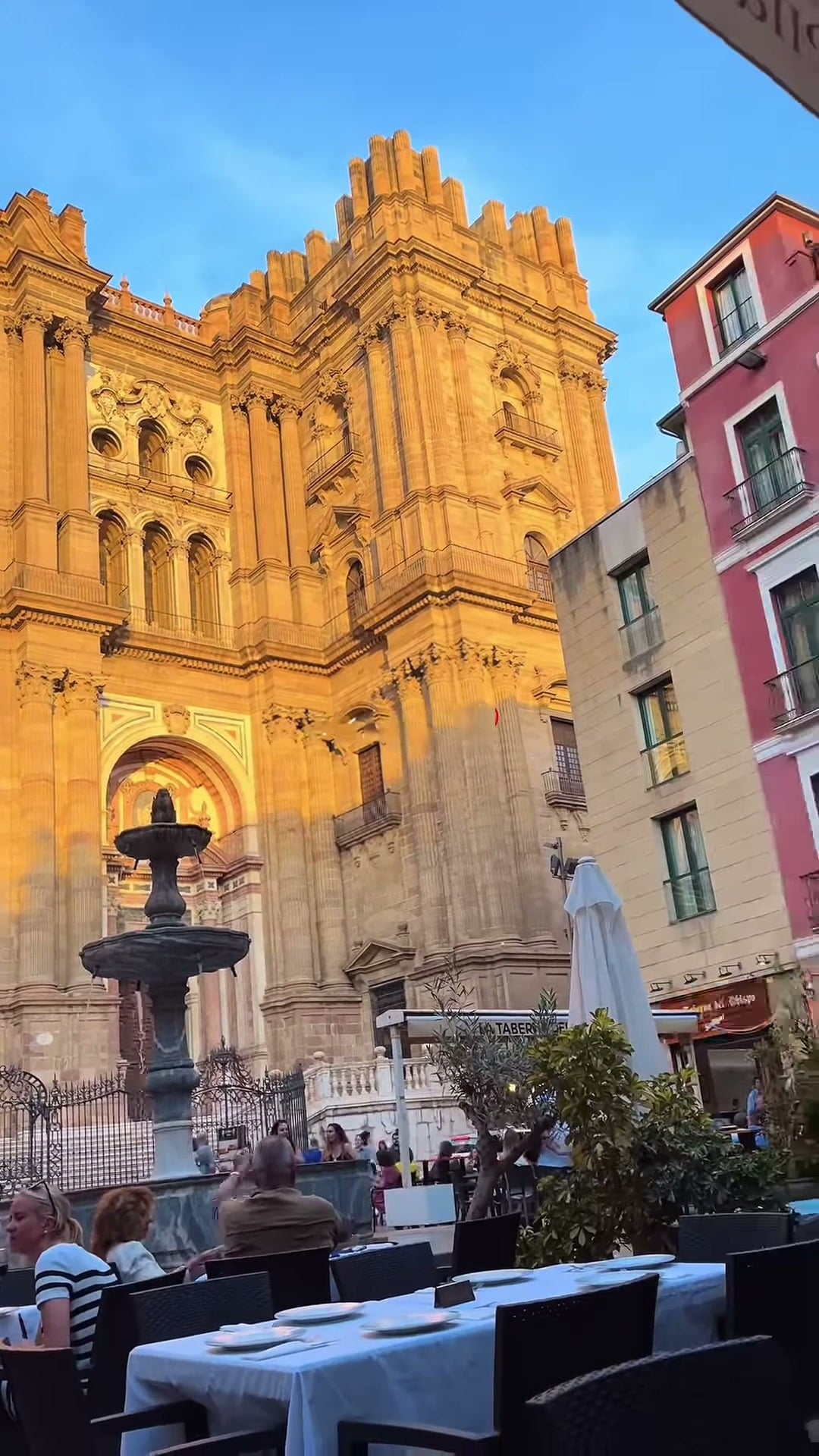
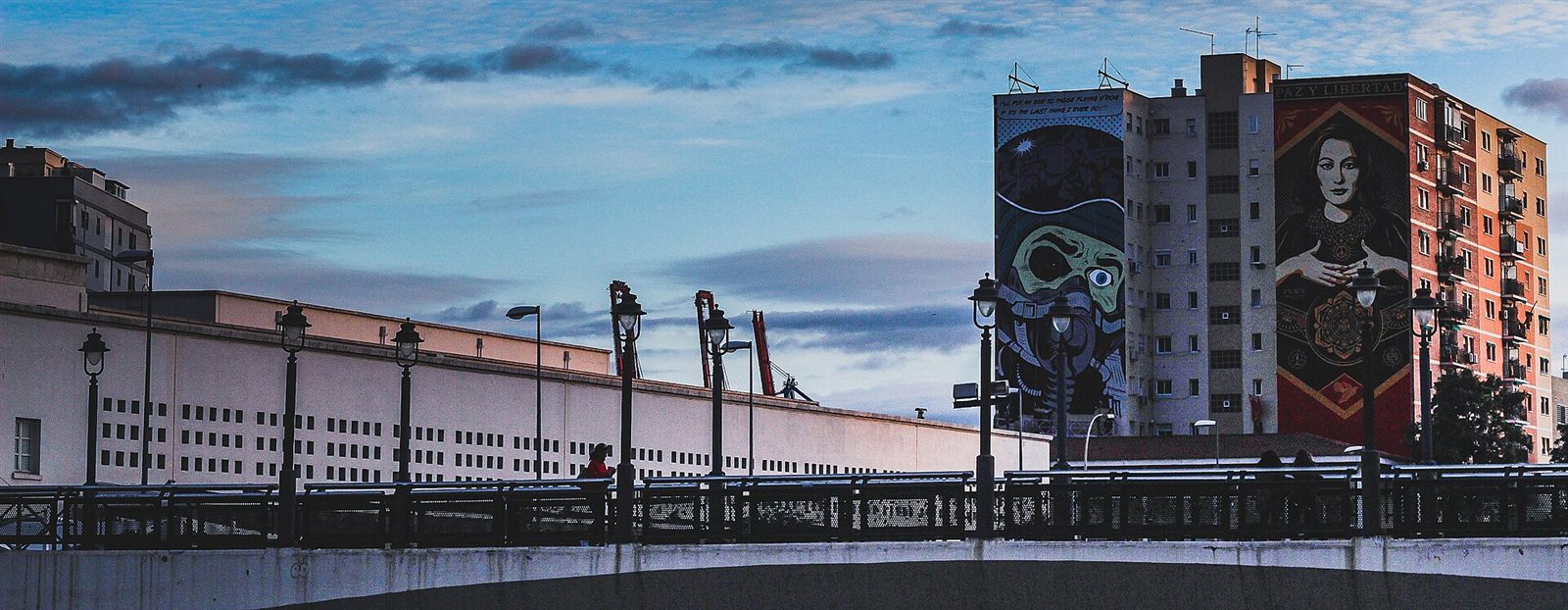
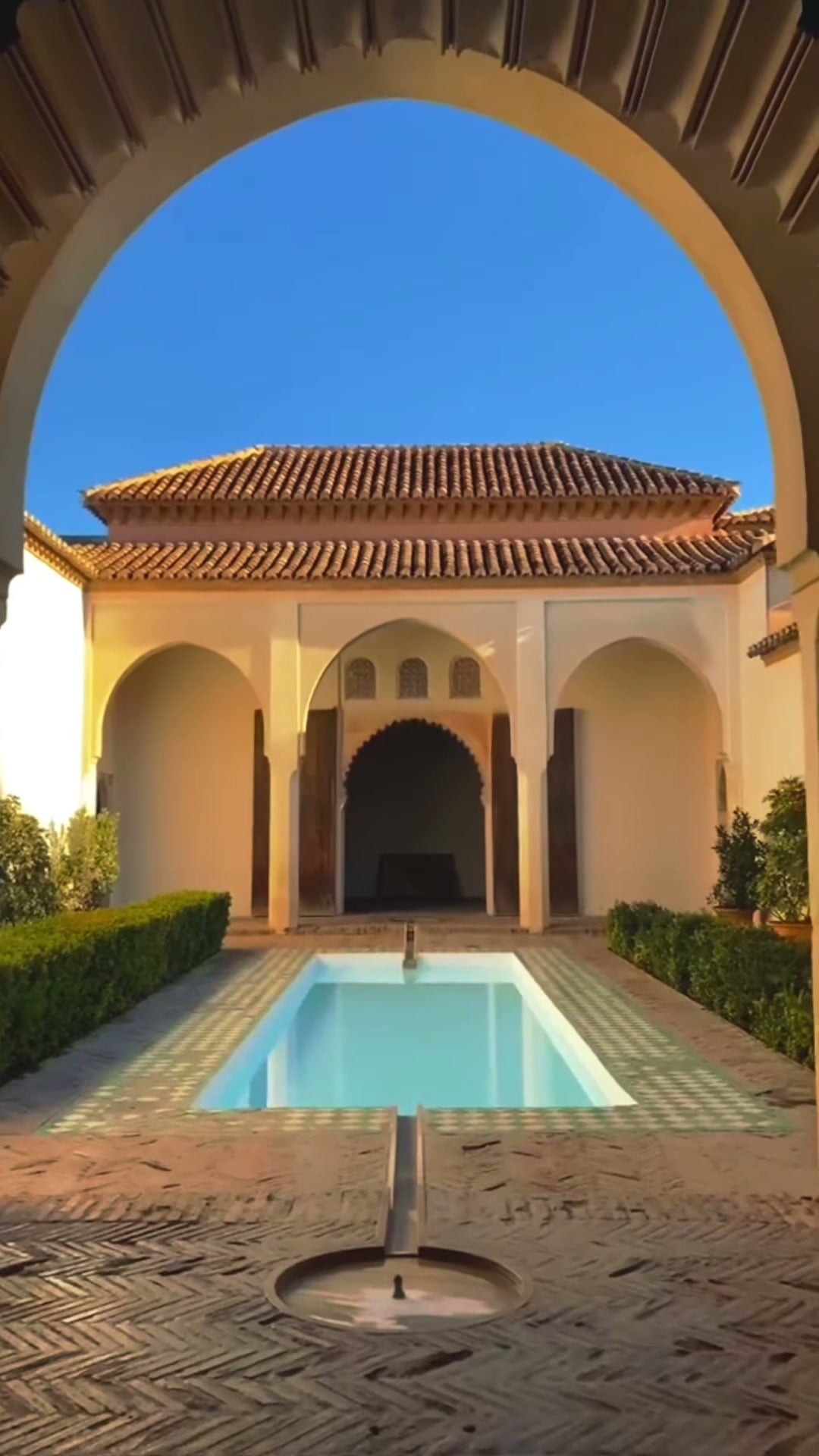
    Málaga is the capital of the Costa del Sol — not officially, but in everything that matters. It's the city where the plane drops you and where most people drive straight on to Marbella or Nerja, and that's a mistake. Over the last decade Málaga has reinvented itself: the Soho district is bursting with street art, the Pompidou and Picasso museums put the city on Europe's cultural map, and the old port became a promenade where you watch the sunset with a gin-tonic in hand.

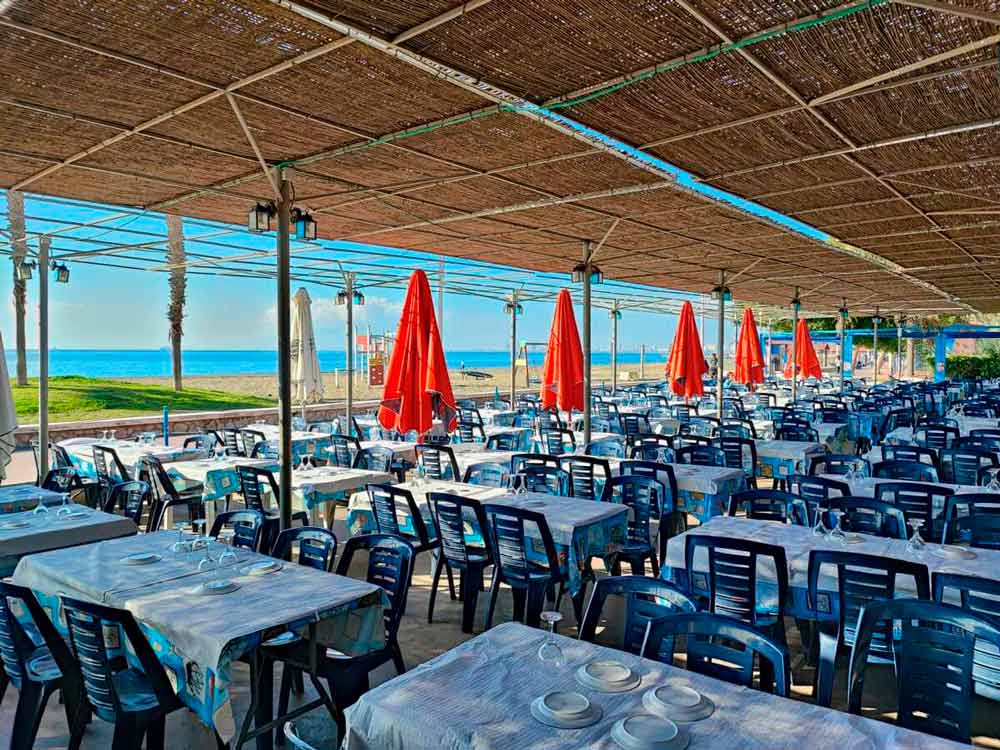
    But real Málaga isn't at the museums. It's at Atarazanas market at 1pm, in the old espeto restaurant down in El Palo where sardines hang on sticks over the fire, and on Calle Alcazabilla where you stand at the Roman theatre looking up at the Alcazaba. We live here — this is what we show our friends when they come.

    Casco Histórico
    Soho
    El Palo
    Pedregalejo
    La Malagueta
    Lagunillas
    Huelin

    Picasso Museum · Atarazanas market · Alcazaba & Roman Theatre · Soho street art · espetos in El Palo · Muelle Uno at sunset

    Insider articles

    What we know about Málaga

    Flamenco in Málaga: The Real Thing Versus the Tourist Show
    Culture
    Local tip
    Málaga
    19 Apr

    Flamenco in Málaga: The Real Thing Versus the Tourist Show

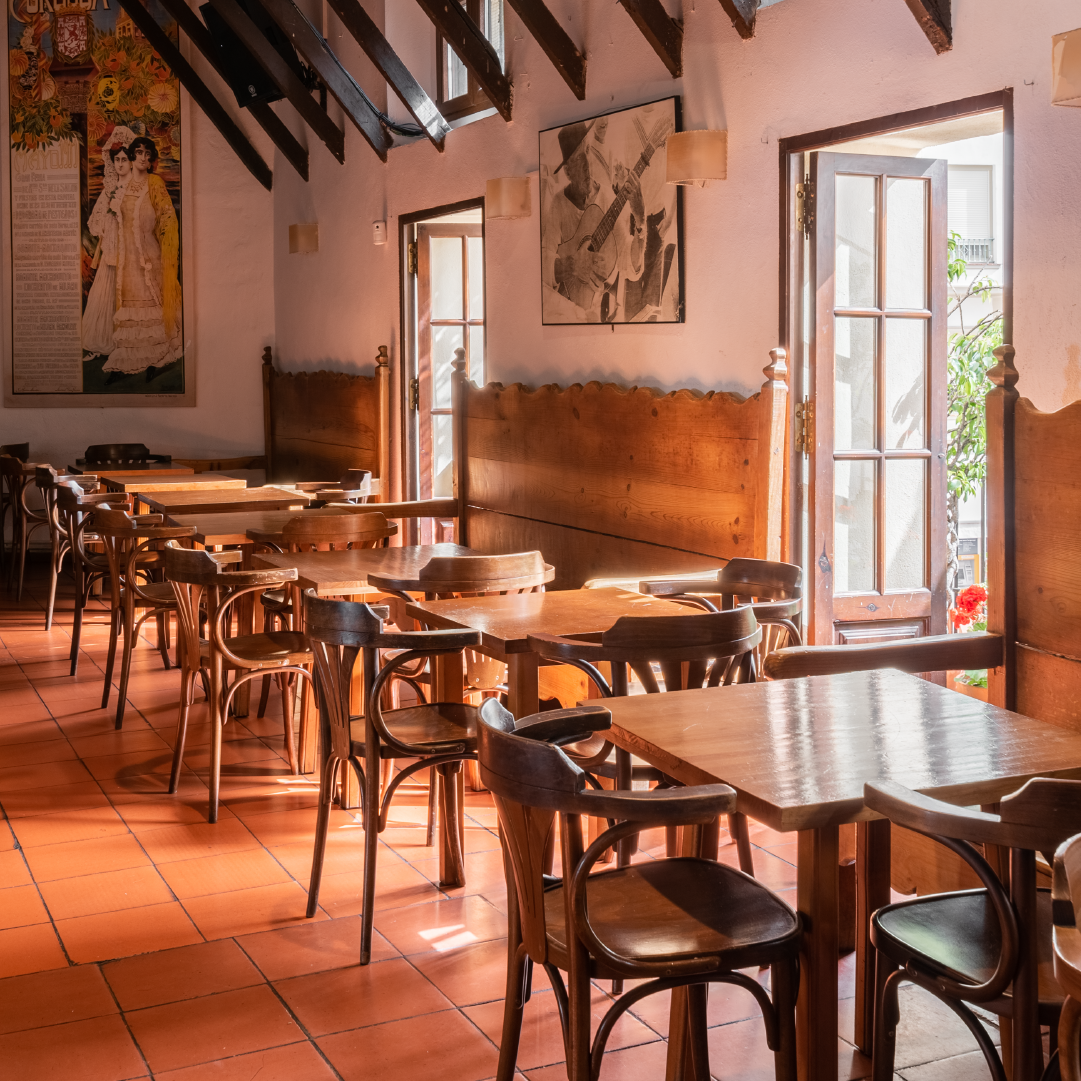
    A good flamenco show isn't a show — it's a room where the guitarist, the dancer, and the singer lock into something together, and you either feel it or you don't. Málaga isn't Seville and it isn't Jerez. But the city has a surprisingly broad flamenco scene: free Friday nights at Spain's oldest peña, through to polished tablao shows for cruise passengers. Here's how to tell them apart — and which one is right for you. Peña Juan Breva — Spain's oldest peña. Founded in 1958, tucked down a side street off Calle Beatas, the Peña Juan Breva is the oldest peña still running in Spain. The ground floor is a small museum holding more than 5,000 sound archives, 2,500 CDs and 20 guitars — some of which are over two centuries old. Downstairs there's a tablao that hosts a Friday night recital at 8pm. Free entry. The audience is local, the performers are a mix of amateurs and professionals, and between numbers they stop to chat with the room. This is flamenco the way it's meant to be: small, honest, and every so often, dizzyingly good. Shows: Friday 8pm (occasionally Thursday or Saturday — call ahead) Museum: Mon–Sat 10am–2pm, €3 donation Calle Ramón Franquelo 4, Málaga centre Tel: (+34) 952 22 13 80 or (+34) 687 607 526 Teatro Cervantes — When the big names pass through. Every April Teatro Cervantes runs its own Flamenco Serás Tú festival, featuring national-level artists you'd normally only see in Jerez or Seville. The rest of the year, flamenco concerts appear regularly on the programme. The interior alone — three tiers, an 1870 painted ceiling, warm golden light — makes the evening something to dress for. Acoustics are good enough that you can hear the dancer's foot-tap from the top balcony. Tickets from €12, headline acts up to €40 Check the programme at teatrocervantes.com Calle Ramos Marín, 2 min walk from Plaza de la Merced Book well in advance for Flamenco Serás Tú Kelipé Centro de Arte Flamenco — Intimate and serious. Behind the Atarazanas market sits Kelipé — a flamenco school that also runs shows. Because it's a school, the standard is consistently high: visiting guest artists drop in to perform for the students. The room is small (around 40 seats), which means you're literally three metres from the dancer. The show is called Flamenco De Ley and runs about an hour. If you want to really understand it: book a workshop as well — an afternoon among the students will teach you more about duende than ten shows. Shows Wednesday–Sunday 8pm Tickets from €28 including one drink Calle Muro de Puerta Nueva 10 Workshops by appointment via kelipe.net Alegría Flamenco y Gastronomía — The tablao done well. Close to the port, 2 minutes from the Pompidou centre, Alegría is the most accessible option — and at the same time the best-executed tourist tablao in town. Multiple shows a day, usually four artists on stage (dancer, singer, guitarist, percussion), with the option of dinner on the terrace beforehand. No pretence of being the authentic article, but a slickly performed spectacle. Ideal if you're with family or a group and want a first taste of flamenco without navigating odd times or phone bookings. Shows daily at 5:30pm, 8:45pm and 10:30pm Tickets from €28, dinner bookable separately Calle Vélez Málaga 6, Málaga-Este The early show tends to be less packed How to choose. First time seeing flamenco and only one night in town? Alegría or Kelipé — guaranteed a good show. Been to a tablao before and want something real? Peña Juan Breva on a Friday night. Turn up early — the room is small. You're a fan and a big name is on the programme? Teatro Cervantes, stalls or first tier. You've got a full evening and a curious stomach? Vino Mio or Los Amayas — dinner plus show, less intense but social. Duende — what to listen for. Flamenco doesn't run on choreography. The guitarist, the singer and the dancer listen to each other, speed up, pull back, bounce off each other. The moment when all three lock into the same pocket is called duende — literally 'spirit' — and that's when the audience starts shouting 'Olé!', even when nothing obvious is happening. If you've never felt it in a show: go to Peña Juan Breva. Go four times if you have to.

    The Tapas Bars in Málaga Where Locals Actually Eat
    Food & Drinks
    Local tip
    Málaga
    31 Mar

    The Tapas Bars in Málaga Where Locals Actually Eat

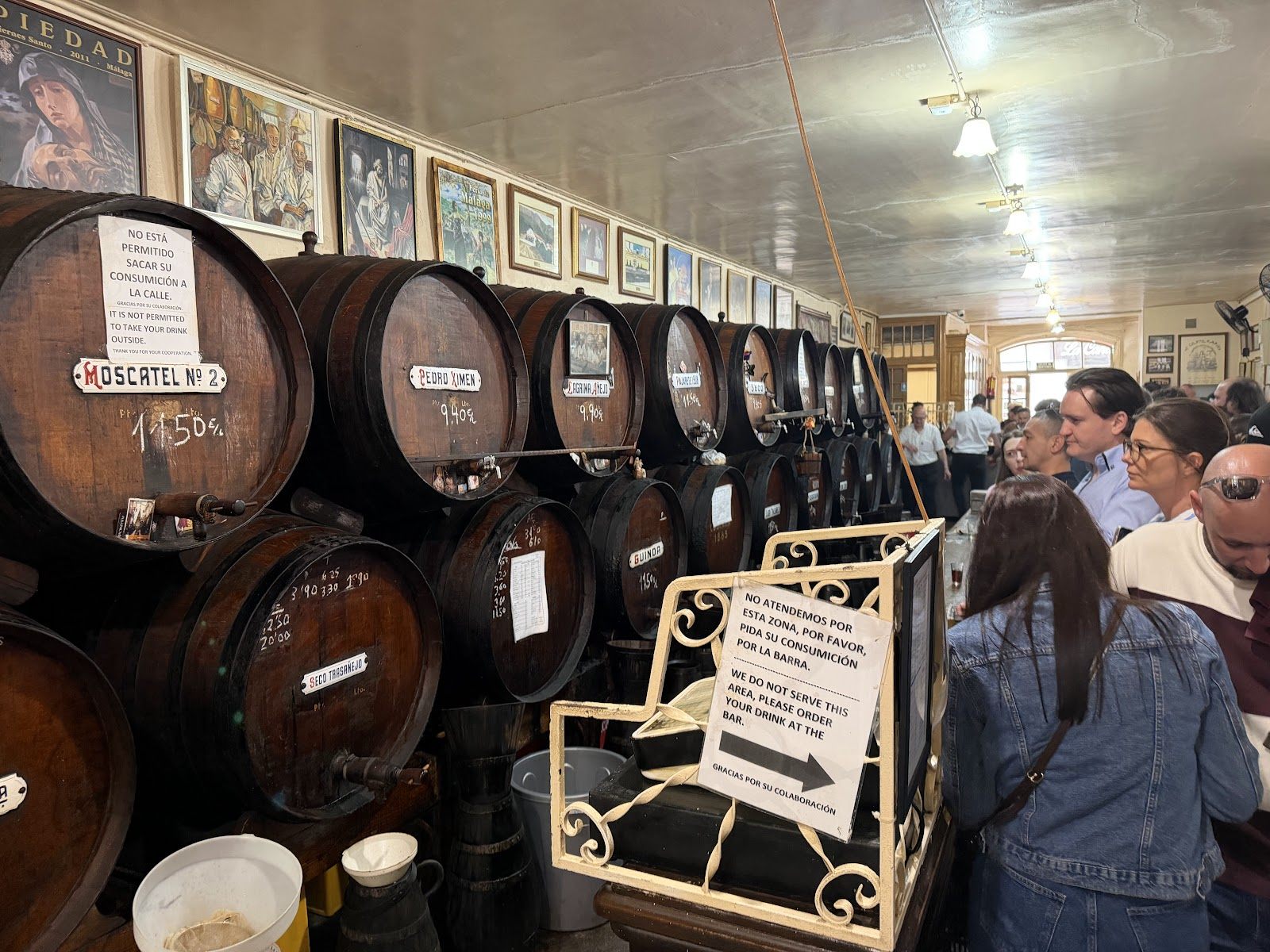
    Forget the terraces on Plaza de la Merced where a beer costs six euros and the patatas bravas come straight from the freezer. The real tapas of Málaga hide in the narrow streets around the Atarazanas market and in the Soho and El Perchel neighbourhoods — where the waiter doesn't hand you a menu but simply asks: '¿Qué te pongo?' Casa Lola — The perfect start. Walk to Calle Cárcer and push open the door of Casa Lola. It's small, it's packed, and the tapa with your first beer is free. Order the berenjenas con miel — fried aubergine with honey — and you'll immediately understand why this dish is Málaga's calling card. No frills, no fancy plate, just good. Lo Güeno Mesón — Fresh fish from the market. From Casa Lola, it's a three-minute walk to the Atarazanas market. The small bars around the market serve until late. At Lo Güeno Mesón, the fish is always from that day. Ask for the boquerones en vinagre (anchovies in vinegar) or the gambas al pil pil. The owner knows the name of every fisherman who supplies his fish — that's the level of freshness you're looking for. Bar La Tranca — Tapas like grandma's. Head to the Soho district, Málaga's creative heart. Here you'll find Bar La Tranca — a bar that looks like a garage sale but serves tapas you'd expect at your grandmother's house. The speciality is the flamenquín: a roll of pork stuffed with jamón serrano, breaded and fried. Not healthy, but unforgettable. On Friday evenings there's often live flamenco. Uvedoble Taberna — Creative Málaga style. For those seeking something more refined: Uvedoble Taberna at the foot of the Alcazaba combines traditional Málagueño flavours with a creative twist. Think tuna tataki with soy reduction or squid on a bed of sweet potato purée. The outdoor table overlooking the Roman theatre is worth the wait. Bodega El Pimpi — The classic. Yes, Bodega El Pimpi is touristy. But it's also where Málagueños celebrate their birthdays and drink their Pedro Ximénez sherry. The secret: skip the terrace and walk through to the courtyard at the back. Order a glass of sweet wine from the barrel and a plate of jamón ibérico. The atmosphere of the old wine barrels and the signed casks on the walls complete the experience. Practical tips. When: Start around 20:30, not earlier — everything will still be empty Budget: Expect around €15-20 per person for an evening of tapas and drinks Free tapas: Most bars give a free tapa with your drink — order per round and switch bars Payment: Cash is handy at the smaller bars The golden rule: If there are no locals at the bar, keep walking

    Málaga FAQ

    What is Málaga known for?

    Málaga is known for being Picasso's birthplace — a real Andalusian city of museums, the hilltop Alcazaba and Gibralfaro castle, a buzzing port and some of the coast's best tapas. Our guide pulls together the places, restaurants, beach clubs and events worth your time, sorted by rating.

    How do you get to Málaga from Málaga airport?

    From Málaga airport, the airport is in Málaga itself: 10–15 minutes by taxi, or hop on the Cercanías C1 train or the express bus straight into the centre. Pre-booked transfers are the most convenient with luggage or a group; public transport is the cheapest option.

    How many days do you need in Málaga?

    2–3 days is enough to see the highlights at a relaxed pace, longer if you want full beach days. Many visitors base themselves on the coast and explore neighbouring towns on day trips.

    When is the best time to visit Málaga?

    May–June and September–October are the sweet spot: warm sea, long sunny days and far fewer crowds than peak summer. July and August are hottest and busiest; winters stay mild and quiet, ideal for sightseeing and golf.

    Is Málaga good for families?

    Very — interactive museums, the Bioparc-style attractions nearby, a sandy city beach and an easy, flat centre make it one of the coast's most family-friendly bases.

    More in Málaga

    We use cookies

    We use cookies to improve your experience. By continuing to browse, you accept our use of cookies. Cookie policy →

    AI Assistant
    😊

    Costa Guide Assistant

    Ask me anything about Costa del Sol

    AI Assistant
    🎉

    Hi! How can I help you? Ask me about activities, restaurants or services.

    Log in to save your chat history