Costa Guide
    Costa del Sol · Andalucía

    Nerja

    Nerja is where the Costa del Sol stops and the Costa Tropical begins. The town sits 65 km east of Málaga, making it literally the furthest point before you cross into the province of Granada. The centre grew around the Balcón de Europa — a walkway jutting out over the sea, named after King Alfonso XII said in 1885 he was looking at "the balcony of Europe", and the name stuck.

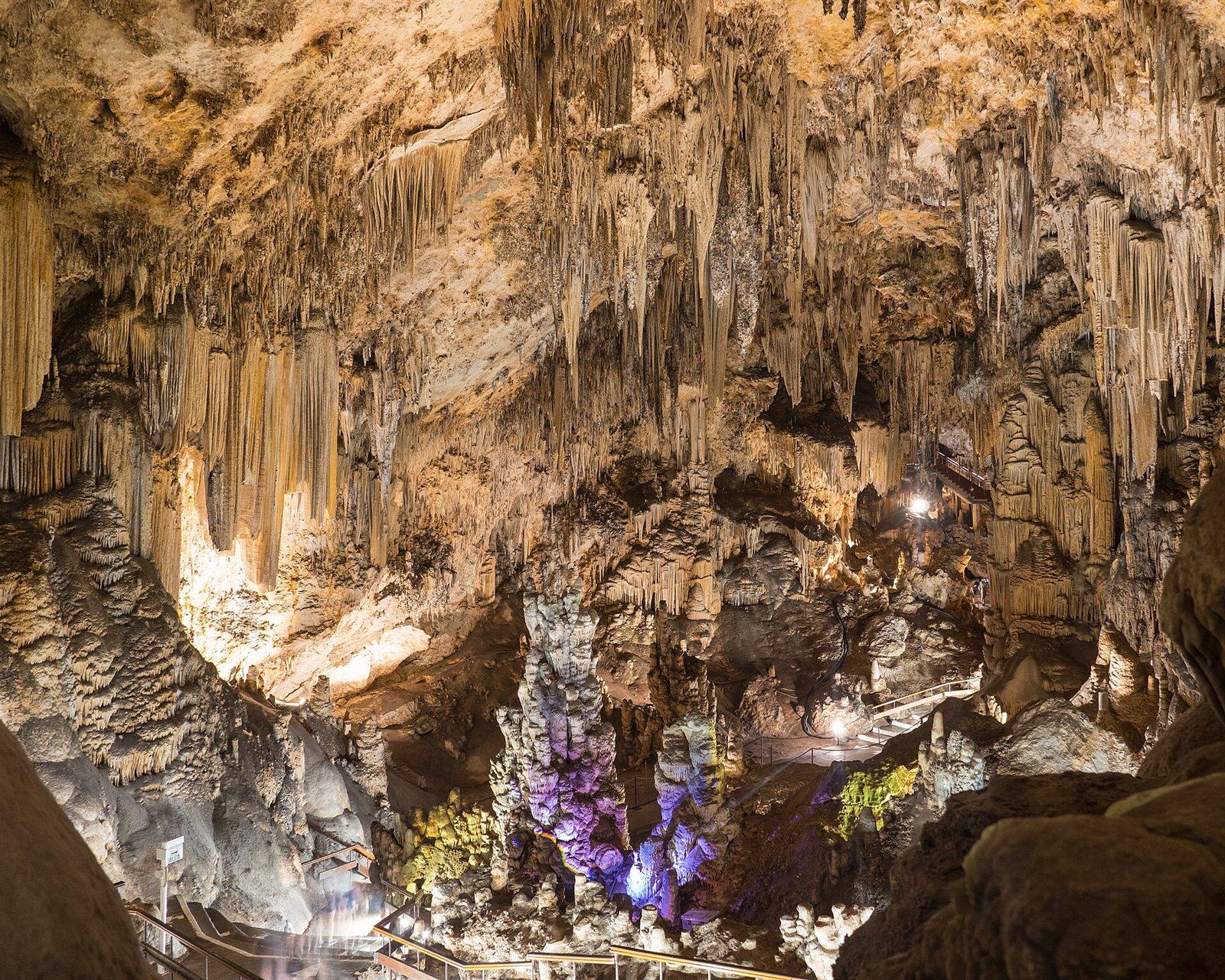
    What sets Nerja apart is the scale. No high-rises, no marina, no theme park — just a real Andalusian town that happens to be on the sea. Burriana and Calahonda beaches are narrow and intimate, not the endless sand stretches of Fuengirola. Five minutes east are the Caves of Nerja, open since 1959 and home to one of Europe's largest stalagmites. We actually don't come here in July or August — the Cueva acoustics concerts in July are famous but the town overflows. April and October are perfect, and the paella at El Anglo at two in the afternoon doesn't change.

    Casco Antiguo
    Burriana
    Calahonda
    La Torrecilla
    El Capistrano
    Maro

    Balcón de Europa · Caves of Nerja · Burriana beach · Maro waterfall · Acueducto del Águila · Frigiliana day trip

    Insider articles

    What we know about Nerja

    Nerja and the Caves: More Than a Tourist Trap if You Time It Right
    Culture
    Local tip
    Nerja
    28 May

    Nerja and the Caves: More Than a Tourist Trap if You Time It Right

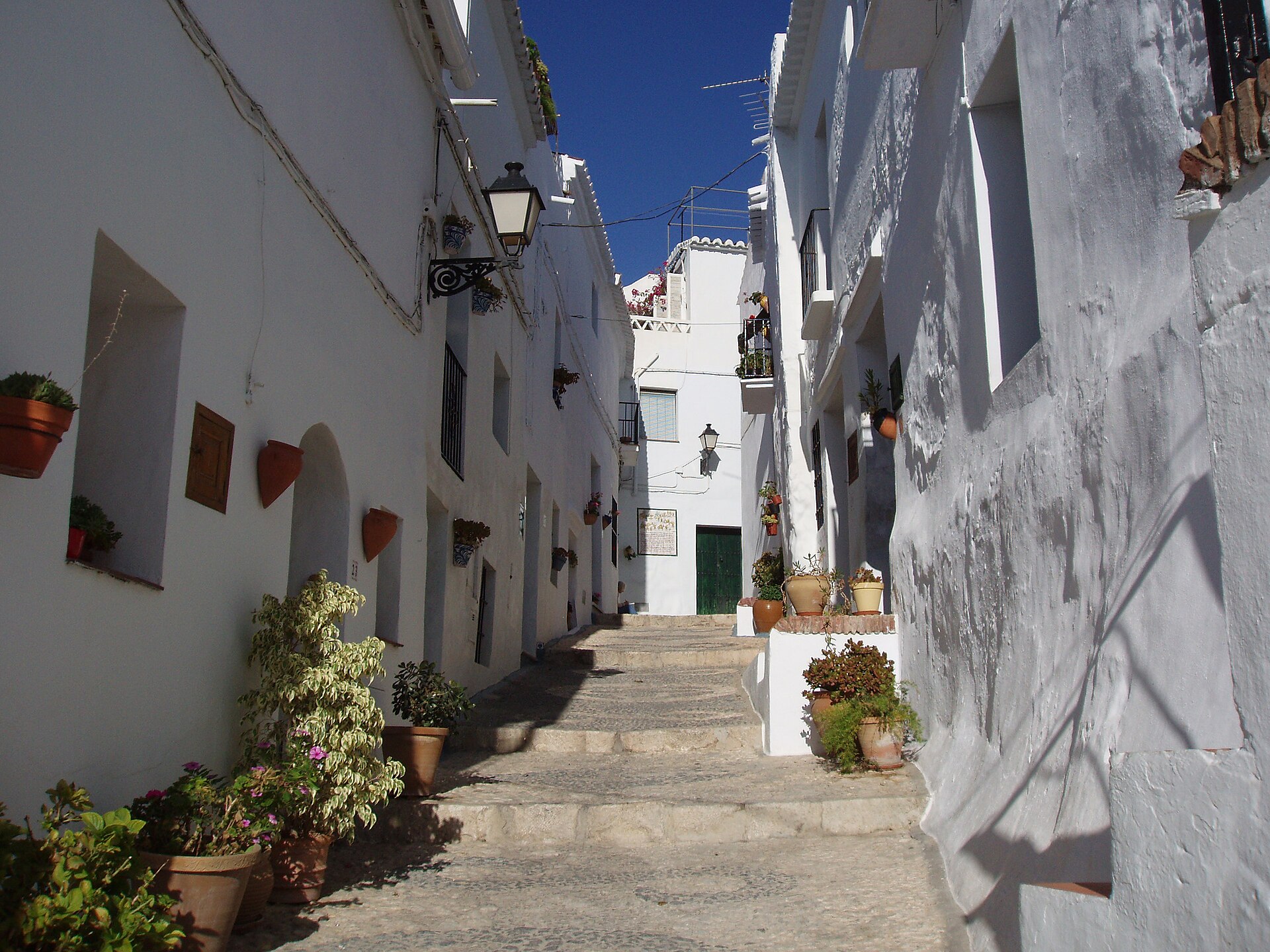
    Cuevas de Nerja sits on every top-10 Costa del Sol must-see list — which is exactly what makes it one of the top-10 tourist traps. But if you're inside by 11:00, plan your day around it, and eat at the right places, this remains one of the most spectacular day trips from the coast. Here's the locals' version. Cuevas de Nerja — The trick is timing, not the tour. Cuevas de Nerja were discovered in 1959 by five boys looking for bats. The caves hold paleolithic paintings (some 42,000 years old — archaeologists still argue these might be the world's oldest), the largest stalagmite in the world (32m), and a natural amphitheatre chamber that hosts the Festival Internacional Cueva de Nerja in July/August. We went last October at 10:00 — fifteen minutes' wait, two tour buses ahead of us; at 11:30 three more had arrived. That's the difference. Open: 09:00-19:00 (June-September), 09:00-16:30 (otherwise) Price: €15 adults, €13 child 6-12 Tip: buy ticket online the evening before, arrive 09:45 Skip the tour: choose the audio guide (€3 extra), not the live tour Balcón de Europa — The view and the centre of Nerja. After the caves drive 5 min to the centre of Nerja and park at Parking del Balcón. Balcón de Europa is the iconic promenade view with palms, a marble-white balustrade and views to the Sierra Almijara — free, no waiting. We always head straight to the far east side (most crowd stays on the west side) — from there you see both beaches at once and the photographer has the sun behind them. Best time: 11:30-12:30 or after 17:00 Coffee: Café Rubens on the Balcón does a serious espresso (€2) Tip: keep walking to Calle Carabeo for terrace restaurants with the REAL view Playa de Burriana and Chiringuito Ayo — Paella on the sand. Playa de Burriana is Nerja's main beach — 800m of sand, clear water, and on its east end: Chiringuito Ayo, which serves unlimited paella for €13 per person at lunch. Ayo García (the founder) cooked the pan himself every day for 50 years — he passed in 2023, his son runs it now, and the quality is exactly the same. We come here at least once every holiday — arrive 13:15 (first paella ready 13:30). Open: daily 12:00-22:00 (April-October) Paella special: all-you-can-eat €13 per person, daily 13:30-15:30 Tip: ask for the rice crust on the bottom (socarrat) of the second pan Parking: free along the promenade, full from 12:00 Frigiliana — The white town 10 minutes from Nerja. A lot of people forget Nerja has a side-trip town: Frigiliana, 7 km inland. A completely white village on a mountainside, narrow flower-pot alleyways, and the most beautiful old Moorish quarter on the whole Costa del Sol. We park at the outer edge and walk up — an hour is enough for the centre. On Wednesday morning there's the street market where Frigiliana honey is sold (the honey festival in late April/early May is famous). Free to visit Best time: before 11:00 or after 17:00 (midday is hot) Food: Bar El Mirador for lunch, El Adarve for a fuller dinner Honey: buy at La Casa del Apicultor in the centre Eating in old Nerja — Not at the Balcón. The restaurants directly on the Balcón de Europa are mostly tourist-priced — €18 for freezer-quality paella. Walk one street north (Calle Pintada) and you find Bar Patanegra (€12 menu del día with jamón ibérico) or El Pulguilla for tapas (€2-4 per piece, free tapa with each drink). We always eat here after the caves — that difference between the tourist strip and the locals' strip is exactly one street. Bar Patanegra: Calle Pintada 9, daily 12:00-15:30 and 19:00-23:00 El Pulguilla: Calle Almirante Ferrándiz 26, daily except Monday Tip: at El Pulguilla you get one free tapa per drink — three beers is a full lunch Practical: route from Marbella. Car: A-7 east, 90-110 min (Marbella → Nerja, ~120 km) Bus: ALSA direct Marbella → Nerja, 2 hours, €14 one-way Best months: May + June + September + October (summer = 35°C+ in caves and town) Time plan: leave 08:30 → 10:00 caves → 11:30 Balcón → 13:30 Burriana paella → 16:00 Frigiliana → 19:00 return = full day Combining with Caminito del Rey isn't possible as a day trip — pick one per day

    Nerja FAQ

    What is Nerja known for?

    Nerja is known for the clifftop Balcón de Europa viewpoint, the vast Cueva de Nerja caves and a string of pretty coves at the quieter eastern end of the coast. Our guide pulls together the places, restaurants, beach clubs and events worth your time, sorted by rating.

    How do you get to Nerja from Málaga airport?

    From Málaga airport, around 50 minutes by car (≈65 km) east on the A-7; direct buses also run from Málaga. Pre-booked transfers are the most convenient with luggage or a group; public transport is the cheapest option.

    How many days do you need in Nerja?

    1–2 days is enough to see the highlights at a relaxed pace, longer if you want full beach days. Many visitors base themselves on the coast and explore neighbouring towns on day trips.

    When is the best time to visit Nerja?

    May–June and September–October are the sweet spot: warm sea, long sunny days and far fewer crowds than peak summer. July and August are hottest and busiest; winters stay mild and quiet, ideal for sightseeing and golf.

    Is Nerja good for families?

    Yes — sheltered coves like Burriana beach, the spectacular caves and a low-key village feel make Nerja a relaxed family base.

    More in Nerja

    AI Assistant
    😊

    Costa Guide Assistant

    Ask me anything about Costa del Sol

    AI Assistant
    🎉

    Hi! How can I help you? Ask me about activities, restaurants or services.

    Log in to save your chat history