Costa Guide
    Costa del Sol · Andalucía

    Ronda

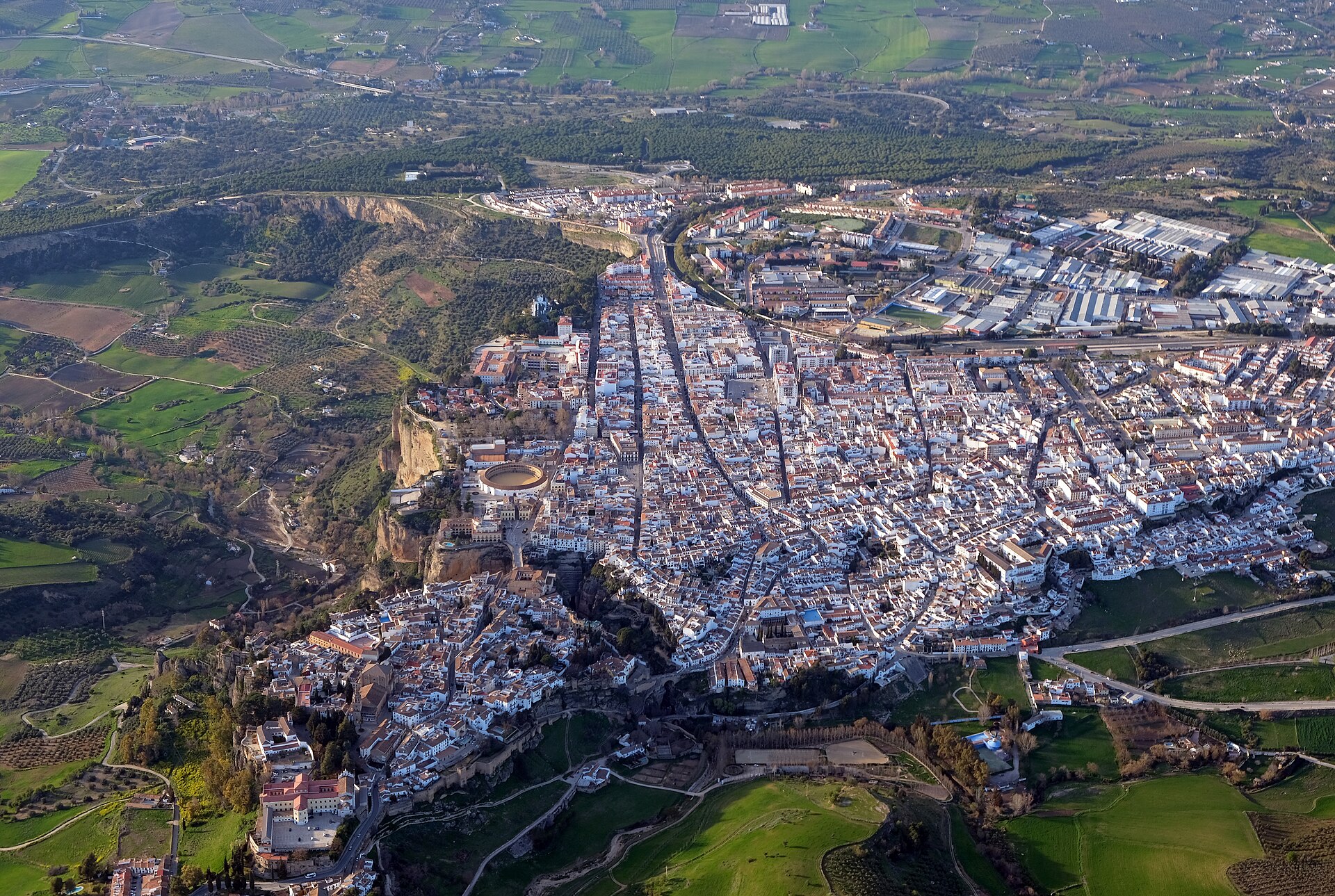
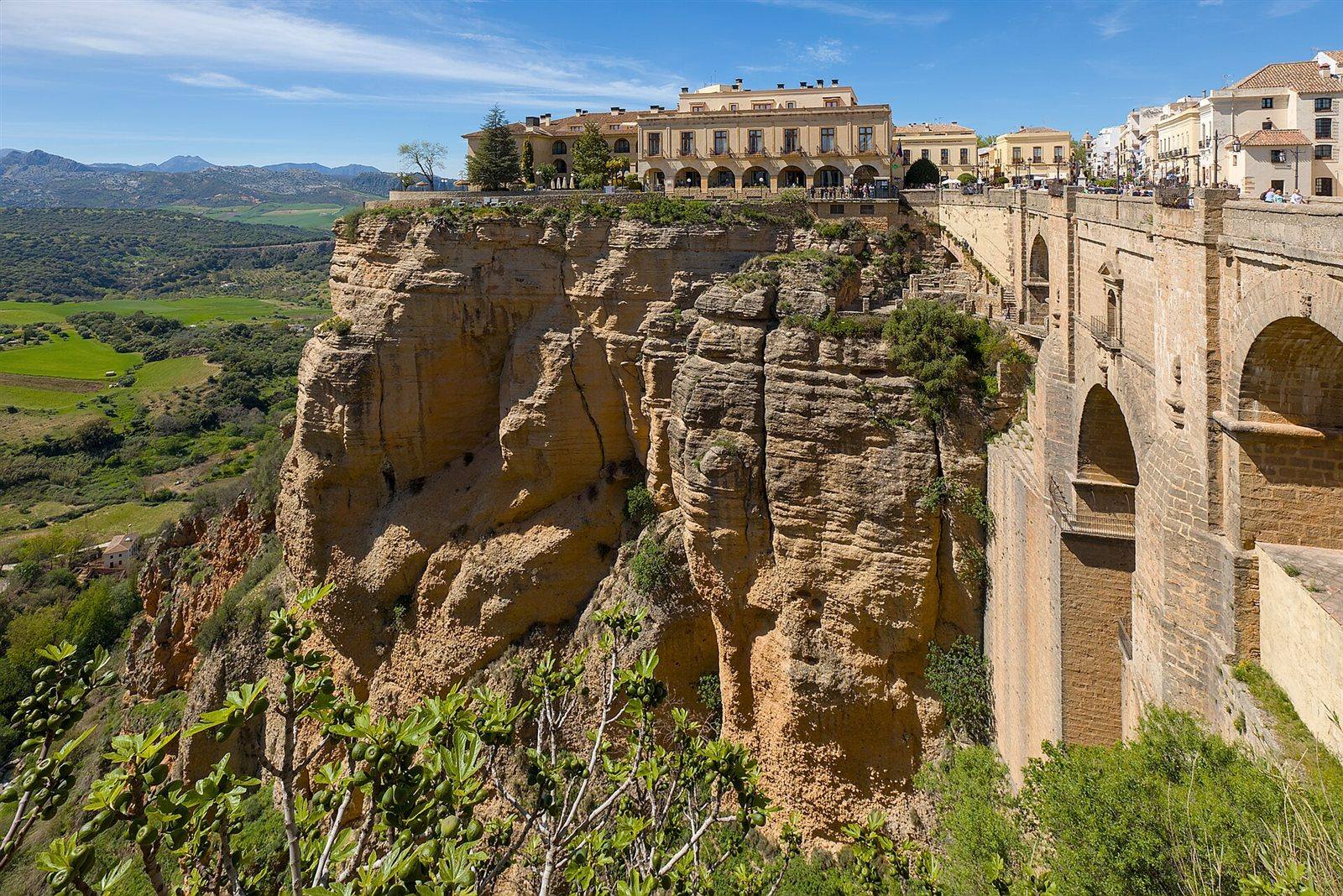
    Ronda technically isn't Costa del Sol — it sits about fifty kilometres inland, on a rocky plateau that ends 750 metres above sea level in a cliff. But it's the day trip everyone visiting Marbella or Estepona should make at least once. The town is cut in half by the Puente Nuevo, an 18th-century bridge that towers about a hundred metres above the Tajo gorge, and the view from the plaza before the bridge is one of those places you actually have to sit down for.

    Ronda became world-famous in the 1920s when Hemingway and later Orson Welles set up their writing desks here, and the town has carried that status with unflappable ease. The bullring is the oldest in Spain, the wine country around it produces small but serious bottles, and the old Moorish-Jewish quarter on the eastern edge has restaurants serving dishes that no longer exist in Marbella. We come here for a long lunch, not a quick photo.

    Puente Nuevo
    La Ciudad (Casco Antiguo)
    El Mercadillo
    San Francisco
    Barrio Judío

    Puente Nuevo at sunset · Spain's oldest bullring · Baños Árabes · Bodegas Descalzos Viejos · Tajo gorge walk

    Insider articles

    What we know about Ronda

    Ronda Day Trip: What Locals Don't Tell You About the White City on the Cliff
    Experiences
    Local tip
    Ronda
    26 May

    Ronda Day Trip: What Locals Don't Tell You About the White City on the Cliff

    Ronda is one of the top 5 visited spots from the Costa del Sol — and that's why 90% of what's written about it is the same story: Puente Nuevo, bullring, terrace with view. Here's what a day-trip veteran tells you about the spots in Ronda where you actually move the needle. Plaza de Toros — Skip the tour, head to the museum. The Plaza de Toros de Ronda is the oldest bullring in Spain (1785). The standard tour costs €9 and runs 30 minutes — but 80% of what they show you is the arena itself, which you already overlook from the top tier. What a local guide told us two years ago: head straight to the Museo Taurino in the same building. That has the actual historical pieces — Ernest Hemingway's letter to the Ordoñez family, Goya's commission for the Pedro Romero portrait, and the first bullfighting masks from 1785. That museum gets five minutes in the standard tour while it deserves thirty. Open: daily 10:00-18:00 (summer), 19:30 in July-August Price: €9 including museum and arena Tip: head to the museum first before 11:00 (groups arrive from then) Casa del Rey Moro — The Moorish water mine is the highlight, not the garden. Casa del Rey Moro sells tickets for 'palace + garden + water mine'. Skip the palace (empty rooms), the garden is OK, but the water mine is the genuinely spectacular bit: 187 stairs down into the Tajo gorge, through Moorish tunnels carved in the 14th century. The first time we came here our daughter was 7 and the combination of candlelight and silence was terrifying and magical. Allow 30 minutes for the descent plus return alone. Open: daily 10:00-19:00 Price: €10 for water-mine-only access (ask for it) Not for: small kids under 5, knee problems Shoes: sturdy, it's slippery Bodega Descalzos Viejos — Wine in a 16th-century chapel in the gorge. Of all 13 bodegas in Ronda, Bodega Descalzos Viejos is the only one literally in the gorge — in an abandoned Franciscan chapel from 1599 on the west side below the town. The wine tour runs 2 hours, costs €25, and ends with a tasting of five wines on the terrace overlooking the Tajo. We went for our 12th anniversary — the owner told us it took 12 years to convince Spanish heritage authorities that a chapel could be restored as a winery. Tours: daily 11:00 + 13:00 + 15:00 + 17:00 Reservation required via descalzosviejos.com Best bottle: Esencia Tinto 2021 (€32) Pedro Romero — Eat partridge, not oxtail. Restaurante Pedro Romero opposite the bullring has been Ronda's most historic taberna since 1947. What they don't tell you: their famous rabo de toro (oxtail stew) is still offered for €22 — but 9 of 10 portions are the mass-produced version made from beef. What you SHOULD order: the perdiz a la rondeña (partridge Ronda-style, €28). That's their specialty since 1947, locally caught, slow-cooked in Manzanilla wine and served with orange. When I ordered this two years ago, the waiter looked at me as if I'd passed an exam. Open: daily 13:00-16:00 and 20:00-23:00 Reservation required for lunch and dinner Wine: ask for the house (Tio Romero, 7-year barrel) — free with menu del día Mirador alternative — Skip the Puente Nuevo queue. The Puente Nuevo itself is iconic — that stays. But the standard photo spot (Plaza de España side) is jammed with tour buses 10:00-14:00 in July-August. Our counter-tip: walk 8 minutes to the Mirador de Aldehuela on the west side of Ronda — fewer people, better light angle after 16:00, and from here you can see the bodegas (including Descalzos Viejos) in the gorge. Free, no reservation. Location: Calle Aldehuela on the west side Best time: 16:00-18:00 (sun behind you, gorge in full light) Other alternative: Mirador El Tajo at Hotel La Maestranza Practical: route and planning from the coast. From Marbella: A-376 (90 min), from San Pedro Alcántara via A-369 (75 min, scenic) Bus: daily 09:00 from Marbella bus station (€8 one-way, Damas Bus) Parking: Plaza de Toros car park €1.50/hour, avoid street parking (usually full) Best months: April + May + September (summer is 40°C in the gorge) Time plan: leave 09:00 from coast → 11:00 in Ronda → bodega 13:00 → lunch 15:00 → mirador 16:30 → return 18:00 = full day

    Ronda FAQ

    What is Ronda known for?

    Ronda is known for its breathtaking gorge spanned by the Puente Nuevo bridge, one of Spain's oldest bullrings and a dramatic clifftop old town inland in the mountains. Our guide pulls together the places, restaurants, beach clubs and events worth your time, sorted by rating.

    How do you get to Ronda from Málaga airport?

    From Málaga airport, about 1 hour 30 by car (≈100 km) through the mountains; it's a popular full-day trip rather than a beach base. Pre-booked transfers are the most convenient with luggage or a group; public transport is the cheapest option.

    How many days do you need in Ronda?

    1 day (a classic day trip) is enough to see the highlights at a relaxed pace, longer if you want full beach days. Many visitors base themselves on the coast and explore neighbouring towns on day trips.

    When is the best time to visit Ronda?

    May–June and September–October are the sweet spot: warm sea, long sunny days and far fewer crowds than peak summer. July and August are hottest and busiest; winters stay mild and quiet, ideal for sightseeing and golf.

    Is Ronda good for families?

    Good for a day trip with older children — the gorge and bridge are spectacular, though it's a lot of walking and clifftop views.

    More in Ronda

    AI Assistant
    😊

    Costa Guide Assistant

    Ask me anything about Costa del Sol

    AI Assistant
    🎉

    Hi! How can I help you? Ask me about activities, restaurants or services.

    Log in to save your chat history