
ثقافة
فلامنكو وتاريخ مغاربي وفن معاصر والبلدات القديمة حيث بدأت كوستا ديل سول قبل وصول السياح بزمن طويل.
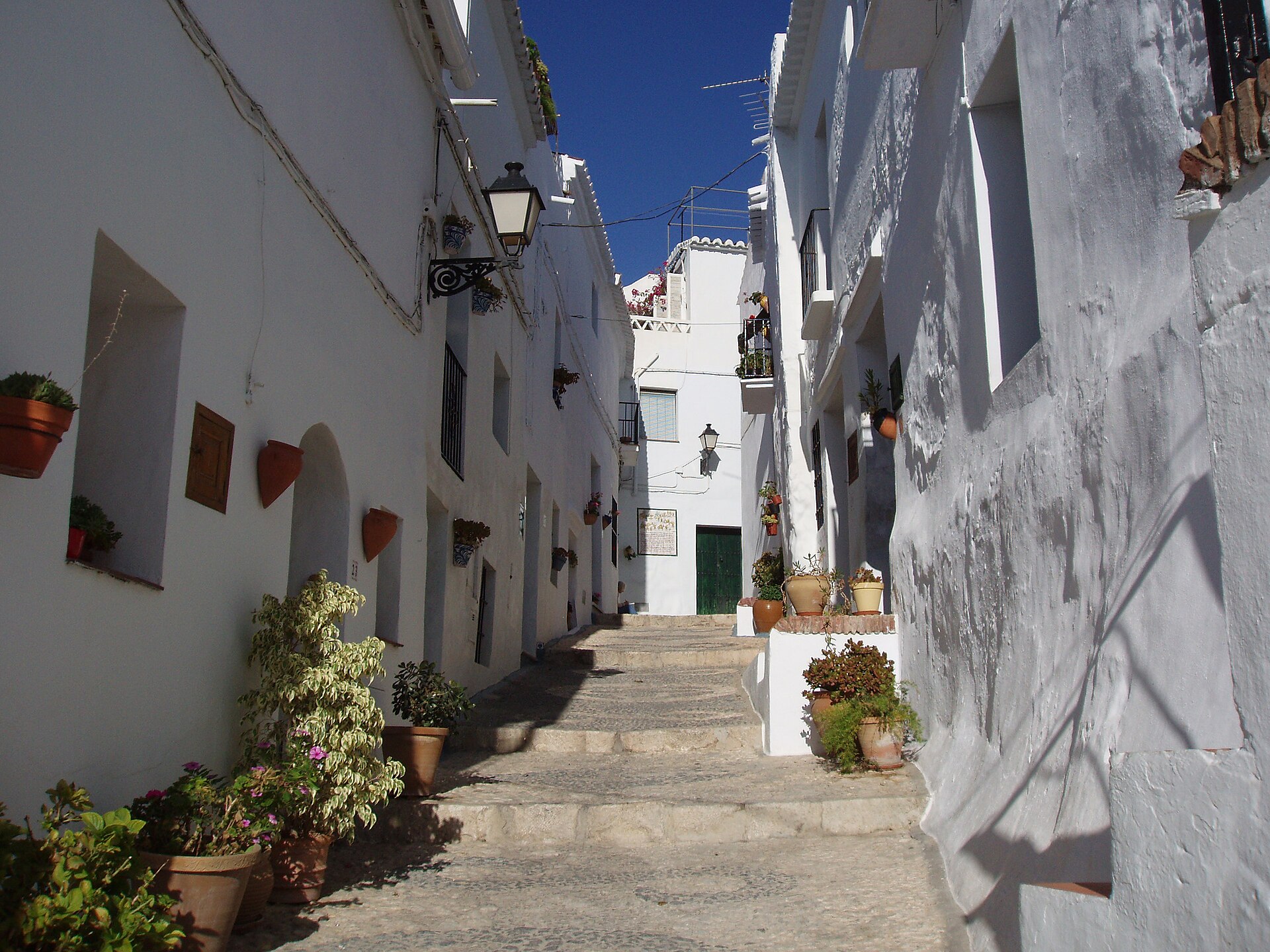
Frigiliana & Nerja: The Costa del Sol's Prettiest Corner
Ask anyone who's lived here a while where the Costa del Sol is still genuinely pretty — not the high-rise stretch, the real thing — and they'll point east, past Málaga, to where the Sierra de Almijara drops almost straight into the sea. That's Nerja, and 7km up the switchbacks behind it, Frigiliana. We do this pair as a single day trip a couple of times a season, and it's the one we send visiting friends to do first. Here's how to combine both properly, what's worth your time, and what's quietly a tourist trap. Start at the Balcón de Europa. Nerja's old town funnels everyone down to the Balcón de Europa, a palm-lined promenade built on the stump of a clifftop fortress. It juts out over the sea with a 180-degree view of coves and the mountains behind. It's genuinely beautiful and genuinely mobbed — there's a busker, a guy who'll draw your caricature, and at the very tip a bronze statue of King Alfonso XII that every tourist photographs. Get there before 11am or after 6pm. Midday in July it's shoulder-to-shoulder. The streets feeding into it — Calle Pintada, Calle Almirante Ferrándiz (locals still call it Calle Cristo) — are the prettiest, whitewashed and tiled, and where the better restaurants hide. Down the steps on either side are Nerja's town beaches: Playa Calahonda — tiny, sheltered, right under the Balcón. Charming but it fills by 10am. Playa Burriana — the big one, 800m of sand a 15-minute walk east, with proper chiringuitos. This is where you actually swim and eat. If you only swim once in Nerja, make it Burriana and have lunch at Ayo's, the paella place at the far end that's been cooking rice in giant pans over orange-wood fires since the 1960s. The all-you-can-eat paella is around €11 and the spectacle is half the point. The Nerja Caves — go, but manage expectations. The Cuevas de Nerja, 4km east of town, are a genuine natural wonder — vast caverns with one of the world's largest stalactite columns, lit theatrically. Tickets are about €15 (children cheaper), and you should book online for a timed slot in summer because the on-the-day queue is brutal. Honest take: it's impressive for 30–40 minutes, the walkways are well-made, and it's blessedly cool when it's 33°C outside. But it's a one-way loop, fairly quick, and the gift-shop-and-coach-park energy at the entrance is strong. If your day is tight, the caves are the thing I'd cut before the coves. Bus N-3 runs out here from the centre, or it's a €7–8 taxi. The Maro coves — the part most people miss. This is the secret that isn't really a secret anymore but still feels like one. East of the caves, around the hamlet of Maro, the Acantilados de Maro-Cerro Gordo cliffs hide a string of small, clear-water coves backed by a waterfall. Playa de Maro is the easiest — there's a dirt car park above and a steepish path down (10 minutes, wear real shoes, not flip-flops). The water is the clearest on this whole coast. In summer the access road to the cove gets restricted and you may have to park up top and walk, or use the seasonal shuttle. Kayak operators on Burriana run morning trips along these cliffs to the waterfall for around €30–35, which honestly is the best way to see them and skips the parking headache entirely. For more on where the good swimming is along the coast, our best beaches guide has the full list. Up to Frigiliana. Now drive (or bus) the 7km up. The M-345 bus from Nerja's bus stop on Avenida de Pescia runs roughly hourly, takes about 15 minutes and costs around €1.20. By car it's ten minutes of tight bends with a car park at the bottom of the village — don't try to drive into the old town, the streets are donkey-width and you will regret it. Frigiliana repeatedly wins "prettiest village in Andalucía" polls and you'll see why in about four steps. The Barribarto quarter — the old Moorish kasbah — is a vertical maze of dazzling-white houses, cobbled ramps, blue plant pots, bougainvillea spilling over everything, and ceramic plaques telling the (bloody) story of the 1569 Morisco rebellion. It's small. You can walk the whole historic core in 90 minutes including coffee stops, and that's the right amount of time. Things worth doing here: Buy a bottle of miel de caña (sugarcane molasses) from Nuestra Señora del Carmen, the last cane-honey mill of its kind in Europe, right in the village. Climb to the top for the viewpoint over the valley to the sea — the higher you go, the fewer people. Eat at a place with a terrace. El Mirador de Frigiliana and the little bars around Plaza de las Tres Culturas do honest Andalusian food; a plate of local goat, a glass of wine and the view is the whole experience. The downside: the lower main street is wall-to-wall souvenir shops selling the same fridge magnets, and a few "típico" restaurants on the through-road are overpriced and forgettable. Climb past them. The magic is in the upper lanes where nobody's selling you anything. Combining both in one day. The rhythm we use: Morning — arrive in Nerja by 9.30, walk the Balcón before the crowds, swim at Burriana. Lunch — paella at Ayo's or a long lunch on Calle Cristo. Early afternoon — either the caves (cool, indoors, good for the hottest hours) or a kayak to the Maro coves. Late afternoon — drive up to Frigiliana for golden hour, when the white walls turn warm and the day-trippers have left. Evening — dinner on a Frigiliana terrace, then the dark drive back down. That's a full, satisfying day. Don't try to add the caves and the coves and a long beach session — something will feel rushed. Best season. Late May, June, and September are the sweet spot: warm sea, long days, and Frigiliana's lanes not yet crammed. July and August are hot and very busy — go early and late, never midday. The Festival de las Tres Culturas in Frigiliana (usually late August) is wonderful but packs the village. April and October are lovely for walking but the sea is still bracing; our sea-temperature page tells you when it's actually swimmable. Practical tips. Getting there: From Málaga, the Avanza/ALSA bus to Nerja runs frequently from the bus station (~1 hour, around €5). By car it's the A-7 motorway, about 50 minutes. From the western resorts, see our Nerja page for routes — it's a solid 75–90 minutes from Marbella. Park smart: Use Nerja's underground car park near Plaza de España, and Frigiliana's lot at the foot of the village. Don't circle the old towns hunting for street parking. Book ahead: Cave tickets online in summer; kayak trips a day or two ahead. Restaurants generally don't need booking except August evenings in Frigiliana. Wear proper shoes for the cove paths and Frigiliana's cobbles. Bring water — the village climb is hot. Skip if short on time: the lower souvenir strip in Frigiliana and the day's third activity. Less, done well, beats a checklist. Do it right and this is the corner of the coast people remember long after the beach resorts blur together.
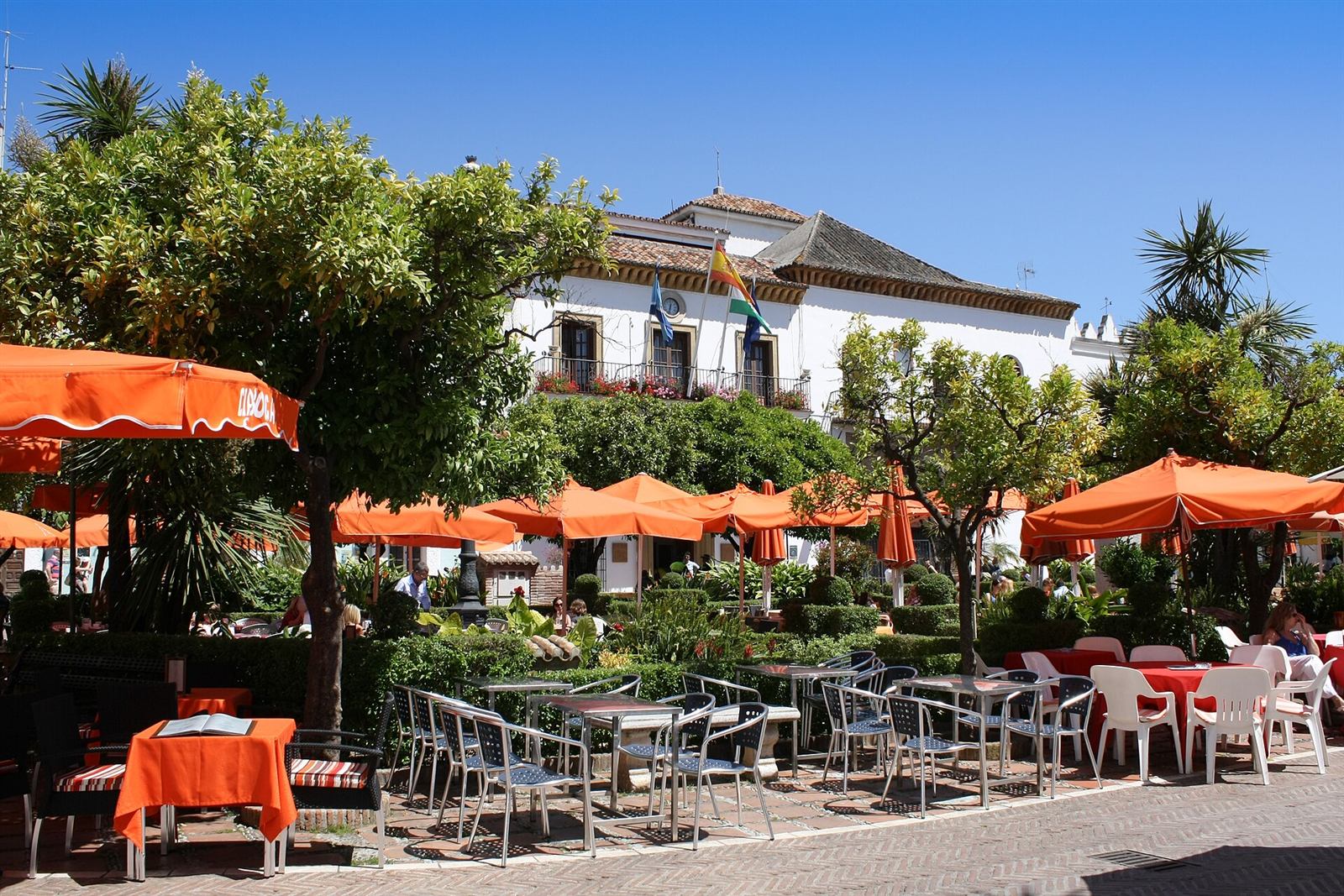
المدينة القديمة في مربيا: ما الذي ينتظركم خلف Plaza de los Naranjos
تحظى Plaza de los Naranjos بـ 95% من صور المدينة القديمة في مربيا على Instagram. ما الذي تفقدونه بالبقاء هناك: أربعة قرون من تاريخ الكنائس، ومطعم مأكولات بحرية يبيع الجمبري النيء منذ عام 1958، وأضيق شارع في الأندلس خارج إشبيلية. إليكم جولة casco antiguo مربيا التي يمشيها السكان المحليون. Plaza de los Naranjos — اعبروا منها، لا تجلسوا. تضم Plaza de los Naranjos 12 شجرة برتقال، ونافورة من القرن السادس عشر، ومبنى البلدية من عام 1568، وستة مطاعم بتراسات تتقاضى €8 للبيرة و€18 للبايلا في يوليو/أغسطس. تعالوا — التقطوا الصورة — وواصلوا المسير. نستخدم الساحة للتوجّه، لا كوجهة. من يريد أن يأكل هنا يفعل ذلك في يناير حين يستعيد السكان المحليون التراس. أفضل وقت: 09:00-10:30 (هادئ، قهوة خفيفة) مبنى البلدية (Ayuntamiento) متاح للنظر إليه مجاناً في الجهة الشرقية نصيحة: النافورة عليها نقش من عام 1504 لا يلاحظه أحد — انظروا إليه Iglesia de la Encarnación — جمال الباروك الأندلسي. على بُعد خمس دقائق سيراً من الساحة، في Calle de la Iglesia، تقف Iglesia de Nuestra Señora de la Encarnación — بُنيت بين 1505-1515 على أساسات مسجد، ثم أُعيد بناؤها عام 1748 بطراز باروك أندلسي كامل. الجداريات في الداخل تستحق 15 دقيقة من التأمل. ذهبنا إلى هنا في ديسمبر لقدّاس عيد الميلاد — مجاني، مفتوح للجميع، دون سياح. إنه أحد الأماكن القليلة في مربيا حيث تقفون فعلاً في المدينة التي كانت قبل طفرة السياحة. مفتوح: يومياً 09:30-13:00 و18:00-20:30، مجاناً نصيحة: مساء الجمعة يقام بانتظام عزف على الأرغن لا تفوّتوا: المذبح الفضي من عام 1788 (الجناح الأيسر) Calle Aduar والشوارع الجانبية — أصالة الأزقة البيضاء الضيقة. من الساحة امشوا شمالاً على طول Calle Aduar — أضيق شارع في Marbella Casco Antiguo (بعرض 1.8 متر في بعض المواضع). هنا تجدون الجدران البيضاء بأزهار الجهنمية الفوشية والحمراء التي تظهر على كل بطاقة بريدية — دون زحام الساحة. واصلوا إلى Calle Buitrago، ثم Calle Remedios، ثم العودة عبر Calle de los Caballeros. نقوم بهذه الجولة كل صباح جمعة في مايو — ساعة، دون خطة، فقط جدران من القرن السادس عشر. أفضل وقت: قبل 11:00 أو بعد 18:00 لا تفوّتوا: اللوحة على Calle Buitrago 12 (مسقط رأس قسّ من القرن السابع عشر) نصيحة: انظروا إلى الأعلى — كثير من المنازل لها بلاطات هندسية مدجّنة على العتبات Restaurante Altamirano — مطعم مأكولات بحرية منذ 1958. Altamirano في Plaza Altamirano (على بُعد 200 متر من Plaza de los Naranjos) مفتوح منذ عام 1958، يقدّم pescaíto والمحار والسمك المشوي على تراس مظلّل يتسع لـ 60 شخصاً. نأتي إلى هنا منذ عام 2018، خمس مرات على الأقل سنوياً — لا شيء يتغير. اطلبوا gambas blancas (€16 للحصة)، وchocos a la plancha (€14)، وقنينة Verdejo Rueda (€18). توقعوا €35-45 للشخص شاملاً المشروبات — وهو سعر طبيعي لـ Marbella Casco Antiguo. مفتوح: يومياً 13:00-16:00 و20:00-23:30 الحجز نعم، +34 952 824 932 — الغداء عادةً متاح، المساء احجزوا مسبقاً نصيحة: اطلبوا الطاولة 14، طاولة الزاوية بإطلالة على الساحة بأكملها Ermita de Santiago — كنيسة القرن الخامس عشر المخبأة في الأسوار. Ermita de Santiago هي أقدم بناء ديني في مربيا بأكملها — كنيسة صغيرة من القرن الخامس عشر بُنيت مباشرة بعد الاسترداد المسيحي عام 1485. تختبئ في Calle Carmen، ولا تفتح إلا في المناسبات الخاصة. رأينا داخلها مرتين (جنازة، ذكرى قديس محلي) — داخل قوطي بمساحة 6×4 متر، حميمي إلى حد أنك تهمس فيه. من الخارج: العتب المدجّن مع شعار النبالة الملكي الإسباني يستحق التفافة الطريق وحده. مفتوح: نادراً، عادةً فقط خلال الأعياد المحلية الخارج: متاح للمشاهدة مجاناً، 24/7 نصيحة: اسألوا في Iglesia de la Encarnación عن موعد الفتح القادم مسار سير عملي عبر المدينة القديمة. البداية: Plaza de la Iglesia (اركنوا في Recinto Ferial في الأسفل) الجولة الموصى بها: Iglesia ← Calle Carmen (Ermita) ← Plaza Altamirano (غداء) ← Plaza Naranjos ← Calle Aduar ← Calle Buitrago ← العودة عبر Calle Remedios الوقت: 2-3 ساعات شاملاً الغداء أفضل الأشهر: مايو + يونيو + أكتوبر (معتدلة) نصيحة: اجمعوها مع Avenida del Mar (حديقة منحوتات دالي) — 10 دقائق سيراً من الوسط إلى البحر --- الصور: Mark Gilbert (CC BY-SA 3.0)، Zarateman (CC0)، عبر Wikimedia Commons؛ مساهمو Google Maps.
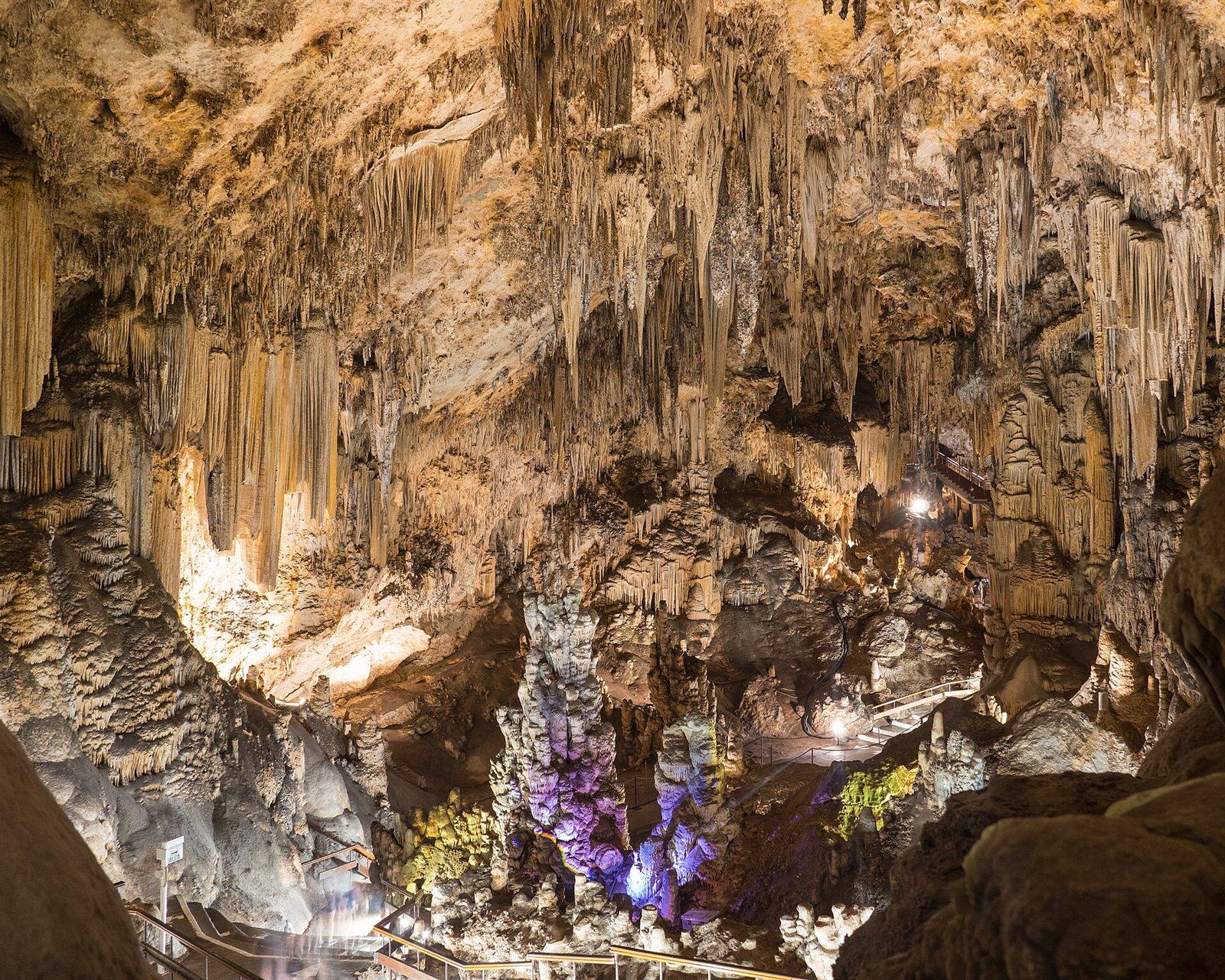
نيرخا والكهوف: أكثر من فخّ سياحي إذا أحسنت توقيت الزيارة
تتصدّر Cuevas de Nerja كل قائمة من قوائم أفضل 10 معالم يجب رؤيتها في كوستا ديل سول — وهذا بالضبط ما يجعلها أحد أفضل 10 فخاخ سياحية. لكن إذا كنت في الداخل قبل الساعة 11:00، وخطّطت ليومك حولها، وتناولت الطعام في الأماكن الصحيحة، فستبقى واحدة من أكثر الرحلات اليومية إثارةً انطلاقًا من الساحل. إليك نسخة السكان المحليين. Cuevas de Nerja — الحيلة في التوقيت، لا في الجولة. اكتُشفت Cuevas de Nerja عام 1959 على يد خمسة صبية كانوا يبحثون عن الخفافيش. تضمّ الكهوف رسومًا من العصر الحجري القديم (بعضها عمره 42,000 عام — لا يزال علماء الآثار يجادلون بأنها قد تكون الأقدم في العالم)، وأكبر صاعد كلسي (stalagmite) في العالم (32م)، وقاعة مدرّج طبيعي تستضيف مهرجان Festival Internacional Cueva de Nerja في يوليو/أغسطس. ذهبنا في أكتوبر الماضي الساعة 10:00 — خمس عشرة دقيقة انتظار، حافلتا سياحة أمامنا؛ وبحلول الساعة 11:30 كانت ثلاث حافلات أخرى قد وصلت. هذا هو الفرق. مفتوحة: 09:00-19:00 (يونيو-سبتمبر)، 09:00-16:30 (غير ذلك) السعر: €15 للبالغين، €13 للطفل 6-12 سنة نصيحة: اشترِ التذكرة عبر الإنترنت في المساء السابق، واصل الساعة 09:45 تخطَّ الجولة: اختر الدليل الصوتي (€3 إضافية)، لا الجولة المباشرة Balcón de Europa — الإطلالة ومركز نيرخا. بعد الكهوف اقطع 5 دقائق بالسيارة إلى مركز نيرخا واركن في Parking del Balcón. Balcón de Europa هو ممشى الإطلالة الأيقوني مع نخيل ودرابزين رخامي أبيض وإطلالات على Sierra Almijara — مجاني، بلا انتظار. نتوجّه دائمًا مباشرةً إلى أقصى الجانب الشرقي (يبقى معظم الحشد في الجانب الغربي) — من هناك ترى الشاطئين معًا والمصوّر تكون الشمس خلفه. أفضل وقت: 11:30-12:30 أو بعد الساعة 17:00 القهوة: Café Rubens على الـBalcón يقدّم إسبريسو جادًّا (€2) نصيحة: واصل المشي إلى Calle Carabeo لمطاعم التراس ذات الإطلالة الحقيقية Playa de Burriana وChiringuito Ayo — paella على الرمل. Playa de Burriana هو الشاطئ الرئيسي في نيرخا — 800م من الرمل، ومياه صافية، وفي طرفه الشرقي: Chiringuito Ayo، الذي يقدّم paella بلا حدود مقابل €13 للشخص في الغداء. طبخ Ayo García (المؤسّس) المقلاة بنفسه كل يوم لمدة 50 عامًا — توفّي في 2023، ويديره ابنه الآن، والجودة هي نفسها تمامًا. نأتي إلى هنا مرة واحدة على الأقل كل عطلة — نصل الساعة 13:15 (أول paella جاهزة 13:30). مفتوح: يوميًا 12:00-22:00 (أبريل-أكتوبر) عرض الـpaella: كُل ما تشتهي €13 للشخص، يوميًا 13:30-15:30 نصيحة: اطلب قشرة الأرز في قاع المقلاة الثانية (socarrat) مواقف السيارات: مجانية على طول الكورنيش، ممتلئة من الساعة 12:00 Frigiliana — البلدة البيضاء على بُعد 10 دقائق من نيرخا. ينسى كثير من الناس أن لنيرخا بلدة لرحلة جانبية: Frigiliana، على بُعد 7 كم في الداخل. قرية بيضاء بالكامل على سفح جبل، أزقّة ضيّقة بأصص الزهور، وأجمل حيّ مغربي قديم في كامل كوستا ديل سول. نركن عند الحافة الخارجية ونصعد مشيًا — ساعة تكفي للمركز. صباح الأربعاء يقام السوق على الطريق حيث يُباع عسل Frigiliana (مهرجان العسل في أواخر أبريل/أوائل مايو مشهور). مجانية الزيارة أفضل وقت: قبل الساعة 11:00 أو بعد الساعة 17:00 (منتصف النهار حارّ) الطعام: Bar El Mirador للغداء، El Adarve لعشاء أكثر اكتمالًا العسل: اشترِ من La Casa del Apicultor في المركز تناول الطعام في نيرخا القديمة — لا في الـBalcón. المطاعم الواقعة مباشرةً على Balcón de Europa معظمها بأسعار سياحية — €18 مقابل paella بجودة المجمّدات. امشِ شارعًا واحدًا شمالًا (Calle Pintada) فتجد Bar Patanegra (قائمة menú del día بـ€12 مع jamón ibérico) أو El Pulguilla للتاباس (€2-4 للقطعة، تاباس مجانية مع كل مشروب). نأكل هنا دائمًا بعد الكهوف — ذلك الفرق بين الشريط السياحي وشريط السكان المحليين هو بالضبط شارع واحد. Bar Patanegra: Calle Pintada 9, يوميًا 12:00-15:30 و19:00-23:00 El Pulguilla: Calle Almirante Ferrándiz 26, يوميًا عدا الإثنين نصيحة: في El Pulguilla تحصل على تاباس مجانية واحدة لكل مشروب — ثلاث جعّات هي غداء كامل معلومات عملية: الطريق من مربيا. بالسيارة: A-7 شرقًا، 90-110 دقيقة (مربيا ← نيرخا، نحو 120 كم) بالحافلة: ALSA مباشرةً مربيا ← نيرخا، ساعتان، €14 للاتجاه الواحد أفضل الأشهر: مايو + يونيو + سبتمبر + أكتوبر (الصيف = 35°م+ في الكهوف والبلدة) خطة الوقت: المغادرة 08:30 ← الكهوف 10:00 ← الـBalcón 11:30 ← paella Burriana 13:30 ← Frigiliana 16:00 ← العودة 19:00 = يوم كامل الجمع مع Caminito del Rey غير ممكن كرحلة يومية واحدة — اختر واحدًا لكل يوم --- الصور: Fernando (CC BY-SA 4.0)، عبر Wikimedia Commons؛ مساهمو Google Maps.
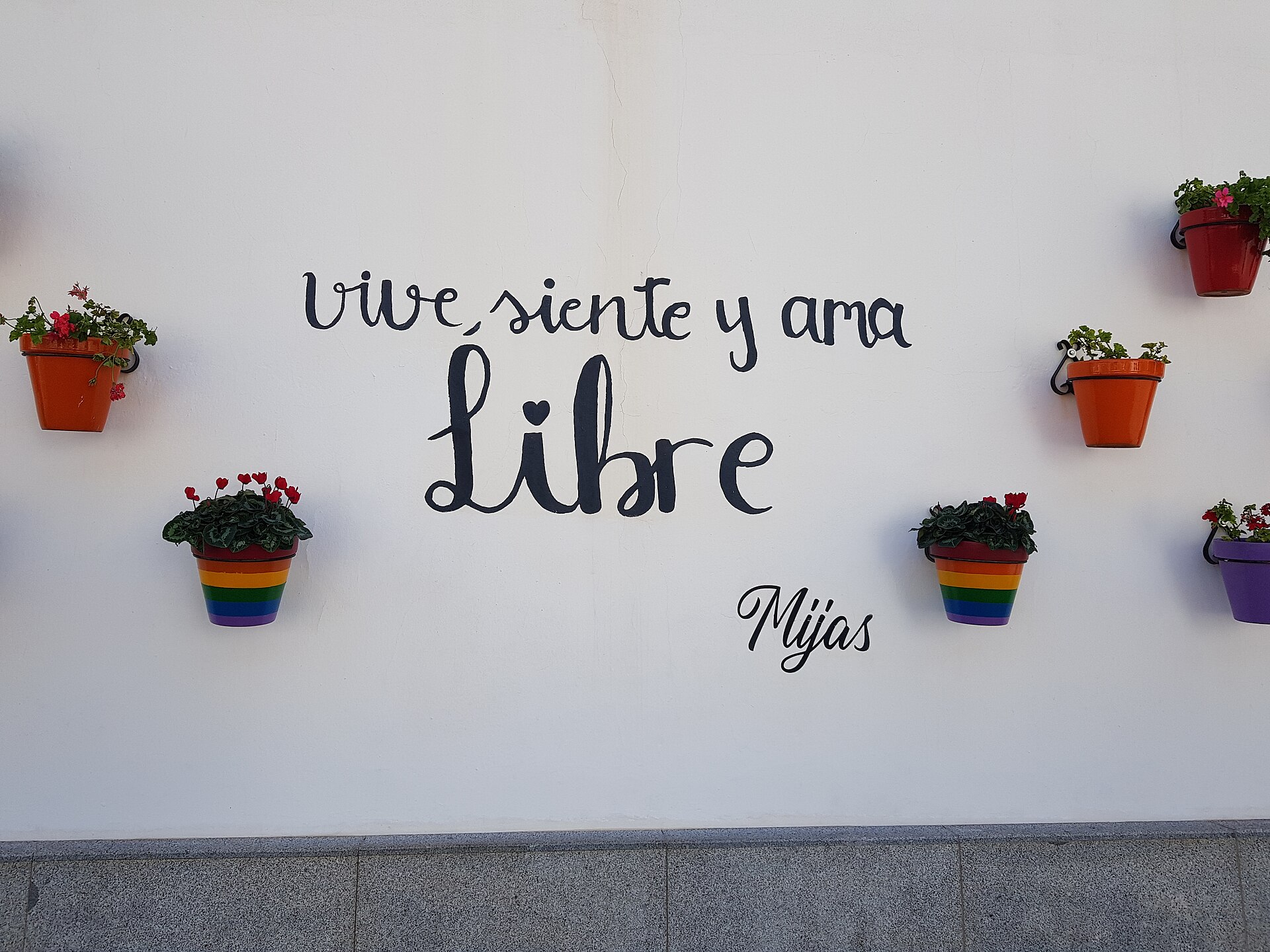
Mijas Pueblo: The White Village Above the Costa del Sol
Most people on the Costa del Sol never get further than the beach bars of Fuengirola or Torremolinos, which is exactly why the smartest afternoon you can plan is the 30-minute drive up into the hills to Mijas Pueblo. It's the postcard "white village" everyone pictures when they imagine Andalucía — geranium pots, lime-washed walls, donkeys in the square — except it's a real working pueblo, not a film set. We send every visiting friend up here, and here's how to do it without falling into the obvious traps. Why bother leaving the coast. The resort strip below is fine for a swim and a beer, but it's flat, busy, and looks like a hundred other places. Mijas Pueblo sits at roughly 430 metres, clinging to the side of the Sierra de Mijas, and the temperature drops a noticeable few degrees as you climb — a genuine relief in July and August. On a clear day you can see the whole bay from Fuengirola round to Gibraltar and, when the haze lifts, the Rif mountains of Morocco across the water. What makes it worth the trip is the contrast. Down on the coast everything is built in the last 50 years. Up here the lanes are too narrow for two cars, the houses are whitewashed twice a year by hand, and within ten minutes of parking you've swapped sunbeds for a proper Andalusian hill town. For an afternoon, it genuinely beats the Costa del Sol resort strip. The viewpoints (start here). The single best thing to do is just walk the perimeter for the views. Three spots are worth aiming for: Mirador del Compás — the terrace beside the bullring at the top of the village. Free, open, and the classic panorama of the coast laid out below. The Muralla / Jardines de la Muralla — landscaped gardens along the old town wall on the Fuengirola-facing side, full of cascading plants and benches. Quiet in the late afternoon. Plaza de la Constitución — the main square, framed by the rock face and a good orientation point before you wander. The whole historic core is small — you can loop it in 30–40 minutes at a stroll — so don't over-plan. Half the pleasure is getting briefly lost in lanes like Calle San Sebastián, probably the most photographed street in the village, a cobbled alley of white walls and blue flowerpots. The donkey-taxi debate — what we tell people. You can't write honestly about Mijas without the burro-taxi. Since the 1960s, donkeys have ferried tourists around the village, and the painted carts and saddled donkeys still wait near the entrance off Avenida del Compás. A short ride runs around €10–15, a cart for a few people more. Here's the honest take: it's the village's most famous "thing" and also its most uncomfortable one. The animals stand in the heat for long hours, and welfare campaigners have pushed hard against it for years. The town has added shade, water and rest rules, but plenty of locals and regular visitors simply won't use it any more, and we don't either. Photograph the donkeys if you like, give them a wide berth in the midday sun, and walk the village on your own feet — it's tiny, and you'll see far more. If you want to support animals, the small donkey sanctuary projects in the wider area are a better place to put your money. Chapels, the bullring and the small museums. For its size, Mijas packs in a surprising number of little sights, almost all free or a euro or two: Ermita de la Virgen de la Peña — a tiny chapel carved straight into the rock by a Carmelite monk in the 1680s, just off the gardens. Cool, dim and genuinely atmospheric; it's the village's patron shrine. Iglesia de la Inmaculada Concepción — the main parish church, with a Mudéjar tower built over an old minaret. Climb up for another view. Plaza de Toros — the small oval (not rectangular) bullring from 1900, one of the most unusual in Spain. There's a modest museum; you can usually look in for a couple of euros even when nothing's on. CAC Mijas — a free contemporary art centre with a clutch of minor Picasso and Dalí ceramics. Small, but a nice air-conditioned 20 minutes. None of these need more than 15 minutes each, which is the point — graze, don't grind. Eating and drinking (and what to skip). The square and the main approach lanes are wall-to-wall tourist menús del día with laminated photos — fine in a pinch, but not why you came. Walk two streets back from the main drag and prices drop and quality rises. For a coffee or a caña with the coast spread out below you, the terrace cafés along the Muralla are hard to beat — you pay a small view premium, worth it once. For an actual meal, look for the places up the hill where you hear Spanish being spoken: simple plates of espetos aren't really a hill-town thing (those belong down on the best beaches), so up here go for grilled meats, croquetas, and local Mijas wine. Skip the first three restaurants you see on the way in from the car park; they exist purely on passing footfall. A sweet tip: there are a couple of old-school bakeries doing tortas and almond pastries — buy some to eat on a bench in the gardens rather than sitting down somewhere with a cover charge. Getting there and parking. By car from the coast it's genuinely about 25–30 minutes from Fuengirola, slightly more from Marbella or Málaga, up a well-signed but winding road. Do not try to drive into the old village — the lanes are barely car-width and you'll regret it. Park in the large underground car park at Plaza Virgen de la Peña right at the village entrance; it's cheap (a couple of euros an hour) and drops you 30 seconds from the gardens. No car? The M-122 bus run by Avanza connects Fuengirola bus station to Mijas Pueblo roughly hourly, takes about 25–30 minutes and costs only a few euros each way. From Fuengirola you can reach the coast on the C-1 Cercanías train from Málaga (and the airport), so the whole thing is doable on public transport in an afternoon. Practical tips. When to go: Late afternoon is ideal — softer light for the views, cooler lanes, and you can stay for sunset over the bay. Mornings before the coach tours arrive (they roll in around 11am) are the other sweet spot. Avoid the 12–3pm peak in summer. How long: Two to three hours is plenty for the core. Half a day if you linger over lunch. Crowds: It is undeniably touristy — that's the trade-off for being this pretty and this close to the coast. Visiting off-peak hours fixes most of it. Combine it: Pair Mijas Pueblo with a swim back down in Fuengirola, or make it part of a hill-town loop with Ronda further inland. Wear: Proper shoes — the cobbles are steep and slick. Bring a layer for the evening; it's cooler up here than on the sand. What to book: Nothing, really. This is a walk-up afternoon. Check the events calendar though — village fiestas like the September romería transform the place. Go for the views, skip the donkey ride, eat two streets back from the square, and you'll understand why Mijas Pueblo is the one inland trip even die-hard beach people don't regret.
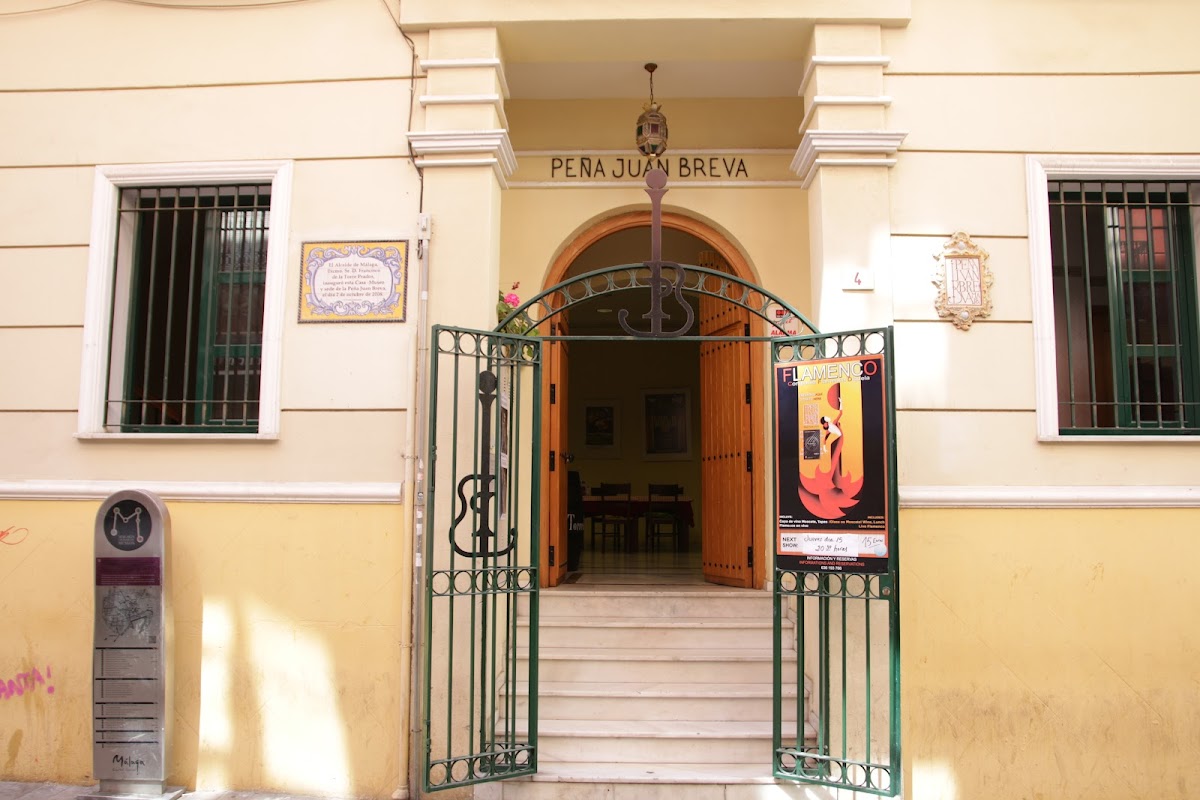
الفلامنكو في مالقة: العرض الحقيقي مقابل العرض السياحي
عرض الفلامنكو الجيد ليس عرضاً — إنه غرفة يندمج فيها عازف الجيتار والراقصة والمغني معاً في شيء واحد، وإما أن تشعر به أو لا تشعر. مالقة ليست إشبيلية وليست خيريث. لكن للمدينة مشهد فلامنكو واسع بشكل مفاجئ: من ليالي الجمعة المجانية في أقدم peña في إسبانيا، وصولاً إلى عروض الـ tablao المصقولة لركاب السفن السياحية. إليك كيف تميّز بينها — وأيها يناسبك. Peña Juan Breva — أقدم peña في إسبانيا. تأسست عام 1958، وتقع في زقاق جانبي بعيداً عن Calle Beatas، وتُعدّ Peña Juan Breva أقدم peña لا تزال تعمل في إسبانيا. يضمّ الطابق الأرضي متحفاً صغيراً يحتوي على أكثر من 5,000 أرشيف صوتي و2,500 قرص مدمج و20 جيتاراً — بعضها يزيد عمره عن قرنين. في الطابق السفلي يوجد tablao يستضيف حفلاً موسيقياً ليلة الجمعة الساعة 8 مساءً. الدخول مجاني. الجمهور محلي، والفنانون مزيج من الهواة والمحترفين، وبين الفقرات يتوقفون للدردشة مع الحضور. هذا هو الفلامنكو كما يجب أن يكون: صغير، صادق، وبين الحين والآخر، رائع إلى حدّ يُدوّخ. العروض: الجمعة الساعة 8 مساءً (أحياناً الخميس أو السبت — اتصل مسبقاً) المتحف: الإثنين–السبت 10 صباحاً–2 ظهراً، تبرّع €3 Calle Ramón Franquelo 4، وسط مالقة هاتف: (+34) 952 22 13 80 أو (+34) 687 607 526 Teatro Cervantes — حين يمرّ كبار الأسماء. في كل أبريل يقيم Teatro Cervantes مهرجانه الخاص Flamenco Serás Tú، الذي يضمّ فنانين على المستوى الوطني لا تراهم عادةً إلا في خيريث أو إشبيلية. أما بقية العام، فتظهر حفلات الفلامنكو بانتظام في البرنامج. الديكور الداخلي وحده — ثلاث طبقات، وسقف مرسوم من عام 1870، وضوء ذهبي دافئ — يجعل الأمسية مناسبة تستحقّ التأنّق لها. الصوتيات جيدة بما يكفي لتسمع نقرات قدم الراقصة من الشرفة العليا. التذاكر من €12، والعروض الرئيسية تصل إلى €40 اطّلع على البرنامج على teatrocervantes.com Calle Ramos Marín، على بُعد دقيقتي سير من Plaza de la Merced احجز مبكراً جداً لـ Flamenco Serás Tú Kelipé Centro de Arte Flamenco — حميمي وجادّ. خلف سوق Atarazanas يقع Kelipé — مدرسة فلامنكو تقدّم العروض أيضاً. ولأنها مدرسة، فإن المستوى مرتفع باستمرار: يحلّ فنانون ضيوف زائرون ليؤدّوا أمام الطلاب. الغرفة صغيرة (حوالي 40 مقعداً)، ما يعني أنك على بُعد ثلاثة أمتار حرفياً من الراقصة. العرض اسمه Flamenco De Ley ويستمر نحو ساعة. وإذا أردت أن تفهمه حقاً: احجز ورشة عمل أيضاً — أمسية بين الطلاب ستعلّمك عن الـ duende أكثر من عشرة عروض. العروض الأربعاء–الأحد الساعة 8 مساءً التذاكر من €28 شاملة مشروباً واحداً Calle Muro de Puerta Nueva 10 الورش بموعد مسبق عبر kelipe.net Alegría Flamenco y Gastronomía — الـ tablao المُنفَّذ ببراعة. بالقرب من الميناء، على بُعد دقيقتين من مركز Pompidou، يُعدّ Alegría الخيار الأسهل وصولاً — وفي الوقت نفسه أفضل tablao سياحي مُنفَّذ في المدينة. عدة عروض في اليوم، عادةً أربعة فنانين على المسرح (راقصة، مغنٍّ، عازف جيتار، إيقاع)، مع خيار العشاء على الشرفة قبل العرض. لا يدّعي أنه الشيء الأصيل، لكنه عرض مُؤدّى بسلاسة. مثالي إذا كنت مع العائلة أو مجموعة وتريد أول تذوّق للفلامنكو دون التعامل مع أوقات غريبة أو حجوزات هاتفية. العروض يومياً الساعة 5:30 مساءً و8:45 مساءً و10:30 مساءً التذاكر من €28، العشاء يُحجز بشكل منفصل Calle Vélez Málaga 6، Málaga-Este العرض المبكّر يميل إلى أن يكون أقلّ ازدحاماً كيف تختار. أول مرة تشاهد فيها الفلامنكو ولديك ليلة واحدة فقط في المدينة؟ Alegría أو Kelipé — عرض جيد مضمون. زرت tablao من قبل وتريد شيئاً حقيقياً؟ Peña Juan Breva ليلة الجمعة. احضر مبكراً — الغرفة صغيرة. أنت من المعجبين واسم كبير على البرنامج؟ Teatro Cervantes، مقاعد الصالة أو الطبقة الأولى. لديك أمسية كاملة ومعدة فضولية؟ Vino Mio أو Los Amayas — عشاء مع عرض، أقلّ حدّة لكن أكثر اجتماعية. Duende — ما الذي تنصت إليه. الفلامنكو لا يعتمد على الكوريغرافيا. عازف الجيتار والمغني والراقصة يصغون إلى بعضهم، يتسارعون، يتمهّلون، يتجاوبون. اللحظة التي يندمج فيها الثلاثة جميعاً في الإيقاع نفسه تُسمّى duende — حرفياً 'الروح' — وعندها يبدأ الجمهور بالصياح 'Olé!'، حتى حين لا يحدث شيء واضح. إذا لم تشعر به في عرض من قبل: اذهب إلى Peña Juan Breva. اذهب أربع مرات إن لزم الأمر.
أسئلة شائعة حول ثقافة
أين أشاهد فلامنكو حقيقيًا بدلًا من عروض السيّاح؟+
في مالقة: Peña Juan Breva، وهي جمعية فلامنكو تقليدية في البلدة القديمة — مساء كل خميس من التاسعة مساءً، مجانًا للأعضاء ورسم رمزي للزوار. في مربيا: Ana María على Paseo Marítimo لعروض العشاء. تجنّب العروض التي تكتظ بحافلات المجموعات السياحية — فهي للصورة لا للموسيقى.
هل قصر الحمراء في غرناطة قابل للزيارة في رحلة يوم واحد من مربيا؟+
نعم، لكن الوقت ضيّق. القيادة تستغرق ساعة ونصف، وتحتاج ثلاث ساعات على الأقل داخل قصر الحمراء. احجز التذاكر قبل شهر على الأقل — لم تعد تُباع عند البوابة. انطلق قبل الثامنة صباحًا واترك وقتًا لحي البيازين (Albaicín) وغداء في Plaza Larga.
ماذا يمكنني أن أرى في مالقة في يوم واحد؟+
ابدأ من سوق Mercado de Atarazanas (إفطار + تسوّق)، ثم انزل شارع Calle Larios نحو الكاتدرائية. متحف بيكاسو يحتاج ساعتين على الأقل. تناول الغداء في El Pimpi. ثم اصعد إلى قلعة Alcazaba والمسرح الروماني. مساءً: Muelle Uno عند الغروب. خصّص أربع ساعات للمتاحف وحدها.