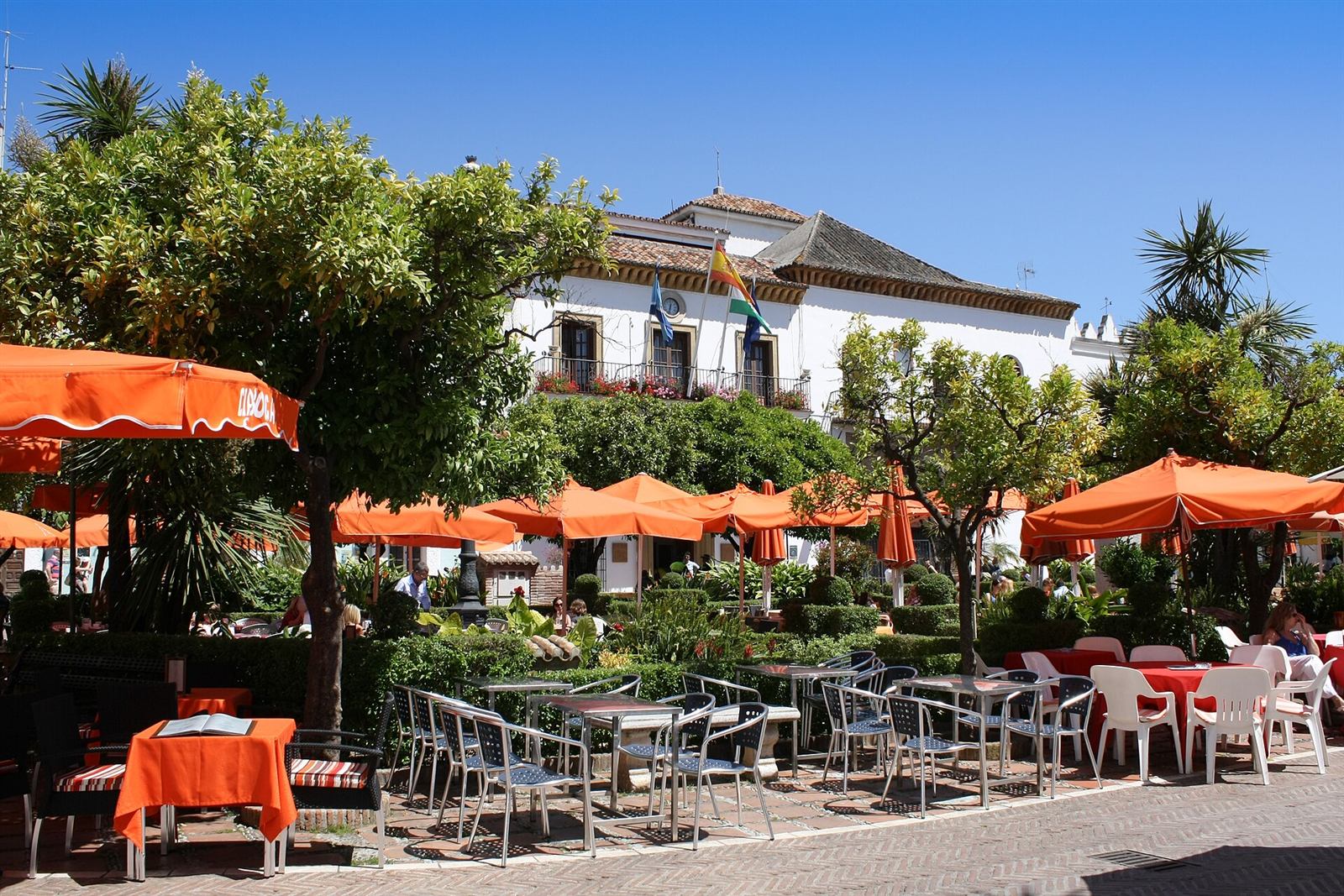
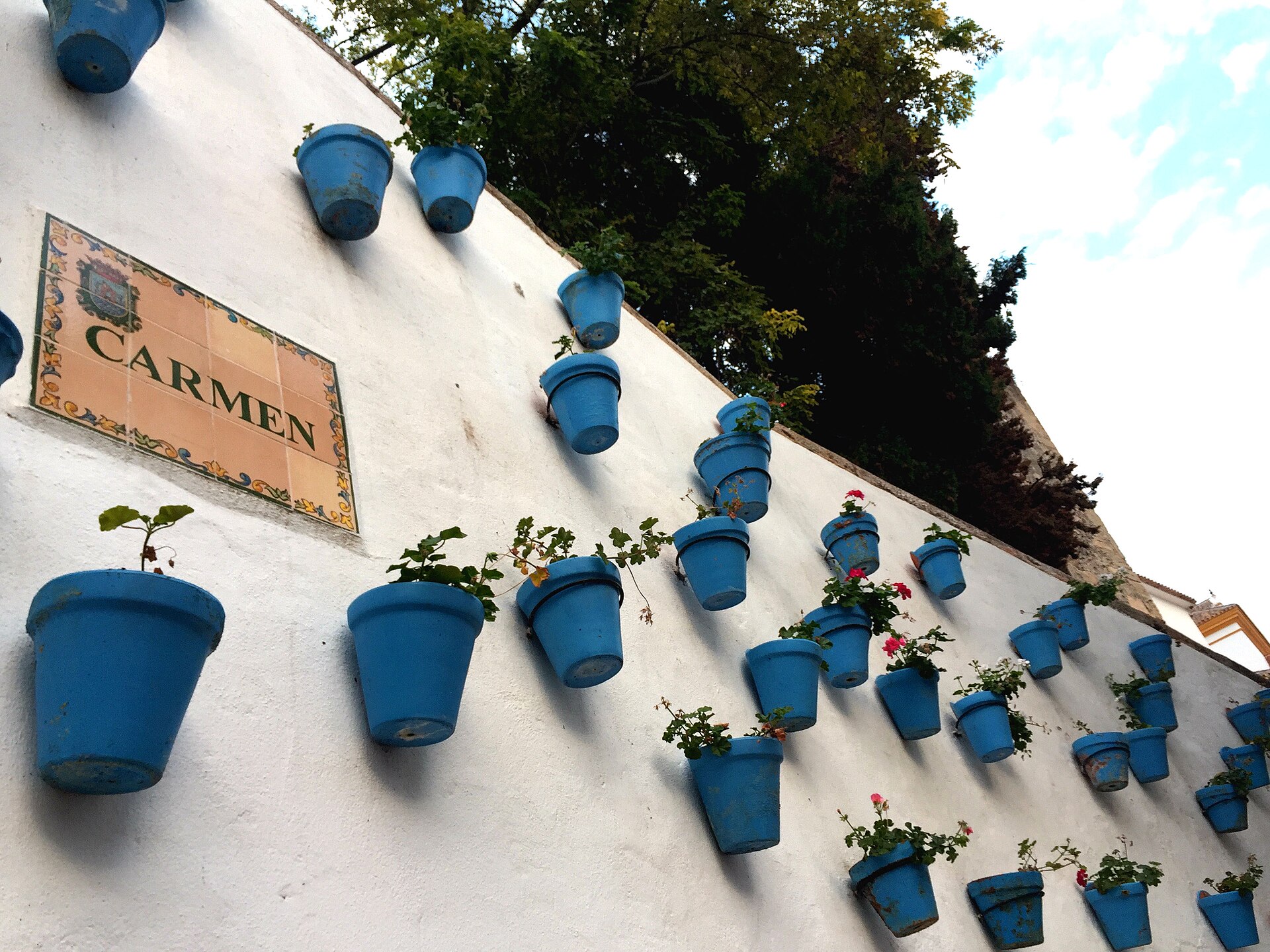
Where to Stay in Marbella: A Local Neighbourhood Guide The hardest part of booking Marbella isn't the hotel — it's the neighbourhood. The town sprawls over roughly 27km of coast, and the booking sites lump it all together and sort by price, which tells you nothing about whether you'll be strolling to tapas in five minutes or stuck waiting for the 7:30pm L-513 bus with no taxi in sight. We live on this stretch of coast and get this question constantly: "but where do I actually book?" Here's the honest version, area by area, sorted by the trip you're taking rather than the star rating. Casco Antiguo — the old town, for first-timers and couples. If it's your first trip and you want to feel like you're in Spain rather than in a resort, book inside or right beside the Casco Antiguo. This is the whitewashed warren around Plaza de los Naranjos (Orange Square), all geranium pots, narrow lanes like Calle Ancha and Calle Aduar, and family-run places where dinner doesn't start before 9pm. Everything here is on foot. The beach (Playa de la Fontanilla / Playa de Venus) is a 10-minute walk down through the Alameda park and along Avenida del Mar with its Dalí sculptures. You won't touch a car or bus all week. Suits: couples, first-timers, anyone who hates driving on holiday Price feel: mid to upper-mid; boutique guesthouses and 4-stars, not bargain territory Noise: lively until midnight around the plaza; ask for a room on a back lane Downside: parking is a nightmare (use the underground car park at Plaza de la Constitución), and a couple of restaurants right on Orange Square are tourist traps — walk two streets back for better and cheaper. Puerto Banús — for the party and the spectacle. Banús is the postcard: superyachts, Lamborghinis idling past the Louis Vuitton store, and clubs like Pangea and Olivia Valère that don't get going until 1am. If your trip is built around nightlife, shopping and people-watching, stay here and skip the taxi fares home. It is loud, it is pricey, and in July–August it's wall-to-wall. The marina-front restaurants charge for the view (€18 for a gin tonic is normal). But the beach clubs west of the port — Ocean Club, the Plaza Beach area — are genuinely good, and you can walk to all of it. Suits: stag/hen groups, nightlife-first trips, big spenders Price feel: high, peaking absurdly in August Noise: this is the loud one — embrace it or stay elsewhere Getting in: it's about 7km west of Marbella centre; the L-513/M-220 buses run along the coast, but a taxi is around €15–20 Golden Mile — quiet luxury between the two. The Golden Mile (Milla de Oro) is the leafy 4km strip linking Marbella town to Puerto Banús — think Marbella Club, Puente Romano, and gated villas behind high hedges. You're equidistant from old-town charm and Banús nightlife, with neither on your doorstep. This is where to stay if you want a proper resort with a spa and beach, want to be near everything, but want to sleep in silence. The catch: it's not walkable in the strolling sense. You can walk the seafront promenade (the paseo marítimo now runs almost continuously), but villa-zone streets are car-dependent and you'll taxi for dinner. Suits: honeymooners, families wanting a five-star base, repeat visitors Price feel: the highest tier; this is where the grand hotels sit Noise: very quiet Nueva Andalucía — golf, families and self-catering. Just inland from Banús, "Golf Valley" is a green bowl of three courses (Los Naranjos, Las Brisas, Aloha) ringed by villa and apartment urbanisations. It's where a lot of locals and long-stay regulars actually rent, and it's strong value for self-catering families. The Saturday-morning Nueva Andalucía street market (the "Lidl market", from around 9am) is a genuine local fixture. You're a flat 15-minute walk or 5-minute drive down to Banús, but you'll want a car here — it's spread out and quiet at night. Suits: golfers, families with kids, anyone renting a villa/apartment for a week+ Price feel: mid; better square-metre value than the coast Noise: residential calm Downside: you need a hire car, and it can feel like suburbia rather than "Spain" Elviria & Las Chapas — the beach-holiday east side. Head 10–12km east of the centre and you reach Elviria and Las Chapas, the best sandy beaches in the municipality and home to Nikki Beach. This is the classic sun-lounger holiday: low-rise resorts, pine-backed dunes (Artola/Cabopino), and far fewer crowds than the Banús side. The trade-off is distance. You're a 15–20 minute drive from old-town dinners, and the coastal bus is slow. But if your trip is "beach, pool, repeat" with the occasional outing, the calmer sand out here beats fighting for a towel on the Fontanilla. The marina at Cabopino is a lovely low-key spot for an evening drink. Suits: beach-first families, couples wanting quiet sand, returning regulars Price feel: mid, with some big resorts and plenty of rentals Noise: low; properly residential Downside: you'll feel cut off from town without a car San Pedro de Alcántara — value and a real town feel. San Pedro, just west of Banús, is the under-rated pick. It's a proper working town with its own pretty square (Plaza de la Iglesia), a tapas-bar grid, and a wonderful new boulevard (a landscaped park built over the old A-7) running down to a wide, uncrowded beach. Prices undercut Marbella centre noticeably. You get walkable streets, real Spanish life, the beach a flat 15-minute walk away, and Banús a €7 taxi (or short bus) up the road when you want glamour. For a first trip on a sensible budget, it's the smart compromise. Suits: budget-conscious couples and families, anyone wanting authenticity over polish Price feel: the best value on this list Noise: moderate; quietest of the "town" options Downside: it's not glamorous, and the beach is decent rather than spectacular Practical tips. Pick by trip, not price: nightlife → Banús; first trip/romance → Casco Antiguo; family beach week → Elviria or Nueva Andalucía; budget + authenticity → San Pedro; quiet luxury → Golden Mile. Getting there: Málaga airport is 40–50 min by car. The cheapest route is the C-1 train to Fuengirola then the bus onward, but with luggage a pre-booked transfer is far less hassle. Local coastal buses (L-513 and similar) run along the A-7 but thin out badly after 9pm. A car? Essential for Nueva Andalucía and Elviria, optional-to-unwanted in Casco Antiguo and Banús (where parking is expensive and scarce). When to go: May–June and September are the sweet spot — warm sea, full life, none of the August price-and-crowd madness. See our best time to visit guide before locking dates. Book early for August: the good Banús and Golden Mile properties sell out months ahead and prices roughly double. If you're flexible, shift to the shoulder season and stay east. Whatever you choose, don't trust a map that shows "Marbella" as a single dot. The seven zones are genuinely different holidays — match the area to the trip and you'll have a far better week.
Discover more