
Kultur
Flamenco, maurische Geschichte, zeitgenössische Kunst und die Altstädte, in denen die Costa del Sol lange vor der Ankunft der Touristen begann.
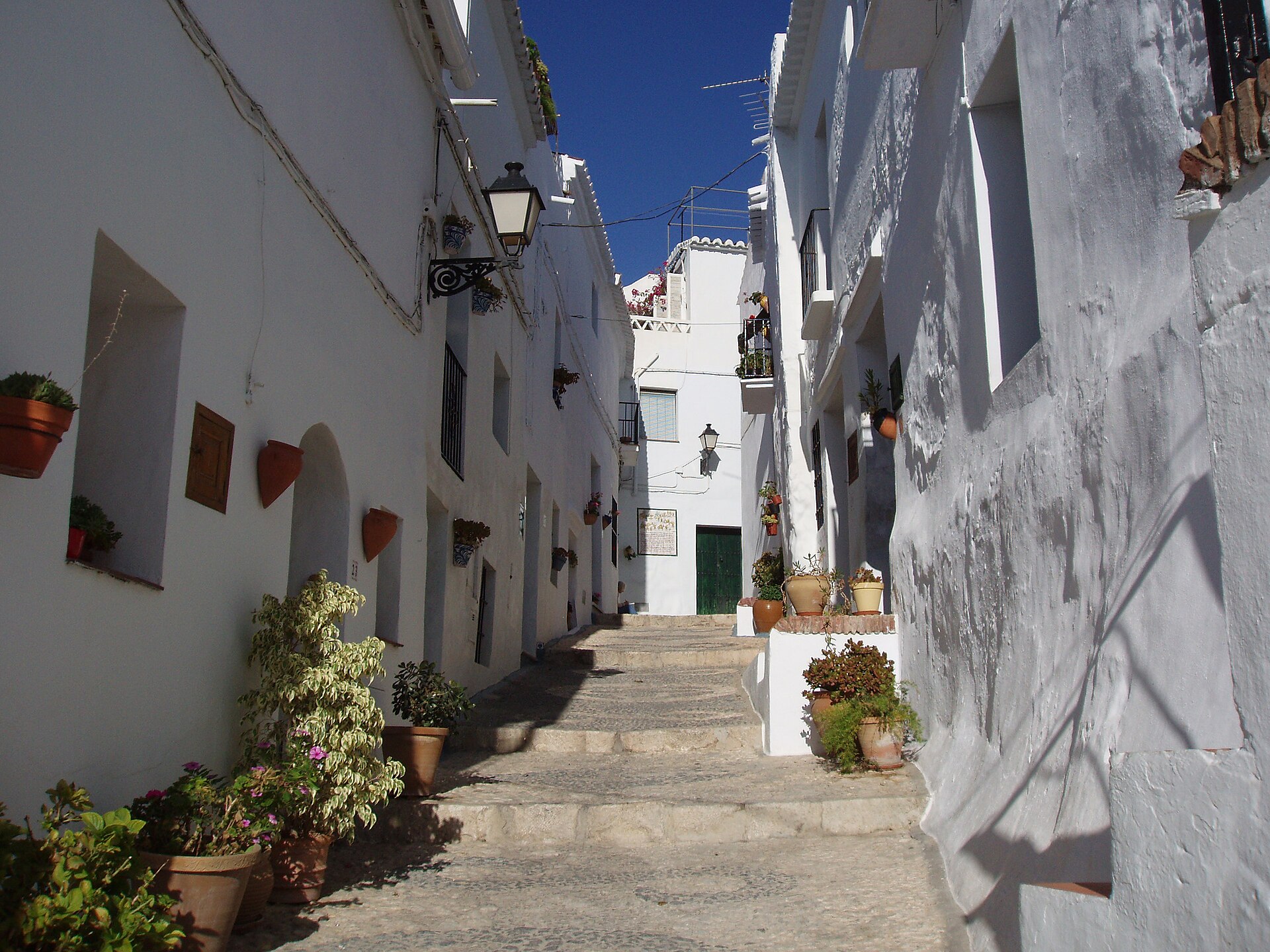
Frigiliana & Nerja: The Costa del Sol's Prettiest Corner
Ask anyone who's lived here a while where the Costa del Sol is still genuinely pretty — not the high-rise stretch, the real thing — and they'll point east, past Málaga, to where the Sierra de Almijara drops almost straight into the sea. That's Nerja, and 7km up the switchbacks behind it, Frigiliana. We do this pair as a single day trip a couple of times a season, and it's the one we send visiting friends to do first. Here's how to combine both properly, what's worth your time, and what's quietly a tourist trap. Start at the Balcón de Europa. Nerja's old town funnels everyone down to the Balcón de Europa, a palm-lined promenade built on the stump of a clifftop fortress. It juts out over the sea with a 180-degree view of coves and the mountains behind. It's genuinely beautiful and genuinely mobbed — there's a busker, a guy who'll draw your caricature, and at the very tip a bronze statue of King Alfonso XII that every tourist photographs. Get there before 11am or after 6pm. Midday in July it's shoulder-to-shoulder. The streets feeding into it — Calle Pintada, Calle Almirante Ferrándiz (locals still call it Calle Cristo) — are the prettiest, whitewashed and tiled, and where the better restaurants hide. Down the steps on either side are Nerja's town beaches: Playa Calahonda — tiny, sheltered, right under the Balcón. Charming but it fills by 10am. Playa Burriana — the big one, 800m of sand a 15-minute walk east, with proper chiringuitos. This is where you actually swim and eat. If you only swim once in Nerja, make it Burriana and have lunch at Ayo's, the paella place at the far end that's been cooking rice in giant pans over orange-wood fires since the 1960s. The all-you-can-eat paella is around €11 and the spectacle is half the point. The Nerja Caves — go, but manage expectations. The Cuevas de Nerja, 4km east of town, are a genuine natural wonder — vast caverns with one of the world's largest stalactite columns, lit theatrically. Tickets are about €15 (children cheaper), and you should book online for a timed slot in summer because the on-the-day queue is brutal. Honest take: it's impressive for 30–40 minutes, the walkways are well-made, and it's blessedly cool when it's 33°C outside. But it's a one-way loop, fairly quick, and the gift-shop-and-coach-park energy at the entrance is strong. If your day is tight, the caves are the thing I'd cut before the coves. Bus N-3 runs out here from the centre, or it's a €7–8 taxi. The Maro coves — the part most people miss. This is the secret that isn't really a secret anymore but still feels like one. East of the caves, around the hamlet of Maro, the Acantilados de Maro-Cerro Gordo cliffs hide a string of small, clear-water coves backed by a waterfall. Playa de Maro is the easiest — there's a dirt car park above and a steepish path down (10 minutes, wear real shoes, not flip-flops). The water is the clearest on this whole coast. In summer the access road to the cove gets restricted and you may have to park up top and walk, or use the seasonal shuttle. Kayak operators on Burriana run morning trips along these cliffs to the waterfall for around €30–35, which honestly is the best way to see them and skips the parking headache entirely. For more on where the good swimming is along the coast, our best beaches guide has the full list. Up to Frigiliana. Now drive (or bus) the 7km up. The M-345 bus from Nerja's bus stop on Avenida de Pescia runs roughly hourly, takes about 15 minutes and costs around €1.20. By car it's ten minutes of tight bends with a car park at the bottom of the village — don't try to drive into the old town, the streets are donkey-width and you will regret it. Frigiliana repeatedly wins "prettiest village in Andalucía" polls and you'll see why in about four steps. The Barribarto quarter — the old Moorish kasbah — is a vertical maze of dazzling-white houses, cobbled ramps, blue plant pots, bougainvillea spilling over everything, and ceramic plaques telling the (bloody) story of the 1569 Morisco rebellion. It's small. You can walk the whole historic core in 90 minutes including coffee stops, and that's the right amount of time. Things worth doing here: Buy a bottle of miel de caña (sugarcane molasses) from Nuestra Señora del Carmen, the last cane-honey mill of its kind in Europe, right in the village. Climb to the top for the viewpoint over the valley to the sea — the higher you go, the fewer people. Eat at a place with a terrace. El Mirador de Frigiliana and the little bars around Plaza de las Tres Culturas do honest Andalusian food; a plate of local goat, a glass of wine and the view is the whole experience. The downside: the lower main street is wall-to-wall souvenir shops selling the same fridge magnets, and a few "típico" restaurants on the through-road are overpriced and forgettable. Climb past them. The magic is in the upper lanes where nobody's selling you anything. Combining both in one day. The rhythm we use: Morning — arrive in Nerja by 9.30, walk the Balcón before the crowds, swim at Burriana. Lunch — paella at Ayo's or a long lunch on Calle Cristo. Early afternoon — either the caves (cool, indoors, good for the hottest hours) or a kayak to the Maro coves. Late afternoon — drive up to Frigiliana for golden hour, when the white walls turn warm and the day-trippers have left. Evening — dinner on a Frigiliana terrace, then the dark drive back down. That's a full, satisfying day. Don't try to add the caves and the coves and a long beach session — something will feel rushed. Best season. Late May, June, and September are the sweet spot: warm sea, long days, and Frigiliana's lanes not yet crammed. July and August are hot and very busy — go early and late, never midday. The Festival de las Tres Culturas in Frigiliana (usually late August) is wonderful but packs the village. April and October are lovely for walking but the sea is still bracing; our sea-temperature page tells you when it's actually swimmable. Practical tips. Getting there: From Málaga, the Avanza/ALSA bus to Nerja runs frequently from the bus station (~1 hour, around €5). By car it's the A-7 motorway, about 50 minutes. From the western resorts, see our Nerja page for routes — it's a solid 75–90 minutes from Marbella. Park smart: Use Nerja's underground car park near Plaza de España, and Frigiliana's lot at the foot of the village. Don't circle the old towns hunting for street parking. Book ahead: Cave tickets online in summer; kayak trips a day or two ahead. Restaurants generally don't need booking except August evenings in Frigiliana. Wear proper shoes for the cove paths and Frigiliana's cobbles. Bring water — the village climb is hot. Skip if short on time: the lower souvenir strip in Frigiliana and the day's third activity. Less, done well, beats a checklist. Do it right and this is the corner of the coast people remember long after the beach resorts blur together.
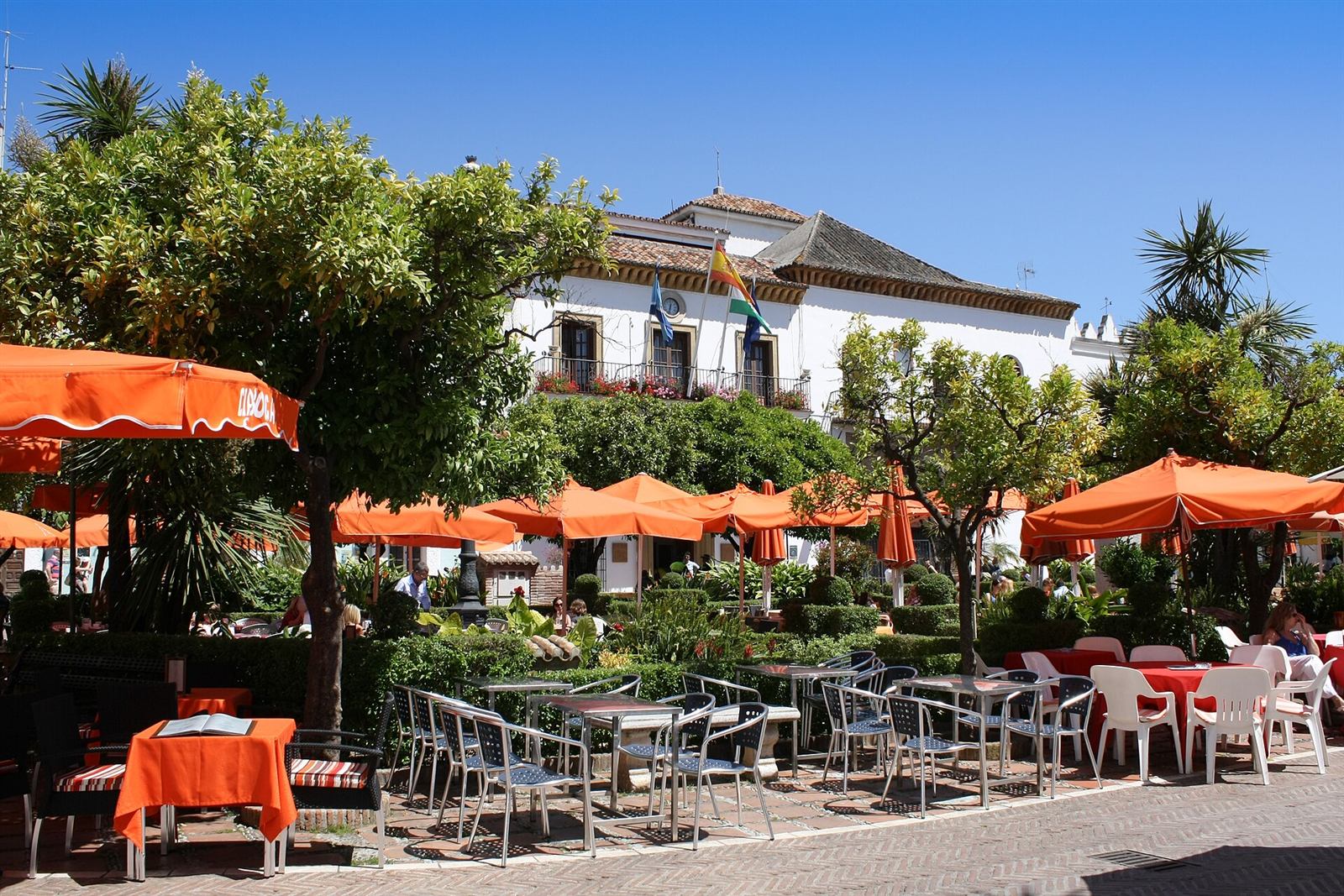
Marbellas Altstadt: Was jenseits der Plaza de los Naranjos wartet
Die Plaza de los Naranjos bekommt 95 % der Marbella-Altstadt-Fotos auf Instagram. Was du verpasst, wenn du dort stehen bleibst: vier Jahrhunderte Kirchengeschichte, eine Marisquería, die seit 1958 rohe Garnelen verkauft, und die engste Straße Andalusiens außerhalb Sevillas. Hier ist die Marbella-Casco-Antiguo-Runde, die Einheimische laufen. Plaza de los Naranjos — Vorbeigehen, nicht sitzen bleiben. Die Plaza de los Naranjos hat 12 Orangenbäume, einen Brunnen aus dem 16. Jahrhundert, das Rathaus von 1568 und sechs Restaurants mit Terrassen, die im Juli/August 8 € für ein Bier und 18 € für Paella verlangen. Komm her — mach das Foto — und geh direkt weiter. Wir nutzen die Plaza zur Orientierung, nicht als Ziel. Wer hier essen will, tut das im Januar, wenn die Einheimischen die Terrasse zurückerobern. Beste Zeit: 09:00-10:30 Uhr (ruhig, leichter Kaffee) Rathaus (Ayuntamiento) kostenlos zu besichtigen an der Ostseite Tipp: der Brunnen hat eine Inschrift von 1504, die niemandem auffällt — schau hin Iglesia de la Encarnación — Andalusische Barockschönheit. Fünf Gehminuten von der Plaza entfernt, in der Calle de la Iglesia, steht die Iglesia de Nuestra Señora de la Encarnación — erbaut 1505-1515 auf den Fundamenten einer Moschee, dann 1748 im vollen andalusischen Barockstil neu errichtet. Die Fresken im Inneren sind 15 Minuten Staunen wert. Wir waren im Dezember hier für die Weihnachtsmesse — kostenlos, für alle offen, keine Touristen. Es ist einer der wenigen Orte in Marbella, an denen du tatsächlich in der Stadt von vor dem Tourismusboom stehst. Geöffnet: täglich 09:30-13:00 und 18:00-20:30 Uhr, kostenlos Tipp: Freitagabend gibt es regelmäßig ein Orgelkonzert Nicht verpassen: den Silberaltar von 1788 (linkes Seitenschiff) Calle Aduar und die Seitenstraßen — Schmal-weiße Authentizität. Von der Plaza gehst du nördlich entlang der Calle Aduar — der engsten Straße im Marbella Casco Antiguo (stellenweise 1,8 Meter breit). Hier findest du die weißen Mauern mit fuchsia- und rotfarbener Bougainvillea, die auf jeder Postkarte zu sehen sind — nur ohne das Gedränge der Plaza. Geh weiter zur Calle Buitrago, dann Calle Remedios, dann zurück über die Calle de los Caballeros. Wir machen diese Runde jeden Freitagmorgen im Mai — eine Stunde, kein Plan, nur Mauern aus dem 16. Jahrhundert. Beste Zeit: vor 11:00 oder nach 18:00 Uhr Nicht verpassen: die Gedenktafel an der Calle Buitrago 12 (Geburtshaus eines Priesters aus dem 17. Jahrhundert) Tipp: schau nach oben — viele Häuser haben geometrische Mudejar-Fliesen in den Türschwellen Restaurante Altamirano — Marisquería seit 1958. Altamirano an der Plaza Altamirano (200 Meter von der Plaza de los Naranjos) gibt es seit 1958 und serviert Pescaíto, Meeresfrüchte und frisch gegrillten Fisch auf einer schattigen Terrasse für 60 Personen. Wir kommen seit 2018 hierher, mindestens fünfmal im Jahr — nichts ändert sich. Bestell die Gambas blancas (16 € pro Ración), die Chocos a la plancha (14 €) und eine Flasche Verdejo Rueda (18 €). Rechne mit 35-45 € p. P. inklusive Getränke — für den Marbella Casco Antiguo ein normaler Preis. Geöffnet: täglich 13:00-16:00 und 20:00-23:30 Uhr Reservierung ja, +34 952 824 932 — mittags meist genug, abends vorher buchen Tipp: frag nach Tisch 14, dem Ecktisch mit Blick über den ganzen Platz Ermita de Santiago — Die Kapelle aus dem 15. Jahrhundert, verborgen in den Mauern. Die Ermita de Santiago ist das älteste religiöse Bauwerk in ganz Marbella — eine Kapelle aus dem 15. Jahrhundert, errichtet direkt nach der christlichen Reconquista von 1485. Sie versteckt sich in der Calle Carmen und öffnet nur zu besonderen Anlässen. Wir haben sie zweimal von innen gesehen (eine Beerdigung, ein lokaler Heiligen-Jahrestag) — ein gotischer Innenraum von 6×4 Metern, so intim, dass man flüstert. Von außen: der Mudejar-Türsturz mit dem spanischen Königswappen ist allein schon den Umweg wert. Geöffnet: selten, meist nur während lokaler Feste Außenseite: kostenlos zu besichtigen, rund um die Uhr Tipp: frag bei der Iglesia de la Encarnación nach der nächsten Öffnungsmöglichkeit Praktische Wanderroute durch die Altstadt. Start: Plaza de la Iglesia (Parken unten am Recinto Ferial) Empfohlene Runde: Iglesia → Calle Carmen (Ermita) → Plaza Altamirano (Mittagessen) → Plaza Naranjos → Calle Aduar → Calle Buitrago → zurück über die Calle Remedios Dauer: 2-3 Stunden inklusive Mittagessen Beste Monate: Mai + Juni + Oktober (mild) Tipp: kombiniere es mit der Avenida del Mar (Dalí-Skulpturengarten) — 10 Min. zu Fuß vom Zentrum ans Meer --- Fotos: Mark Gilbert (CC BY-SA 3.0), Zarateman (CC0), via Wikimedia Commons; Google-Maps-Beitragende.
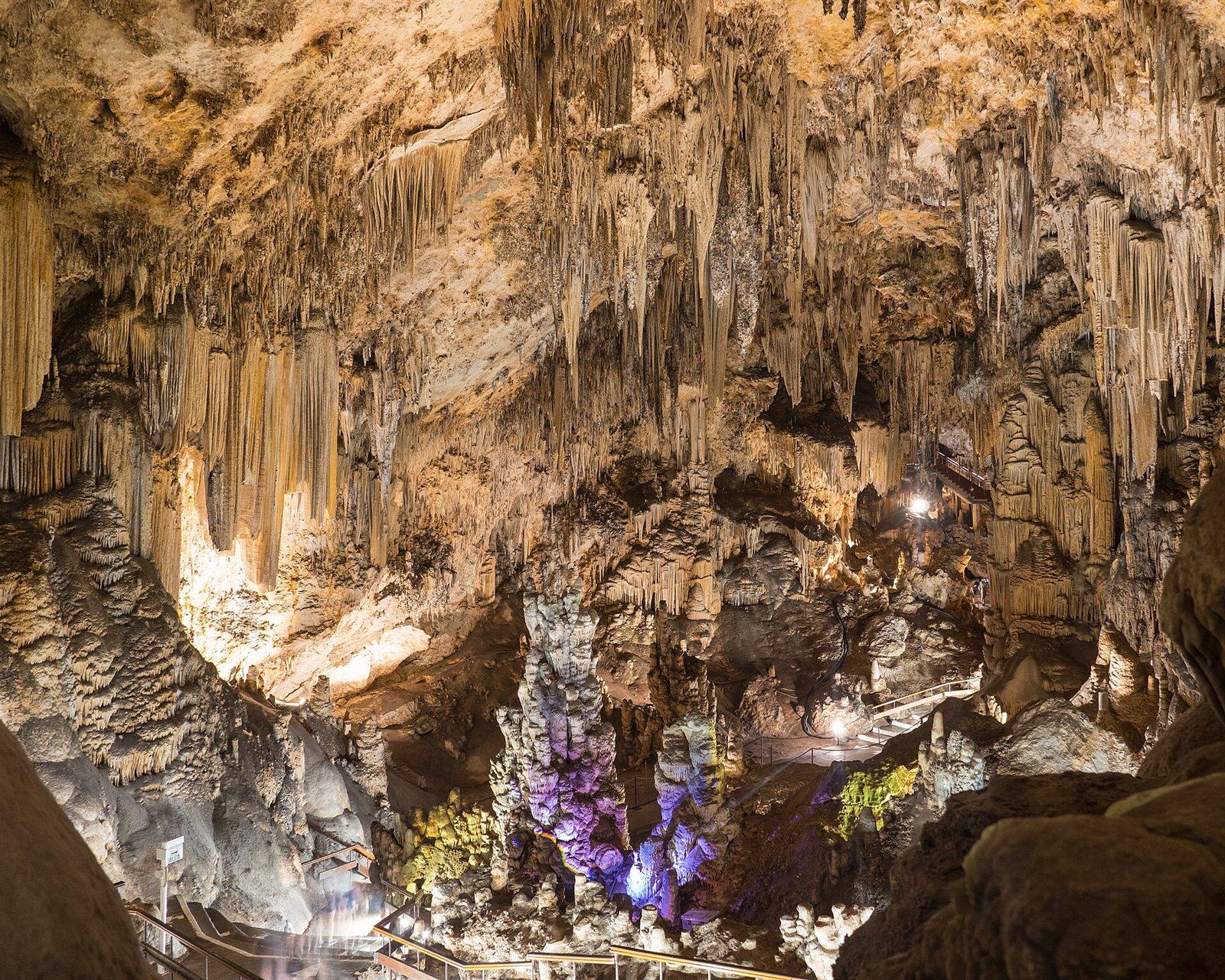
Nerja und die Höhlen: Mehr als eine Touristenfalle, wenn du es richtig timst
Die Cuevas de Nerja stehen auf jeder Top-10-Liste der Sehenswürdigkeiten der Costa del Sol – was sie auch zu einer der Top-10-Touristenfallen macht. Aber wenn du vor 11:00 Uhr drinnen bist, deinen Tag drumherum planst und an den richtigen Orten isst, bleibt das einer der spektakulärsten Tagesausflüge von der Küste. Hier ist die Locals-Version. Cuevas de Nerja – Der Trick ist das Timing, nicht die Tour. Die Cuevas de Nerja wurden 1959 von fünf Jungen entdeckt, die auf der Suche nach Fledermäusen waren. Die Höhlen beherbergen paläolithische Malereien (einige 42.000 Jahre alt – Archäologen streiten noch, ob diese die ältesten der Welt sein könnten), den größten Stalagmiten der Welt (32 m) und einen natürlichen Amphitheater-Saal, der im Juli/August das Festival Internacional Cueva de Nerja beherbergt. Wir waren letzten Oktober um 10:00 Uhr da – fünfzehn Minuten Wartezeit, zwei Reisebusse vor uns; um 11:30 Uhr waren drei weitere angekommen. Das ist der Unterschied. Geöffnet: 09:00–19:00 Uhr (Juni–September), 09:00–16:30 Uhr (sonst) Preis: 15 € Erwachsene, 13 € Kind 6–12 Tipp: kauf das Ticket am Vorabend online, komm um 09:45 Uhr Tour auslassen: wähl den Audioguide (3 € extra), nicht die Live-Tour Balcón de Europa – Der Ausblick und das Zentrum von Nerja. Nach den Höhlen fährst du 5 Min. ins Zentrum von Nerja und parkst am Parking del Balcón. Der Balcón de Europa ist der ikonische Promenadenausblick mit Palmen, einer marmorweißen Balustrade und Blick auf die Sierra Almijara – kostenlos, keine Wartezeit. Wir gehen immer direkt zur äußersten Ostseite (die meisten bleiben auf der Westseite) – von dort siehst du beide Strände gleichzeitig und der Fotograf hat die Sonne im Rücken. Beste Zeit: 11:30–12:30 Uhr oder nach 17:00 Uhr Kaffee: Café Rubens am Balcón macht einen ernstzunehmenden Espresso (2 €) Tipp: geh weiter zur Calle Carabeo für Terrassenrestaurants mit dem ECHTEN Ausblick Playa de Burriana und Chiringuito Ayo – Paella im Sand. Die Playa de Burriana ist Nerjas Hauptstrand – 800 m Sand, klares Wasser, und an ihrem Ostende: Chiringuito Ayo, das mittags unbegrenzt Paella für 13 € pro Person serviert. Ayo García (der Gründer) kochte die Pfanne 50 Jahre lang jeden Tag selbst – er starb 2023, sein Sohn führt es jetzt, und die Qualität ist exakt dieselbe. Wir kommen mindestens einmal pro Urlaub hierher – komm um 13:15 Uhr (erste Paella um 13:30 Uhr fertig). Geöffnet: täglich 12:00–22:00 Uhr (April–Oktober) Paella-Special: all-you-can-eat 13 € pro Person, täglich 13:30–15:30 Uhr Tipp: frag nach der Reiskruste am Boden (socarrat) der zweiten Pfanne Parken: kostenlos entlang der Promenade, ab 12:00 Uhr voll Frigiliana – Die weiße Stadt 10 Minuten von Nerja. Viele vergessen, dass Nerja eine Ausflugsstadt nebenan hat: Frigiliana, 7 km landeinwärts. Ein vollkommen weißes Dorf an einem Berghang, schmale Gässchen mit Blumentöpfen und das schönste alte maurische Viertel der gesamten Costa del Sol. Wir parken am äußeren Rand und gehen hinauf – eine Stunde reicht für das Zentrum. Am Mittwochmorgen gibt es den Straßenmarkt, auf dem Frigiliana-Honig verkauft wird (das Honigfestival Ende April/Anfang Mai ist berühmt). Kostenlos zu besuchen Beste Zeit: vor 11:00 Uhr oder nach 17:00 Uhr (mittags ist es heiß) Essen: Bar El Mirador zum Mittagessen, El Adarve für ein vollständigeres Abendessen Honig: kauf bei La Casa del Apicultor im Zentrum Essen im alten Nerja – Nicht am Balcón. Die Restaurants direkt am Balcón de Europa sind überwiegend touristisch bepreist – 18 € für Paella in Tiefkühlqualität. Geh eine Straße nach Norden (Calle Pintada) und du findest Bar Patanegra (12 € menú del día mit jamón ibérico) oder El Pulguilla für Tapas (2–4 € pro Stück, gratis Tapa zu jedem Getränk). Wir essen nach den Höhlen immer hier – der Unterschied zwischen Touristenmeile und Locals-Meile ist genau eine Straße. Bar Patanegra: Calle Pintada 9, täglich 12:00–15:30 und 19:00–23:00 Uhr El Pulguilla: Calle Almirante Ferrándiz 26, täglich außer montags Tipp: im El Pulguilla bekommst du eine gratis Tapa pro Getränk – drei Biere sind ein ganzes Mittagessen Praktisch: Route ab Marbella. Auto: A-7 ostwärts, 90–110 Min. (Marbella → Nerja, ~120 km) Bus: ALSA direkt Marbella → Nerja, 2 Stunden, 14 € einfache Fahrt Beste Monate: Mai + Juni + September + Oktober (Sommer = 35 °C+ in Höhlen und Stadt) Zeitplan: Abfahrt 08:30 Uhr → 10:00 Uhr Höhlen → 11:30 Uhr Balcón → 13:30 Uhr Burriana-Paella → 16:00 Uhr Frigiliana → 19:00 Uhr Rückkehr = voller Tag Kombinieren mit dem Caminito del Rey ist als Tagesausflug nicht möglich – wähl eins pro Tag --- Fotos: Fernando (CC BY-SA 4.0), via Wikimedia Commons; Google-Maps-Mitwirkende.
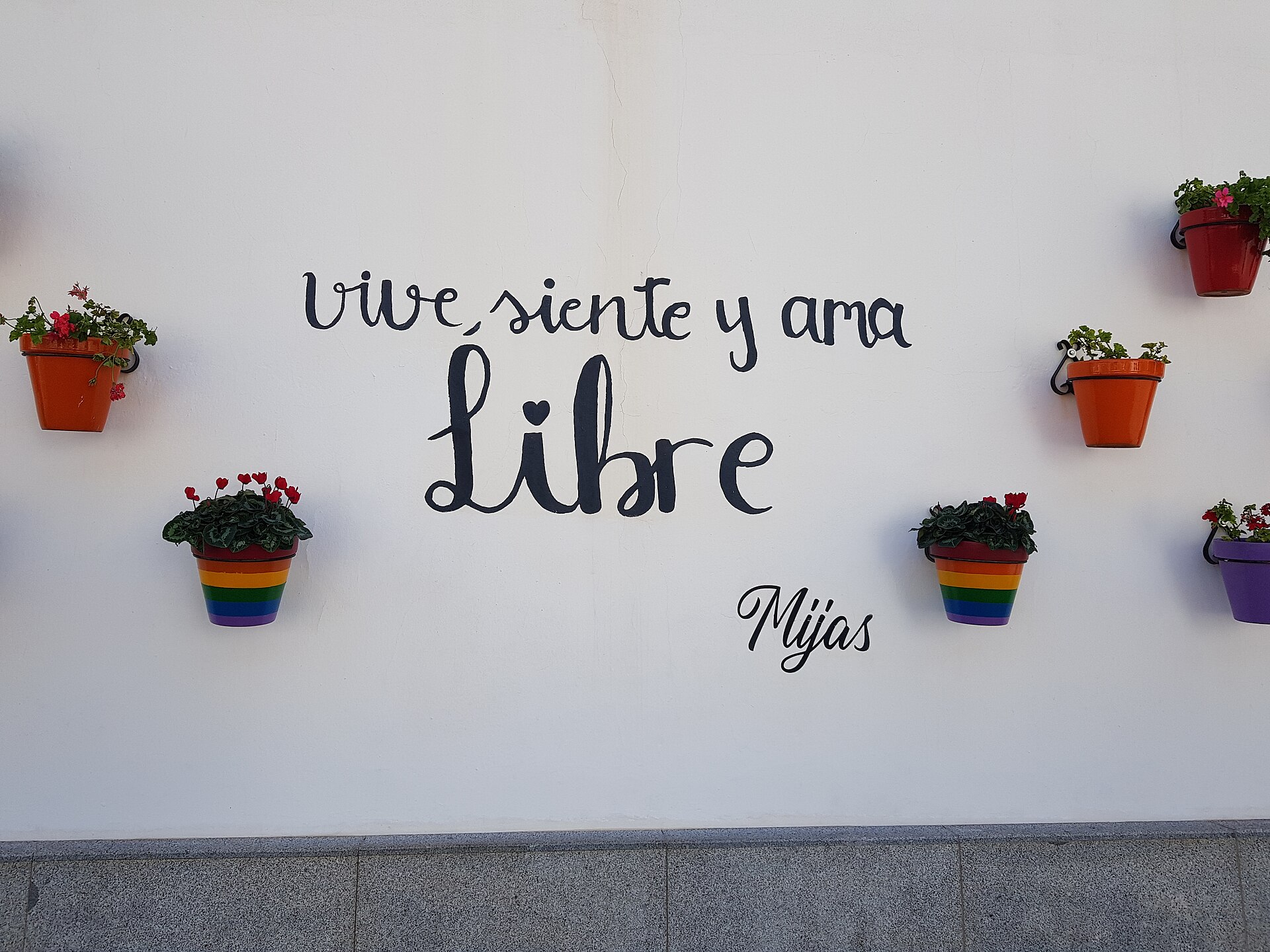
Mijas Pueblo: The White Village Above the Costa del Sol
Most people on the Costa del Sol never get further than the beach bars of Fuengirola or Torremolinos, which is exactly why the smartest afternoon you can plan is the 30-minute drive up into the hills to Mijas Pueblo. It's the postcard "white village" everyone pictures when they imagine Andalucía — geranium pots, lime-washed walls, donkeys in the square — except it's a real working pueblo, not a film set. We send every visiting friend up here, and here's how to do it without falling into the obvious traps. Why bother leaving the coast. The resort strip below is fine for a swim and a beer, but it's flat, busy, and looks like a hundred other places. Mijas Pueblo sits at roughly 430 metres, clinging to the side of the Sierra de Mijas, and the temperature drops a noticeable few degrees as you climb — a genuine relief in July and August. On a clear day you can see the whole bay from Fuengirola round to Gibraltar and, when the haze lifts, the Rif mountains of Morocco across the water. What makes it worth the trip is the contrast. Down on the coast everything is built in the last 50 years. Up here the lanes are too narrow for two cars, the houses are whitewashed twice a year by hand, and within ten minutes of parking you've swapped sunbeds for a proper Andalusian hill town. For an afternoon, it genuinely beats the Costa del Sol resort strip. The viewpoints (start here). The single best thing to do is just walk the perimeter for the views. Three spots are worth aiming for: Mirador del Compás — the terrace beside the bullring at the top of the village. Free, open, and the classic panorama of the coast laid out below. The Muralla / Jardines de la Muralla — landscaped gardens along the old town wall on the Fuengirola-facing side, full of cascading plants and benches. Quiet in the late afternoon. Plaza de la Constitución — the main square, framed by the rock face and a good orientation point before you wander. The whole historic core is small — you can loop it in 30–40 minutes at a stroll — so don't over-plan. Half the pleasure is getting briefly lost in lanes like Calle San Sebastián, probably the most photographed street in the village, a cobbled alley of white walls and blue flowerpots. The donkey-taxi debate — what we tell people. You can't write honestly about Mijas without the burro-taxi. Since the 1960s, donkeys have ferried tourists around the village, and the painted carts and saddled donkeys still wait near the entrance off Avenida del Compás. A short ride runs around €10–15, a cart for a few people more. Here's the honest take: it's the village's most famous "thing" and also its most uncomfortable one. The animals stand in the heat for long hours, and welfare campaigners have pushed hard against it for years. The town has added shade, water and rest rules, but plenty of locals and regular visitors simply won't use it any more, and we don't either. Photograph the donkeys if you like, give them a wide berth in the midday sun, and walk the village on your own feet — it's tiny, and you'll see far more. If you want to support animals, the small donkey sanctuary projects in the wider area are a better place to put your money. Chapels, the bullring and the small museums. For its size, Mijas packs in a surprising number of little sights, almost all free or a euro or two: Ermita de la Virgen de la Peña — a tiny chapel carved straight into the rock by a Carmelite monk in the 1680s, just off the gardens. Cool, dim and genuinely atmospheric; it's the village's patron shrine. Iglesia de la Inmaculada Concepción — the main parish church, with a Mudéjar tower built over an old minaret. Climb up for another view. Plaza de Toros — the small oval (not rectangular) bullring from 1900, one of the most unusual in Spain. There's a modest museum; you can usually look in for a couple of euros even when nothing's on. CAC Mijas — a free contemporary art centre with a clutch of minor Picasso and Dalí ceramics. Small, but a nice air-conditioned 20 minutes. None of these need more than 15 minutes each, which is the point — graze, don't grind. Eating and drinking (and what to skip). The square and the main approach lanes are wall-to-wall tourist menús del día with laminated photos — fine in a pinch, but not why you came. Walk two streets back from the main drag and prices drop and quality rises. For a coffee or a caña with the coast spread out below you, the terrace cafés along the Muralla are hard to beat — you pay a small view premium, worth it once. For an actual meal, look for the places up the hill where you hear Spanish being spoken: simple plates of espetos aren't really a hill-town thing (those belong down on the best beaches), so up here go for grilled meats, croquetas, and local Mijas wine. Skip the first three restaurants you see on the way in from the car park; they exist purely on passing footfall. A sweet tip: there are a couple of old-school bakeries doing tortas and almond pastries — buy some to eat on a bench in the gardens rather than sitting down somewhere with a cover charge. Getting there and parking. By car from the coast it's genuinely about 25–30 minutes from Fuengirola, slightly more from Marbella or Málaga, up a well-signed but winding road. Do not try to drive into the old village — the lanes are barely car-width and you'll regret it. Park in the large underground car park at Plaza Virgen de la Peña right at the village entrance; it's cheap (a couple of euros an hour) and drops you 30 seconds from the gardens. No car? The M-122 bus run by Avanza connects Fuengirola bus station to Mijas Pueblo roughly hourly, takes about 25–30 minutes and costs only a few euros each way. From Fuengirola you can reach the coast on the C-1 Cercanías train from Málaga (and the airport), so the whole thing is doable on public transport in an afternoon. Practical tips. When to go: Late afternoon is ideal — softer light for the views, cooler lanes, and you can stay for sunset over the bay. Mornings before the coach tours arrive (they roll in around 11am) are the other sweet spot. Avoid the 12–3pm peak in summer. How long: Two to three hours is plenty for the core. Half a day if you linger over lunch. Crowds: It is undeniably touristy — that's the trade-off for being this pretty and this close to the coast. Visiting off-peak hours fixes most of it. Combine it: Pair Mijas Pueblo with a swim back down in Fuengirola, or make it part of a hill-town loop with Ronda further inland. Wear: Proper shoes — the cobbles are steep and slick. Bring a layer for the evening; it's cooler up here than on the sand. What to book: Nothing, really. This is a walk-up afternoon. Check the events calendar though — village fiestas like the September romería transform the place. Go for the views, skip the donkey ride, eat two streets back from the square, and you'll understand why Mijas Pueblo is the one inland trip even die-hard beach people don't regret.
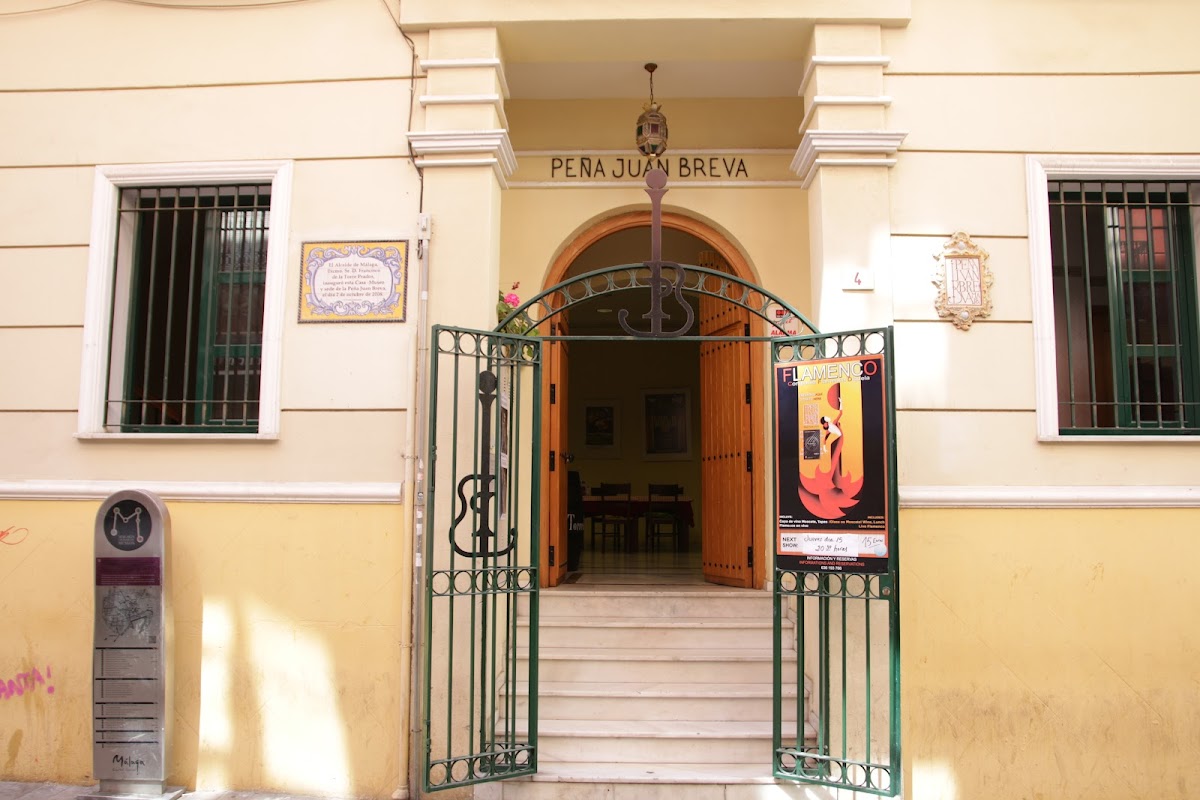
Flamenco in Málaga: Das Echte gegen die Touristenshow
Eine gute Flamenco-Show ist keine Show – sie ist ein Raum, in dem der Gitarrist, die Tänzerin und der Sänger gemeinsam in etwas hineinfinden, und du spürst es entweder oder eben nicht. Málaga ist nicht Sevilla und nicht Jerez. Aber die Stadt hat eine überraschend breite Flamenco-Szene: von kostenlosen Freitagabenden in der ältesten Peña Spaniens bis hin zu polierten Tablao-Shows für Kreuzfahrtgäste. Hier erfährst du, wie du den Unterschied erkennst – und welche Option zu dir passt. Peña Juan Breva – Die älteste Peña Spaniens. 1958 gegründet und in einer Seitengasse der Calle Beatas versteckt, ist die Peña Juan Breva die älteste noch aktive Peña Spaniens. Im Erdgeschoss befindet sich ein kleines Museum mit über 5.000 Tonarchiven, 2.500 CDs und 20 Gitarren – von denen einige mehr als zwei Jahrhunderte alt sind. Im Untergeschoss gibt es ein Tablao, in dem freitagabends um 20 Uhr ein Konzert stattfindet. Eintritt frei. Das Publikum ist lokal, die Künstler sind eine Mischung aus Amateuren und Profis, und zwischen den Stücken halten sie inne, um mit dem Saal zu plaudern. Das ist Flamenco, wie er sein soll: klein, ehrlich und hin und wieder schwindelerregend gut. Shows: Freitag 20 Uhr (gelegentlich auch Donnerstag oder Samstag – vorher anrufen) Museum: Mo–Sa 10–14 Uhr, 3 € Spende Calle Ramón Franquelo 4, Zentrum von Málaga Tel.: (+34) 952 22 13 80 oder (+34) 687 607 526 Teatro Cervantes – Wenn die großen Namen vorbeikommen. Jeden April veranstaltet das Teatro Cervantes sein eigenes Festival Flamenco Serás Tú mit Künstlern auf nationalem Niveau, die du sonst nur in Jerez oder Sevilla zu sehen bekommst. Den Rest des Jahres stehen regelmäßig Flamenco-Konzerte auf dem Programm. Allein das Interieur – drei Ränge, eine bemalte Decke von 1870, warmes goldenes Licht – macht den Abend zu etwas Besonderem. Die Akustik ist so gut, dass du das Fuß-Tappen der Tänzerin selbst vom obersten Rang aus hörst. Tickets ab 12 €, Top-Acts bis 40 € Programm vorab auf teatrocervantes.com prüfen Calle Ramos Marín, 2 Gehminuten von der Plaza de la Merced Für Flamenco Serás Tú früh reservieren Kelipé Centro de Arte Flamenco – Intim und ernsthaft. Hinter dem Markt Atarazanas liegt Kelipé – eine Flamenco-Schule, die auch Shows veranstaltet. Gerade weil es eine Schule ist, ist das Niveau durchweg hoch: Gastkünstler kommen vorbei, um vor den Schülern aufzutreten. Der Saal ist klein (etwa 40 Plätze), was bedeutet, dass du buchstäblich drei Meter von der Tänzerin entfernt sitzt. Die Show heißt Flamenco De Ley und dauert etwa eine Stunde. Wenn du es wirklich verstehen willst: Buch zusätzlich einen Workshop – ein Nachmittag unter den Schülern lehrt dich mehr über Duende als zehn Shows. Shows Mittwoch bis Sonntag 20 Uhr Tickets ab 28 € inklusive einem Getränk Calle Muro de Puerta Nueva 10 Workshops nach Vereinbarung über kelipe.net Alegría Flamenco y Gastronomía – Das gut gemachte Tablao. Nahe dem Hafen, 2 Minuten vom Pompidou-Zentrum, ist Alegría die zugänglichste Option – und zugleich das am besten umgesetzte Touristen-Tablao der Stadt. Mehrere Shows am Tag, meist vier Künstler auf der Bühne (Tänzerin, Sänger, Gitarrist, Percussion), mit der Möglichkeit, vorab auf der Terrasse zu essen. Kein Anspruch auf Authentizität, aber ein professionell aufgeführtes Spektakel. Ideal, wenn du mit Familie oder einer Gruppe unterwegs bist und einen ersten Eindruck von Flamenco bekommen willst, ohne dich mit ungewöhnlichen Zeiten oder telefonischen Reservierungen herumschlagen zu müssen. Shows täglich um 17:30, 20:45 und 22:30 Uhr Tickets ab 28 €, Abendessen separat buchbar Calle Vélez Málaga 6, Málaga-Este Die frühe Show ist meist weniger voll So wählst du aus. Zum ersten Mal Flamenco und nur einen Abend in der Stadt? Alegría oder Kelipé – eine gute Show garantiert. Schon mal in einem Tablao gewesen und willst etwas Echtes? Peña Juan Breva an einem Freitagabend. Komm früh – der Saal ist klein. Du bist Fan und ein großer Name steht auf dem Programm? Teatro Cervantes, Parkett oder erster Rang. Du hast einen ganzen Abend und einen neugierigen Magen? Vino Mio oder Los Amayas – Abendessen plus Show, weniger intensiv, aber gesellig. Duende – worauf du achten solltest. Flamenco läuft nicht nach Choreografie. Der Gitarrist, der Sänger und die Tänzerin hören aufeinander, beschleunigen, bremsen ab, spielen sich gegenseitig zu. Der Moment, in dem alle drei in dieselbe Strömung finden, heißt Duende – wörtlich „Geist“ –, und dann beginnt das Publikum „Olé!“ zu rufen, selbst wenn nichts Offensichtliches passiert. Wenn du es in einer Show noch nie gespürt hast: Geh zur Peña Juan Breva. Geh viermal hin, wenn es sein muss.
Häufig gestellte Fragen zu kultur
Wo sehe ich echten Flamenco statt Touristenshows?+
In Málaga: Peña Juan Breva, ein traditioneller Flamenco-Verein in der Altstadt, donnerstagabends ab 21 Uhr, für Mitglieder kostenlos, geringer Beitrag für Besucher. In Marbella: Ana María an der Paseo Marítimo für Dinner-Aufführungen. Meiden Sie Shows mit busladungsweise Reisegruppen — die sind für das Foto, nicht für die Musik.
Ist die Alhambra in Granada als Tagesausflug von Marbella machbar?+
Ja, aber knapp. Es ist anderthalb Stunden Fahrt, und Sie brauchen mindestens drei Stunden auf dem Alhambra-Gelände. Buchen Sie die Tickets mindestens einen Monat im Voraus — am Tor werden keine mehr verkauft. Fahren Sie vor 8 Uhr los und planen Sie auch Zeit für das Albaicín-Viertel und ein Mittagessen an der Plaza Larga ein.
Was kann ich an einem Tag in Málaga sehen?+
Beginnen Sie am Mercado de Atarazanas (Frühstück + Einkauf), gehen Sie über die Calle Larios zur Kathedrale. Das Picasso-Museum braucht mindestens zwei Stunden. Mittagessen im El Pimpi. Danach hinauf zur Alcazaba und zum römischen Theater. Abends: Muelle Uno bei Sonnenuntergang. Planen Sie allein für die Museen vier Stunden ein.