
Kulttuuri
Flamencoa, maurilaista historiaa, nykytaidetta ja vanhojakaupunkeja, joissa Aurinkorannikko alkoi jo kauan ennen turistien saapumista.
Frigiliana & Nerja: The Costa del Sol's Prettiest Corner
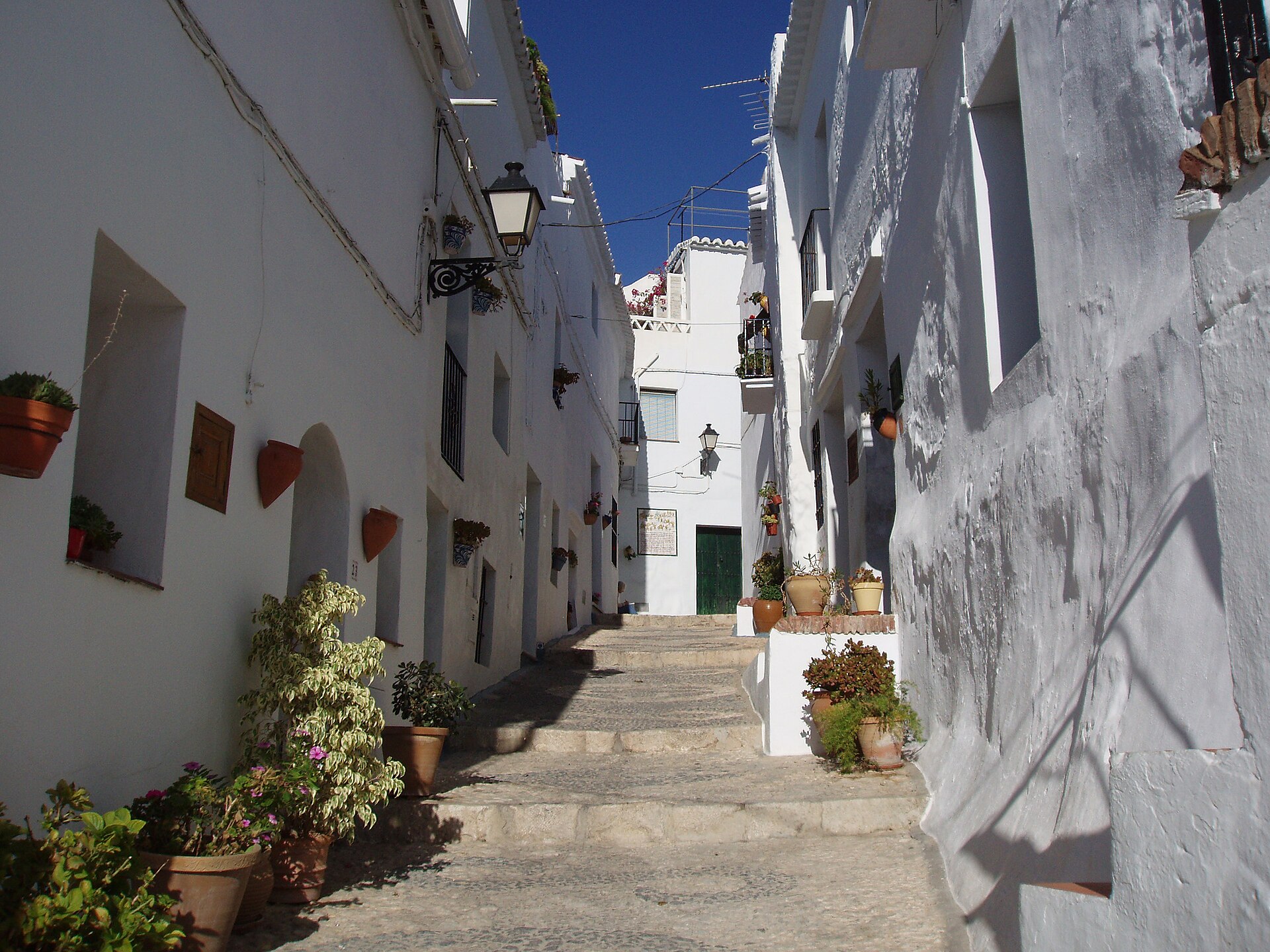
Ask anyone who's lived here a while where the Costa del Sol is still genuinely pretty — not the high-rise stretch, the real thing — and they'll point east, past Málaga, to where the Sierra de Almijara drops almost straight into the sea. That's Nerja, and 7km up the switchbacks behind it, Frigiliana. We do this pair as a single day trip a couple of times a season, and it's the one we send visiting friends to do first. Here's how to combine both properly, what's worth your time, and what's quietly a tourist trap. Start at the Balcón de Europa. Nerja's old town funnels everyone down to the Balcón de Europa, a palm-lined promenade built on the stump of a clifftop fortress. It juts out over the sea with a 180-degree view of coves and the mountains behind. It's genuinely beautiful and genuinely mobbed — there's a busker, a guy who'll draw your caricature, and at the very tip a bronze statue of King Alfonso XII that every tourist photographs. Get there before 11am or after 6pm. Midday in July it's shoulder-to-shoulder. The streets feeding into it — Calle Pintada, Calle Almirante Ferrándiz (locals still call it Calle Cristo) — are the prettiest, whitewashed and tiled, and where the better restaurants hide. Down the steps on either side are Nerja's town beaches: Playa Calahonda — tiny, sheltered, right under the Balcón. Charming but it fills by 10am. Playa Burriana — the big one, 800m of sand a 15-minute walk east, with proper chiringuitos. This is where you actually swim and eat. If you only swim once in Nerja, make it Burriana and have lunch at Ayo's, the paella place at the far end that's been cooking rice in giant pans over orange-wood fires since the 1960s. The all-you-can-eat paella is around €11 and the spectacle is half the point. The Nerja Caves — go, but manage expectations. The Cuevas de Nerja, 4km east of town, are a genuine natural wonder — vast caverns with one of the world's largest stalactite columns, lit theatrically. Tickets are about €15 (children cheaper), and you should book online for a timed slot in summer because the on-the-day queue is brutal. Honest take: it's impressive for 30–40 minutes, the walkways are well-made, and it's blessedly cool when it's 33°C outside. But it's a one-way loop, fairly quick, and the gift-shop-and-coach-park energy at the entrance is strong. If your day is tight, the caves are the thing I'd cut before the coves. Bus N-3 runs out here from the centre, or it's a €7–8 taxi. The Maro coves — the part most people miss. This is the secret that isn't really a secret anymore but still feels like one. East of the caves, around the hamlet of Maro, the Acantilados de Maro-Cerro Gordo cliffs hide a string of small, clear-water coves backed by a waterfall. Playa de Maro is the easiest — there's a dirt car park above and a steepish path down (10 minutes, wear real shoes, not flip-flops). The water is the clearest on this whole coast. In summer the access road to the cove gets restricted and you may have to park up top and walk, or use the seasonal shuttle. Kayak operators on Burriana run morning trips along these cliffs to the waterfall for around €30–35, which honestly is the best way to see them and skips the parking headache entirely. For more on where the good swimming is along the coast, our best beaches guide has the full list. Up to Frigiliana. Now drive (or bus) the 7km up. The M-345 bus from Nerja's bus stop on Avenida de Pescia runs roughly hourly, takes about 15 minutes and costs around €1.20. By car it's ten minutes of tight bends with a car park at the bottom of the village — don't try to drive into the old town, the streets are donkey-width and you will regret it. Frigiliana repeatedly wins "prettiest village in Andalucía" polls and you'll see why in about four steps. The Barribarto quarter — the old Moorish kasbah — is a vertical maze of dazzling-white houses, cobbled ramps, blue plant pots, bougainvillea spilling over everything, and ceramic plaques telling the (bloody) story of the 1569 Morisco rebellion. It's small. You can walk the whole historic core in 90 minutes including coffee stops, and that's the right amount of time. Things worth doing here: Buy a bottle of miel de caña (sugarcane molasses) from Nuestra Señora del Carmen, the last cane-honey mill of its kind in Europe, right in the village. Climb to the top for the viewpoint over the valley to the sea — the higher you go, the fewer people. Eat at a place with a terrace. El Mirador de Frigiliana and the little bars around Plaza de las Tres Culturas do honest Andalusian food; a plate of local goat, a glass of wine and the view is the whole experience. The downside: the lower main street is wall-to-wall souvenir shops selling the same fridge magnets, and a few "típico" restaurants on the through-road are overpriced and forgettable. Climb past them. The magic is in the upper lanes where nobody's selling you anything. Combining both in one day. The rhythm we use: Morning — arrive in Nerja by 9.30, walk the Balcón before the crowds, swim at Burriana. Lunch — paella at Ayo's or a long lunch on Calle Cristo. Early afternoon — either the caves (cool, indoors, good for the hottest hours) or a kayak to the Maro coves. Late afternoon — drive up to Frigiliana for golden hour, when the white walls turn warm and the day-trippers have left. Evening — dinner on a Frigiliana terrace, then the dark drive back down. That's a full, satisfying day. Don't try to add the caves and the coves and a long beach session — something will feel rushed. Best season. Late May, June, and September are the sweet spot: warm sea, long days, and Frigiliana's lanes not yet crammed. July and August are hot and very busy — go early and late, never midday. The Festival de las Tres Culturas in Frigiliana (usually late August) is wonderful but packs the village. April and October are lovely for walking but the sea is still bracing; our sea-temperature page tells you when it's actually swimmable. Practical tips. Getting there: From Málaga, the Avanza/ALSA bus to Nerja runs frequently from the bus station (~1 hour, around €5). By car it's the A-7 motorway, about 50 minutes. From the western resorts, see our Nerja page for routes — it's a solid 75–90 minutes from Marbella. Park smart: Use Nerja's underground car park near Plaza de España, and Frigiliana's lot at the foot of the village. Don't circle the old towns hunting for street parking. Book ahead: Cave tickets online in summer; kayak trips a day or two ahead. Restaurants generally don't need booking except August evenings in Frigiliana. Wear proper shoes for the cove paths and Frigiliana's cobbles. Bring water — the village climb is hot. Skip if short on time: the lower souvenir strip in Frigiliana and the day's third activity. Less, done well, beats a checklist. Do it right and this is the corner of the coast people remember long after the beach resorts blur together.
Marbellan vanhakaupunki: mitä odottaa Plaza de los Naranjosin tuolla puolen
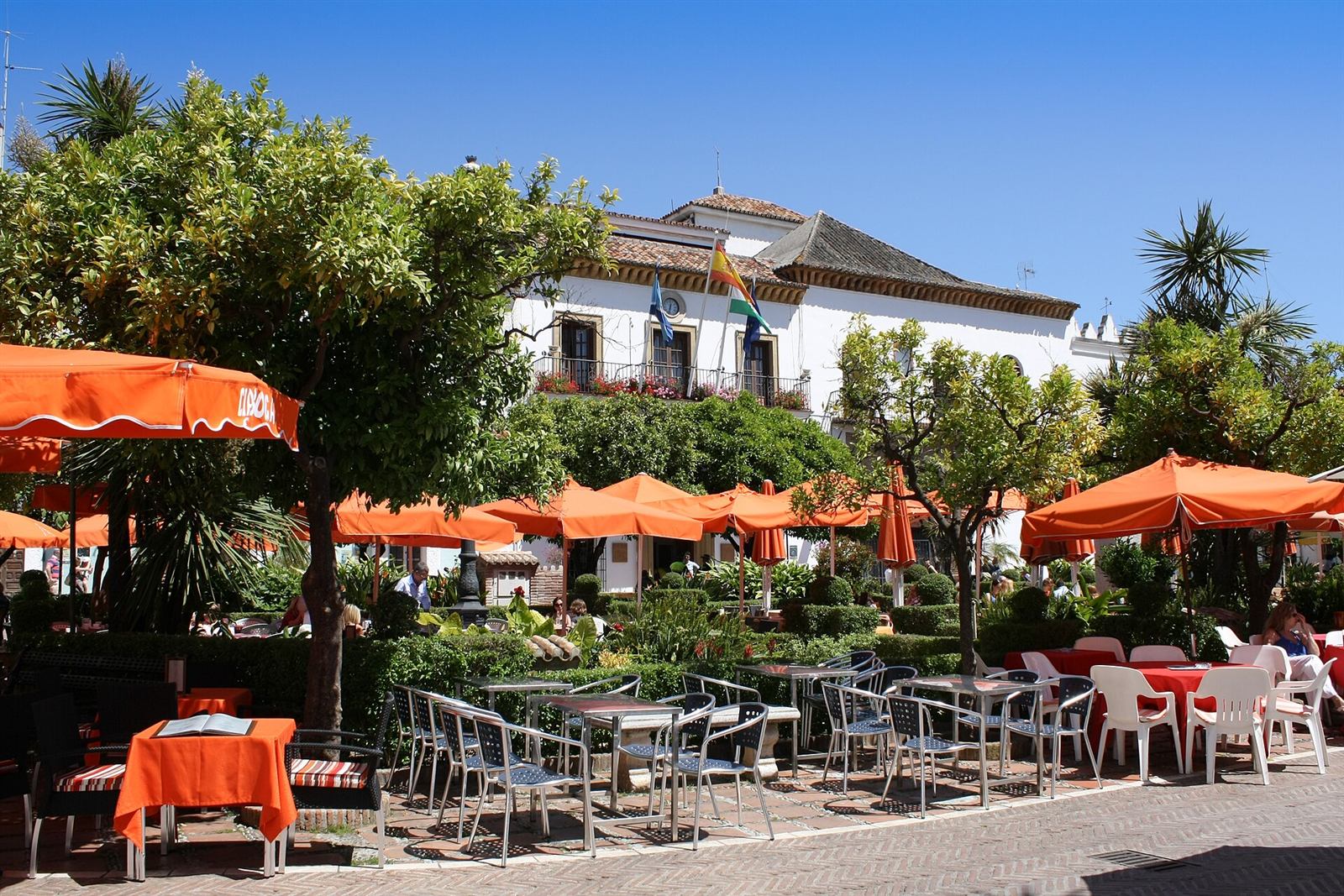
Plaza de los Naranjos saa 95 % kaikista Marbellan vanhankaupungin kuvista Instagramissa. Mitä menetät jos jäät sinne: neljä vuosisataa kirkkohistoriaa, meriruokapaikka joka on myynyt raakoja katkarapuja vuodesta 1958, ja Sevillan ulkopuolen kapein katu Andalusiassa. Tässä on Marbellan casco antiguon kierros, jonka paikalliset kävelevät. Plaza de los Naranjos — Kulje ohi, älä jää istumaan. Plaza de los Naranjosilla on 12 appelsiinipuuta, 1500-luvun suihkulähde, vuoden 1568 kaupungintalo ja kuusi ravintolaa terasseineen, jotka veloittavat 8 € oluesta ja 18 € paellasta heinä-elokuussa. Tule — ota kuva — ja kävele eteenpäin. Käytämme aukiota orientaatiopisteenä, ei määränpäänä. Se joka haluaa syödä täällä, tekee sen tammikuussa kun paikalliset ottavat terassin takaisin. Paras aika: klo 09.00–10.30 (rauhallinen, kevyt kahvi) Kaupungintalo (Ayuntamiento) ilmainen katsella itäpuolelta Vinkki: suihkulähteessä on vuoden 1504 kaiverrus, jota kukaan ei huomaa — katso Iglesia de la Encarnación — Andalusialaista barokkikauneutta. Viiden minuutin kävelyn päässä aukiolta, Calle de la Iglesialla, sijaitsee Iglesia de Nuestra Señora de la Encarnación — rakennettu 1505–1515 moskeijan perustuksille, sitten uudelleenrakennettu 1748 täydessä andalusialaisessa barokissa. Sisällä olevat freskot ovat 15 minuutin tuijottamisen arvoisia. Olimme täällä joulukuussa joulumessussa — ilmainen, avoinna kaikille, ei turisteja. Se on yksi harvoista paikoista Marbellassa, jossa todella seisot turismibuumia edeltäneessä kaupungissa. Avoinna: päivittäin klo 09.30–13.00 ja 18.00–20.30, ilmainen Vinkki: perjantai-iltaisin on säännöllisesti urkukonsertti Älä missaa: vuoden 1788 hopea-alttaria (vasen sivulaiva) Calle Aduar ja sivukadut — Kapeanvalkoista aitoutta. Aukiolta kävelet pohjoiseen Calle Aduaria pitkin — kapein katu Marbellan Casco Antiguossa (paikoin 1,8 metriä leveä). Täältä löydät valkoiset seinät fuksian- ja punaisenvärisine bougainvilleoineen, jotka koristavat jokaista postikorttia — mutta ilman aukion ruuhkaa. Kävele eteenpäin Calle Buitragolle, sitten Calle Remediosille, ja takaisin Calle de los Caballerosin kautta. Teemme tämän kierroksen joka perjantaiaamu toukokuussa — tunti, ei suunnitelmaa, vain 1500-luvun seiniä. Paras aika: ennen klo 11.00 tai klo 18.00 jälkeen Älä missaa: laattaa osoitteessa Calle Buitrago 12 (1600-luvun papin syntymäkoti) Vinkki: katso ylös — monissa taloissa on geometrisia Mudejar-laattoja kynnyksissä Restaurante Altamirano — Meriruokapaikka vuodesta 1958. Altamirano Plaza Altamiranolla (200 metriä Plaza de los Naranjosista) on ollut avoinna vuodesta 1958 ja tarjoilee pescaítoa, äyriäisiä ja grillattua kalaa varjoisalla terassilla 60 hengelle. Olemme käyneet täällä vuodesta 2018, vähintään viisi kertaa vuodessa — mikään ei muutu. Tilaa gambas blancas (16 € per ración), chocos a la plancha (14 €) ja pullo Verdejo Ruedaa (18 €). Odota 35–45 € per henkilö juomineen — Marbellan Casco Antiguolle normaali hinta. Avoinna: päivittäin klo 13.00–16.00 ja 20.00–23.30 Varaus kyllä, +34 952 824 932 — lounas yleensä ok, illaksi varaa etukäteen Vinkki: pyydä pöytää 14, kulmapöytä näkymällä koko aukiolle Ermita de Santiago — 1400-luvun kappeli piilossa muureissa. Ermita de Santiago on koko Marbellan vanhin uskonnollinen rakennus — 1400-luvun kappeli, joka pystytettiin heti vuoden 1485 kristillisen takaisinvaltauksen jälkeen. Se piileskelee Calle Carmenilla ja avautuu vain erityistilaisuuksissa. Olemme nähneet sen sisältä kaksi kertaa (hautajaiset, paikallinen pyhimysjuhla) — 6×4 metrin goottilainen sisätila niin intiimi että kuiskaa. Ulkopuolelta: Mudejar-ylikamana Espanjan kuninkaallisella vaakunalla on yksin kiertotien arvoinen. Avoinna: harvoin, yleensä vain paikallisten juhlien aikaan Ulkopuoli: ilmainen katsella, ympäri vuorokauden Vinkki: kysy Iglesia de la Encarnaciónista seuraavaa aukeamista Käytännöllinen kävelyreitti vanhankaupungin läpi. Lähtö: Plaza de la Iglesia (pysäköi Recinto Ferialiin alapuolelle) Suositeltu kierros: Iglesia → Calle Carmen (Ermita) → Plaza Altamirano (lounas) → Plaza Naranjos → Calle Aduar → Calle Buitrago → takaisin Calle Remediosin kautta Aika: 2–3 tuntia lounaineen Parhaat kuukaudet: toukokuu + kesäkuu + lokakuu (leuto) Vinkki: yhdistä Avenida del Mariin (Dalín veistospuisto) — 10 min kävely keskustasta merelle --- Kuvat: Mark Gilbert (CC BY-SA 3.0), Zarateman (CC0), Wikimedia Commonsin kautta; Google Maps -avustajat.
Nerja ja luolat: Enemmän kuin turistirysä, jos ajoitat sen oikein
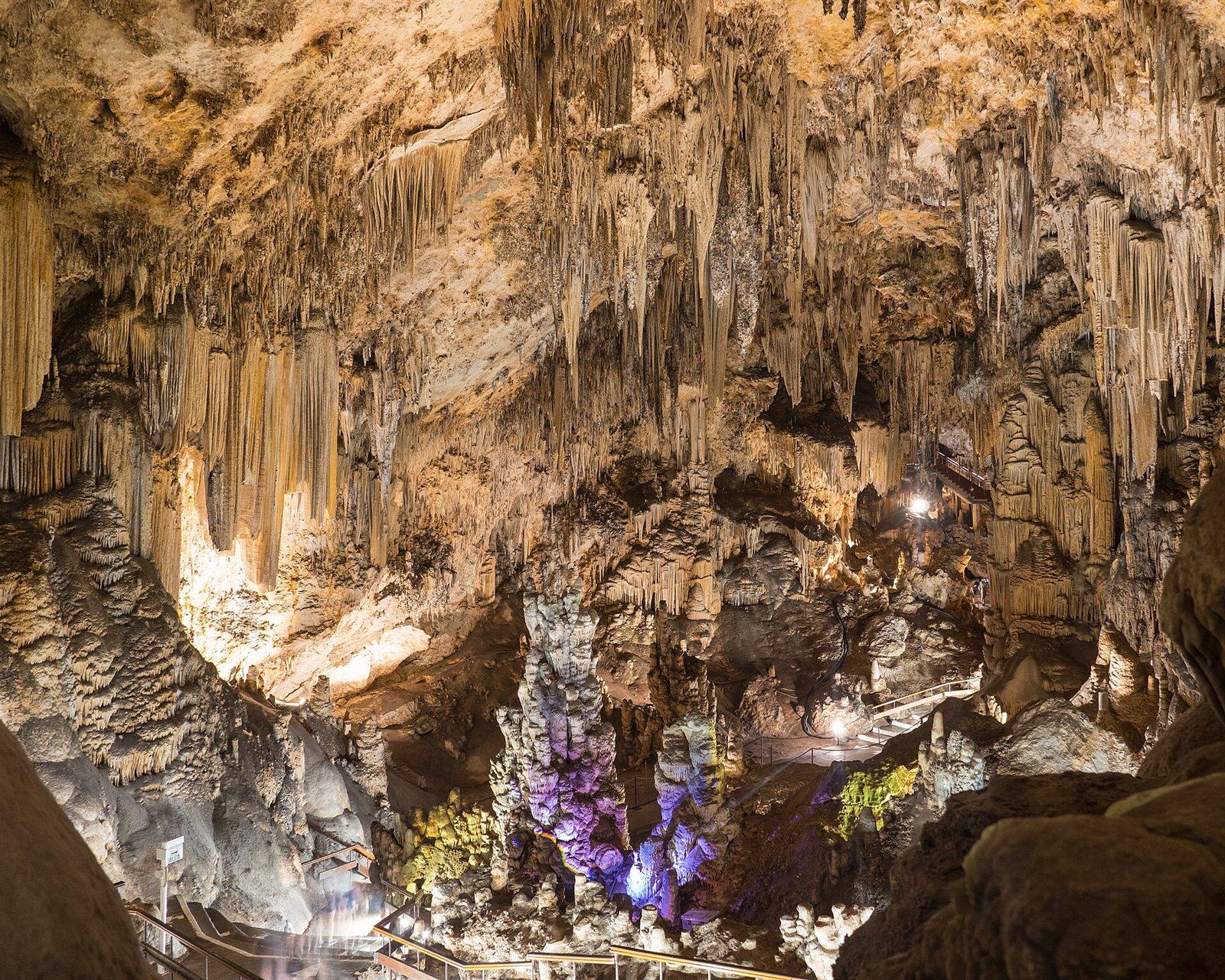
Cuevas de Nerja on jokaisella Aurinkorannikon top 10 -nähtävyyslistalla — mikä on juuri se, mikä tekee siitä yhden kymmenestä suurimmasta turistirysästä. Mutta jos olet sisällä ennen klo 11:00, suunnittelet päiväsi sen ympärille ja syöt oikeissa paikoissa, tämä on edelleen yksi näyttävimmistä päiväretkistä rannikolta. Tässä on paikallisten versio. Cuevas de Nerja — Niksi on ajoitus, ei kierros. Cuevas de Nerja löydettiin vuonna 1959 viiden lepakoita etsineen pojan toimesta. Luolissa on paleoliittisia maalauksia (osa 42 000 vuotta vanhoja — arkeologit kiistelevät edelleen, voivatko ne olla maailman vanhimpia), maailman suurin tippukivipylväs (32 m) ja luonnollinen amfiteatterisali, joka isännöi Festival Internacional Cueva de Nerjaa heinä-/elokuussa. Olimme siellä viime lokakuussa klo 10:00 — viisitoista minuuttia odotusta, kaksi turistibussia edessämme; klo 11:30 kolme lisää oli saapunut. Siinä on ero. Avoinna: 09:00–19:00 (kesä-syyskuu), 09:00–16:30 (muuten) Hinta: €15 aikuiset, €13 lapsi 6–12 Vinkki: osta lippu verkossa edellisiltana, saavu klo 09:45 Jätä kierros väliin: valitse audio-opas (€3 lisää), älä opastettua kierrosta Balcón de Europa — Näköala ja Nerjan keskusta. Luolien jälkeen ajat 5 min Nerjan keskustaan ja pysäköit Parking del Balcóniin. Balcón de Europa on ikoninen rantapromenadin näköalapaikka palmuineen, marmorinvalkoisine kaiteineen ja näkymineen Sierra Almijaralle — ilmainen, ei jonoja. Menemme aina suoraan äärimmäiselle itäpuolelle (suurin osa väestä jää länsipuolelle) — sieltä näet molemmat rannat yhtä aikaa ja valokuvaajalla on aurinko takanaan. Paras aika: 11:30–12:30 tai klo 17:00 jälkeen Kahvi: Café Rubens Balcónilla tekee vakavasti otettavan espresson (€2) Vinkki: jatka Calle Carabeolle terassiravintoloihin, joissa on AITO näköala Playa de Burriana ja Chiringuito Ayo — Paellaa hiekalla. Playa de Burriana on Nerjan pääranta — 800 m hiekkaa, kirkasta vettä, ja itäpäässä: Chiringuito Ayo, joka tarjoaa rajatonta paellaa hintaan €13 per henkilö lounaalla. Ayo García (perustaja) valmisti pannun itse joka päivä 50 vuoden ajan — hän menehtyi vuonna 2023, hänen poikansa pyörittää sitä nyt, ja laatu on täsmälleen sama. Tulemme tänne vähintään kerran jokaisella lomalla — saavu klo 13:15 (ensimmäinen paella valmis 13:30). Avoinna: päivittäin 12:00–22:00 (huhti-lokakuu) Paella-erikoinen: all-you-can-eat €13 per henkilö, päivittäin 13:30–15:30 Vinkki: pyydä riisikuorta pohjalta (socarrat) toisesta pannusta Pysäköinti: ilmainen rantapromenadia pitkin, täynnä klo 12:00 alkaen Frigiliana — Valkoinen kaupunki 10 minuutin päässä Nerjasta. Monet unohtavat, että Nerjalla on sivuretkikaupunki vieressään: Frigiliana, 7 km sisämaahan. Täysin valkoinen kylä vuorenrinteellä, kapeat kujat kukkaruukkuineen, ja koko Aurinkorannikon kaunein vanha maurilaiskortteli. Pysäköimme ulkoreunalle ja kävelemme ylös — tunti riittää keskustaan. Keskiviikkoaamuna on katumarkkinat, joilla myydään Frigilianan hunajaa (hunajafestivaali huhtikuun lopussa/toukokuun alussa on kuuluisa). Ilmainen vierailla Paras aika: ennen klo 11:00 tai klo 17:00 jälkeen (keskipäivä on kuuma) Ruoka: Bar El Mirador lounaalle, El Adarve täyteläisempään illalliseen Hunaja: osta La Casa del Apicultorista keskustassa Syöminen vanhassa Nerjassa — Ei Balcónilla. Ravintolat suoraan Balcón de Europan varrella ovat enimmäkseen turistihinnoiteltuja — €18 pakastelaatuisesta paellasta. Kävele yksi katu pohjoiseen (Calle Pintada), niin löydät Bar Patanegran (€12 menu del día jamón ibéricon kera) tai El Pulguillan tapaksille (€2–4 per kappale, ilmainen tapa jokaisen juoman kanssa). Syömme aina täällä luolien jälkeen — se ero turistikadun ja paikallisten kadun välillä on tasan yksi katu. Bar Patanegra: Calle Pintada 9, päivittäin 12:00–15:30 ja 19:00–23:00 El Pulguilla: Calle Almirante Ferrándiz 26, päivittäin paitsi maanantaina Vinkki: El Pulguillassa saat yhden ilmaisen tapan per juoma — kolme olutta on kokonainen lounas Käytännön: reitti Marbellasta. Auto: A-7 itään, 90–110 min (Marbella → Nerja, ~120 km) Bussi: ALSA suora Marbella → Nerja, 2 tuntia, €14 yhdensuuntainen Parhaat kuukaudet: touko + kesä + syys + lokakuu (kesä = 35°C+ luolissa ja kaupungissa) Aikataulu: lähtö 08:30 → 10:00 luolat → 11:30 Balcón → 13:30 Burriana paella → 16:00 Frigiliana → 19:00 takaisin = kokonainen päivä Yhdistäminen Caminito del Reyn kanssa ei onnistu päiväretkenä — valitse yksi per päivä --- Kuvat: Fernando (CC BY-SA 4.0), Wikimedia Commonsin kautta; Google Maps -avustajat.
Mijas Pueblo: The White Village Above the Costa del Sol
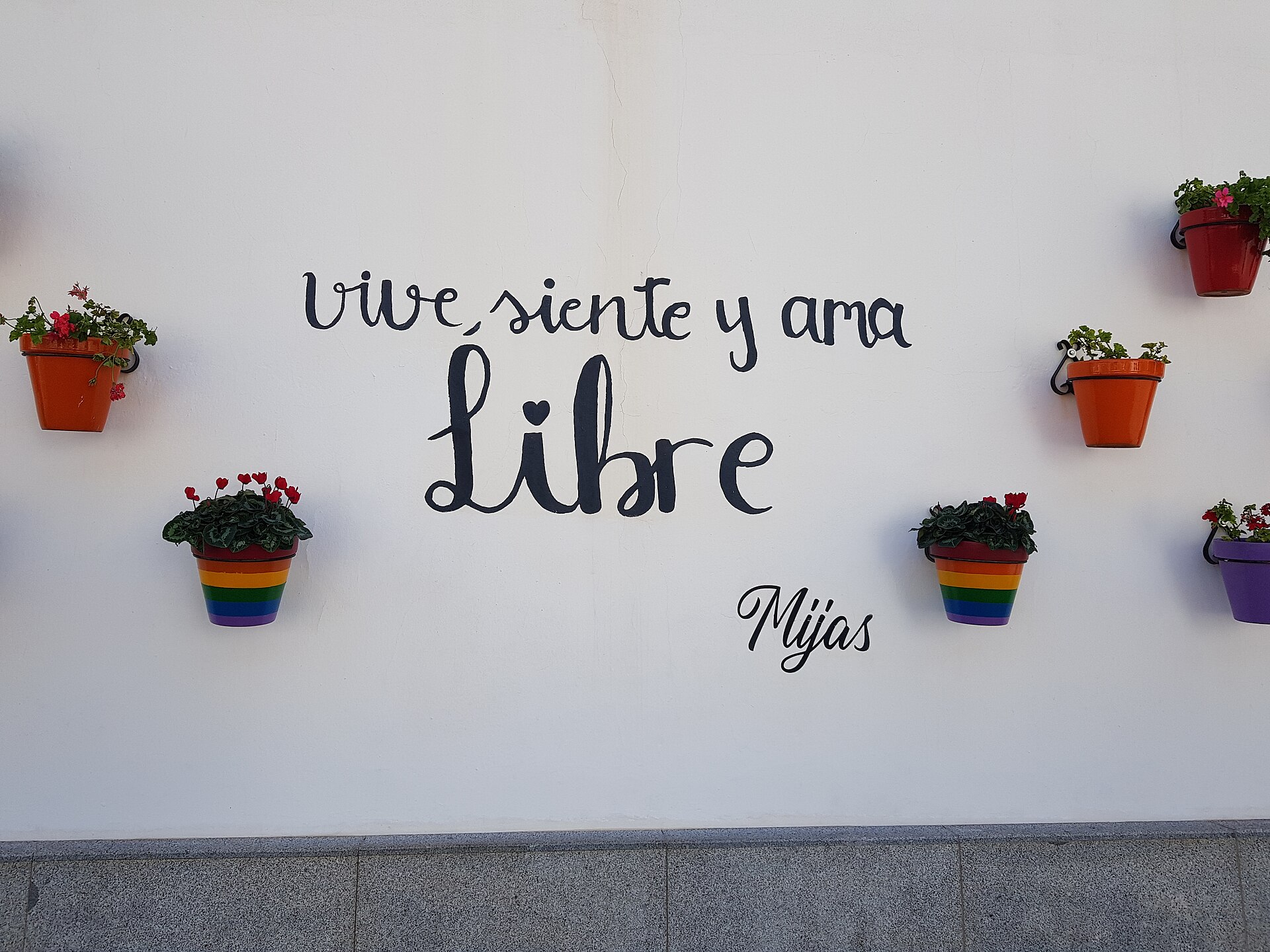
Most people on the Costa del Sol never get further than the beach bars of Fuengirola or Torremolinos, which is exactly why the smartest afternoon you can plan is the 30-minute drive up into the hills to Mijas Pueblo. It's the postcard "white village" everyone pictures when they imagine Andalucía — geranium pots, lime-washed walls, donkeys in the square — except it's a real working pueblo, not a film set. We send every visiting friend up here, and here's how to do it without falling into the obvious traps. Why bother leaving the coast. The resort strip below is fine for a swim and a beer, but it's flat, busy, and looks like a hundred other places. Mijas Pueblo sits at roughly 430 metres, clinging to the side of the Sierra de Mijas, and the temperature drops a noticeable few degrees as you climb — a genuine relief in July and August. On a clear day you can see the whole bay from Fuengirola round to Gibraltar and, when the haze lifts, the Rif mountains of Morocco across the water. What makes it worth the trip is the contrast. Down on the coast everything is built in the last 50 years. Up here the lanes are too narrow for two cars, the houses are whitewashed twice a year by hand, and within ten minutes of parking you've swapped sunbeds for a proper Andalusian hill town. For an afternoon, it genuinely beats the Costa del Sol resort strip. The viewpoints (start here). The single best thing to do is just walk the perimeter for the views. Three spots are worth aiming for: Mirador del Compás — the terrace beside the bullring at the top of the village. Free, open, and the classic panorama of the coast laid out below. The Muralla / Jardines de la Muralla — landscaped gardens along the old town wall on the Fuengirola-facing side, full of cascading plants and benches. Quiet in the late afternoon. Plaza de la Constitución — the main square, framed by the rock face and a good orientation point before you wander. The whole historic core is small — you can loop it in 30–40 minutes at a stroll — so don't over-plan. Half the pleasure is getting briefly lost in lanes like Calle San Sebastián, probably the most photographed street in the village, a cobbled alley of white walls and blue flowerpots. The donkey-taxi debate — what we tell people. You can't write honestly about Mijas without the burro-taxi. Since the 1960s, donkeys have ferried tourists around the village, and the painted carts and saddled donkeys still wait near the entrance off Avenida del Compás. A short ride runs around €10–15, a cart for a few people more. Here's the honest take: it's the village's most famous "thing" and also its most uncomfortable one. The animals stand in the heat for long hours, and welfare campaigners have pushed hard against it for years. The town has added shade, water and rest rules, but plenty of locals and regular visitors simply won't use it any more, and we don't either. Photograph the donkeys if you like, give them a wide berth in the midday sun, and walk the village on your own feet — it's tiny, and you'll see far more. If you want to support animals, the small donkey sanctuary projects in the wider area are a better place to put your money. Chapels, the bullring and the small museums. For its size, Mijas packs in a surprising number of little sights, almost all free or a euro or two: Ermita de la Virgen de la Peña — a tiny chapel carved straight into the rock by a Carmelite monk in the 1680s, just off the gardens. Cool, dim and genuinely atmospheric; it's the village's patron shrine. Iglesia de la Inmaculada Concepción — the main parish church, with a Mudéjar tower built over an old minaret. Climb up for another view. Plaza de Toros — the small oval (not rectangular) bullring from 1900, one of the most unusual in Spain. There's a modest museum; you can usually look in for a couple of euros even when nothing's on. CAC Mijas — a free contemporary art centre with a clutch of minor Picasso and Dalí ceramics. Small, but a nice air-conditioned 20 minutes. None of these need more than 15 minutes each, which is the point — graze, don't grind. Eating and drinking (and what to skip). The square and the main approach lanes are wall-to-wall tourist menús del día with laminated photos — fine in a pinch, but not why you came. Walk two streets back from the main drag and prices drop and quality rises. For a coffee or a caña with the coast spread out below you, the terrace cafés along the Muralla are hard to beat — you pay a small view premium, worth it once. For an actual meal, look for the places up the hill where you hear Spanish being spoken: simple plates of espetos aren't really a hill-town thing (those belong down on the best beaches), so up here go for grilled meats, croquetas, and local Mijas wine. Skip the first three restaurants you see on the way in from the car park; they exist purely on passing footfall. A sweet tip: there are a couple of old-school bakeries doing tortas and almond pastries — buy some to eat on a bench in the gardens rather than sitting down somewhere with a cover charge. Getting there and parking. By car from the coast it's genuinely about 25–30 minutes from Fuengirola, slightly more from Marbella or Málaga, up a well-signed but winding road. Do not try to drive into the old village — the lanes are barely car-width and you'll regret it. Park in the large underground car park at Plaza Virgen de la Peña right at the village entrance; it's cheap (a couple of euros an hour) and drops you 30 seconds from the gardens. No car? The M-122 bus run by Avanza connects Fuengirola bus station to Mijas Pueblo roughly hourly, takes about 25–30 minutes and costs only a few euros each way. From Fuengirola you can reach the coast on the C-1 Cercanías train from Málaga (and the airport), so the whole thing is doable on public transport in an afternoon. Practical tips. When to go: Late afternoon is ideal — softer light for the views, cooler lanes, and you can stay for sunset over the bay. Mornings before the coach tours arrive (they roll in around 11am) are the other sweet spot. Avoid the 12–3pm peak in summer. How long: Two to three hours is plenty for the core. Half a day if you linger over lunch. Crowds: It is undeniably touristy — that's the trade-off for being this pretty and this close to the coast. Visiting off-peak hours fixes most of it. Combine it: Pair Mijas Pueblo with a swim back down in Fuengirola, or make it part of a hill-town loop with Ronda further inland. Wear: Proper shoes — the cobbles are steep and slick. Bring a layer for the evening; it's cooler up here than on the sand. What to book: Nothing, really. This is a walk-up afternoon. Check the events calendar though — village fiestas like the September romería transform the place. Go for the views, skip the donkey ride, eat two streets back from the square, and you'll understand why Mijas Pueblo is the one inland trip even die-hard beach people don't regret.
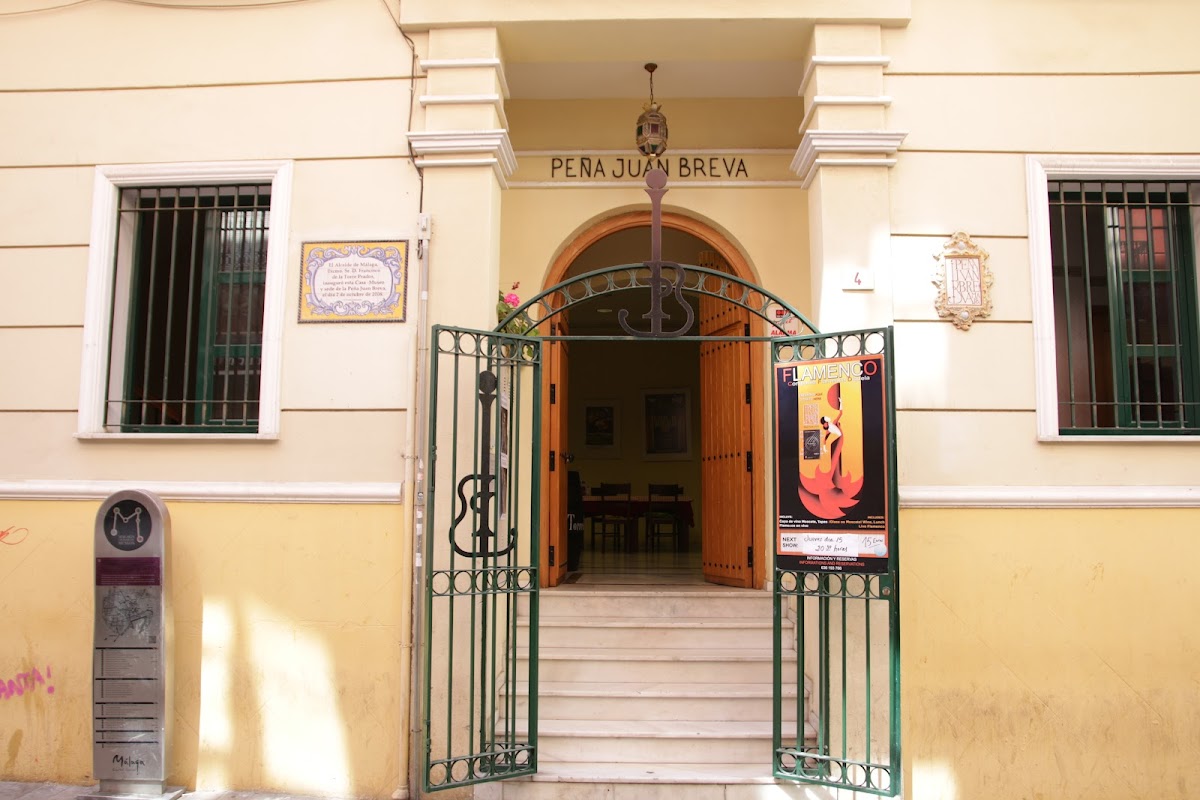
Flamenco Málagassa: aito vastaan turistishow
Hyvä flamencoesitys ei ole show — se on huone, jossa kitaristi, tanssija ja laulaja lukittuvat johonkin yhdessä, ja joko tunnet sen tai et. Málaga ei ole Sevilla eikä Jerez. Mutta kaupungissa on yllättävän laaja flamencokenttä: ilmaisista perjantai-illoista Espanjan vanhimmalla peñalla aina hiottuihin tablao-esityksiin risteilymatkustajille. Näin erotat ne toisistaan — ja mikä niistä sopii sinulle. Peña Juan Breva — Espanjan vanhin peña. Vuonna 1958 perustettu, Calle Beatasin sivukadulle kätketty Peña Juan Breva on Espanjan vanhin yhä toiminnassa oleva peña. Pohjakerroksessa on pieni museo, jossa on yli 5 000 ääniarkistoa, 2 500 CD-levyä ja 20 kitaraa — joista osa on yli kaksi vuosisataa vanhoja. Alakerrassa on tablao, joka järjestää perjantai-illan konsertin kello 20. Ilmainen sisäänpääsy. Yleisö on paikallista, esiintyjät amatöörien ja ammattilaisten sekoitus, ja numeroiden välissä he pysähtyvät juttelemaan salin kanssa. Tämä on flamencoa sellaisena kuin sen kuuluu olla: pientä, rehellistä ja silloin tällöin huikaisevan hyvää. Esitykset: perjantai klo 20 (toisinaan torstai tai lauantai — soita etukäteen) Museo: ma–la 10–14, lahjoitus 3 € Calle Ramón Franquelo 4, Málagan keskusta Puh: (+34) 952 22 13 80 tai (+34) 687 607 526 Teatro Cervantes — Kun suuret nimet käyvät. Joka huhtikuu Teatro Cervantes järjestää oman Flamenco Serás Tú -festivaalinsa, jossa esiintyy kansallisen tason artisteja, joita muuten näet vain Jerezissä tai Sevillassa. Muun vuoden flamencokonsertteja ilmestyy ohjelmaan säännöllisesti. Jo sisustus — kolme kerrosta, maalattu katto vuodelta 1870, lämmin kultainen valo — tekee illasta sellaisen, jota varten kannattaa pukeutua. Akustiikka on niin hyvä, että kuulet tanssijan jalan poljennan ylimmältä parvelta asti. Liput alkaen 12 €, pääesiintyjät jopa 40 € Tarkista ohjelma osoitteesta teatrocervantes.com Calle Ramos Marín, 2 min kävely Plaza de la Mercedistä Varaa hyvissä ajoin Flamenco Serás Tú -festivaalia varten Kelipé Centro de Arte Flamenco — Intiimi ja vakavasti otettava. Atarazanas-markkinoiden takana sijaitsee Kelipé — flamencokoulu, joka järjestää myös esityksiä. Juuri siksi, että se on koulu, taso on johdonmukaisesti korkea: vierailevat artistit pistäytyvät esiintymään oppilaille. Sali on pieni (noin 40 paikkaa), mikä tarkoittaa että istut kirjaimellisesti kolmen metrin päässä tanssijasta. Esitys on nimeltään Flamenco De Ley ja kestää noin tunnin. Jos haluat todella ymmärtää sen: varaa myös työpaja — iltapäivä oppilaiden joukossa opettaa duendesta enemmän kuin kymmenen esitystä. Esitykset keskiviikko–sunnuntai klo 20 Liput alkaen 28 € sisältäen yhden juoman Calle Muro de Puerta Nueva 10 Työpajat sopimuksesta osoitteessa kelipe.net Alegría Flamenco y Gastronomía — Tablao, joka tekee sen oikein. Lähellä satamaa, 2 minuutin päässä Pompidou-keskuksesta, Alegría on helpoimmin lähestyttävä vaihtoehto — ja samalla kaupungin parhaiten toteutettu turistitablao. Useita esityksiä päivässä, yleensä neljä artistia lavalla (tanssija, laulaja, kitaristi, lyömäsoittaja), mahdollisuus illalliseen terassilla ensin. Ei teeskentelyä aitoudesta — mutta ammattimaisesti esitetty spektaakkeli. Ihanteellinen, jos olet perheen tai ryhmän kanssa ja haluat ensimaiston flamencosta ilman outoja aikatauluja tai puhelinvarauksia. Esitykset päivittäin klo 17.30, 20.45 ja 22.30 Liput alkaen 28 €, illallinen varataan erikseen Calle Vélez Málaga 6, Málaga-Este Varhainen esitys on yleensä vähemmän täynnä Näin valitset. Ensimmäinen kerta flamencossa ja vain yksi ilta kaupungissa? Alegría tai Kelipé — taatusti hyvä show. Ollut tablaossa aiemmin ja haluat jotain aitoa? Peña Juan Breva perjantai-iltana. Tule ajoissa — sali on pieni. Olet fani ja ohjelmassa on iso nimi? Teatro Cervantes, permanto tai ensimmäinen rivi. Sinulla on koko ilta ja utelias vatsa? Vino Mio tai Los Amayas — illallinen plus show, vähemmän intensiivinen mutta sosiaalinen. Duende — mitä kuunnella. Flamenco ei toimi koreografialla. Kitaristi, laulaja ja tanssija kuuntelevat toisiaan, nopeuttavat, vetävät takaisin, kimpoavat toisistaan. Hetkeä, jolloin kaikki kolme lukittuvat samaan uomaan, kutsutaan nimellä duende — kirjaimellisesti 'henki' — ja silloin yleisö alkaa huutaa 'Olé!', vaikka mitään ilmeistä ei tapahtuisikaan. Jos et ole koskaan tuntenut sitä esityksessä: mene Peña Juan Brevalle. Mene neljä kertaa, jos on pakko.
Usein kysytyt kysymykset aiheesta kulttuuri
Mistä näen aitoa flamencoa turistishowjen sijaan?+
Málagassa: Peña Juan Breva, perinteinen flamencoyhdistys vanhassakaupungissa — torstai-iltaisin klo 21 alkaen, jäsenille ilmainen, vierailijoille pieni maksu. Marbellassa: Ana María Paseo Marítimolla illallisesityksiin. Vältä paikkoja, joissa on bussilasteittain ryhmämatkalaisia — ne ovat valokuvaa varten, eivät musiikkia.
Onko Granadan Alhambra tehtävissä päiväretkenä Marbellasta?+
Kyllä, mutta tiukasti. Ajomatka on puolitoista tuntia, ja Alhambran alueella tarvitset vähintään kolme tuntia. Varaa liput vähintään kuukautta etukäteen — niitä ei enää myydä portilla. Lähde ennen klo 8 ja varaa aikaa myös Albaicínin kaupunginosalle ja lounaalle Plaza Largalla.
Mitä ehdin nähdä Málagassa yhdessä päivässä?+
Aloita Mercado de Atarazanasilta (aamiainen + ostokset), kävele Calle Lariosia alas katedraalille. Picasso-museo vaatii vähintään kaksi tuntia. Lounas El Pimpissä. Sitten ylös Alcazabaan ja roomalaiseen teatteriin. Illalla: Muelle Uno auringonlaskun aikaan. Varaa neljä tuntia pelkkiin museoihin.