
Culture
Flamenco, histoire mauresque, art contemporain et les vieilles villes où la Costa del Sol a commencé bien avant l'arrivée des touristes.
Frigiliana & Nerja: The Costa del Sol's Prettiest Corner
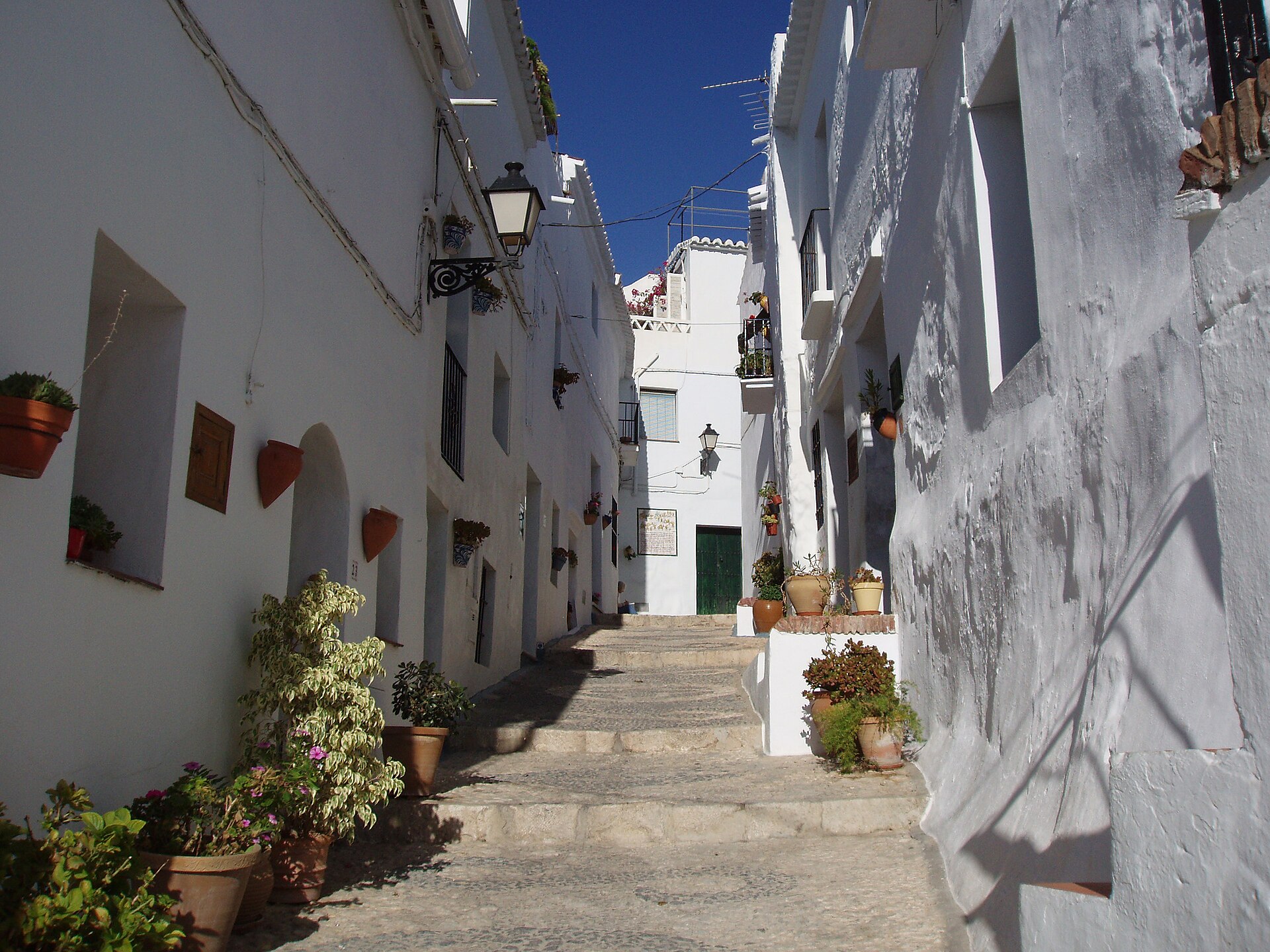
Ask anyone who's lived here a while where the Costa del Sol is still genuinely pretty — not the high-rise stretch, the real thing — and they'll point east, past Málaga, to where the Sierra de Almijara drops almost straight into the sea. That's Nerja, and 7km up the switchbacks behind it, Frigiliana. We do this pair as a single day trip a couple of times a season, and it's the one we send visiting friends to do first. Here's how to combine both properly, what's worth your time, and what's quietly a tourist trap. Start at the Balcón de Europa. Nerja's old town funnels everyone down to the Balcón de Europa, a palm-lined promenade built on the stump of a clifftop fortress. It juts out over the sea with a 180-degree view of coves and the mountains behind. It's genuinely beautiful and genuinely mobbed — there's a busker, a guy who'll draw your caricature, and at the very tip a bronze statue of King Alfonso XII that every tourist photographs. Get there before 11am or after 6pm. Midday in July it's shoulder-to-shoulder. The streets feeding into it — Calle Pintada, Calle Almirante Ferrándiz (locals still call it Calle Cristo) — are the prettiest, whitewashed and tiled, and where the better restaurants hide. Down the steps on either side are Nerja's town beaches: Playa Calahonda — tiny, sheltered, right under the Balcón. Charming but it fills by 10am. Playa Burriana — the big one, 800m of sand a 15-minute walk east, with proper chiringuitos. This is where you actually swim and eat. If you only swim once in Nerja, make it Burriana and have lunch at Ayo's, the paella place at the far end that's been cooking rice in giant pans over orange-wood fires since the 1960s. The all-you-can-eat paella is around €11 and the spectacle is half the point. The Nerja Caves — go, but manage expectations. The Cuevas de Nerja, 4km east of town, are a genuine natural wonder — vast caverns with one of the world's largest stalactite columns, lit theatrically. Tickets are about €15 (children cheaper), and you should book online for a timed slot in summer because the on-the-day queue is brutal. Honest take: it's impressive for 30–40 minutes, the walkways are well-made, and it's blessedly cool when it's 33°C outside. But it's a one-way loop, fairly quick, and the gift-shop-and-coach-park energy at the entrance is strong. If your day is tight, the caves are the thing I'd cut before the coves. Bus N-3 runs out here from the centre, or it's a €7–8 taxi. The Maro coves — the part most people miss. This is the secret that isn't really a secret anymore but still feels like one. East of the caves, around the hamlet of Maro, the Acantilados de Maro-Cerro Gordo cliffs hide a string of small, clear-water coves backed by a waterfall. Playa de Maro is the easiest — there's a dirt car park above and a steepish path down (10 minutes, wear real shoes, not flip-flops). The water is the clearest on this whole coast. In summer the access road to the cove gets restricted and you may have to park up top and walk, or use the seasonal shuttle. Kayak operators on Burriana run morning trips along these cliffs to the waterfall for around €30–35, which honestly is the best way to see them and skips the parking headache entirely. For more on where the good swimming is along the coast, our best beaches guide has the full list. Up to Frigiliana. Now drive (or bus) the 7km up. The M-345 bus from Nerja's bus stop on Avenida de Pescia runs roughly hourly, takes about 15 minutes and costs around €1.20. By car it's ten minutes of tight bends with a car park at the bottom of the village — don't try to drive into the old town, the streets are donkey-width and you will regret it. Frigiliana repeatedly wins "prettiest village in Andalucía" polls and you'll see why in about four steps. The Barribarto quarter — the old Moorish kasbah — is a vertical maze of dazzling-white houses, cobbled ramps, blue plant pots, bougainvillea spilling over everything, and ceramic plaques telling the (bloody) story of the 1569 Morisco rebellion. It's small. You can walk the whole historic core in 90 minutes including coffee stops, and that's the right amount of time. Things worth doing here: Buy a bottle of miel de caña (sugarcane molasses) from Nuestra Señora del Carmen, the last cane-honey mill of its kind in Europe, right in the village. Climb to the top for the viewpoint over the valley to the sea — the higher you go, the fewer people. Eat at a place with a terrace. El Mirador de Frigiliana and the little bars around Plaza de las Tres Culturas do honest Andalusian food; a plate of local goat, a glass of wine and the view is the whole experience. The downside: the lower main street is wall-to-wall souvenir shops selling the same fridge magnets, and a few "típico" restaurants on the through-road are overpriced and forgettable. Climb past them. The magic is in the upper lanes where nobody's selling you anything. Combining both in one day. The rhythm we use: Morning — arrive in Nerja by 9.30, walk the Balcón before the crowds, swim at Burriana. Lunch — paella at Ayo's or a long lunch on Calle Cristo. Early afternoon — either the caves (cool, indoors, good for the hottest hours) or a kayak to the Maro coves. Late afternoon — drive up to Frigiliana for golden hour, when the white walls turn warm and the day-trippers have left. Evening — dinner on a Frigiliana terrace, then the dark drive back down. That's a full, satisfying day. Don't try to add the caves and the coves and a long beach session — something will feel rushed. Best season. Late May, June, and September are the sweet spot: warm sea, long days, and Frigiliana's lanes not yet crammed. July and August are hot and very busy — go early and late, never midday. The Festival de las Tres Culturas in Frigiliana (usually late August) is wonderful but packs the village. April and October are lovely for walking but the sea is still bracing; our sea-temperature page tells you when it's actually swimmable. Practical tips. Getting there: From Málaga, the Avanza/ALSA bus to Nerja runs frequently from the bus station (~1 hour, around €5). By car it's the A-7 motorway, about 50 minutes. From the western resorts, see our Nerja page for routes — it's a solid 75–90 minutes from Marbella. Park smart: Use Nerja's underground car park near Plaza de España, and Frigiliana's lot at the foot of the village. Don't circle the old towns hunting for street parking. Book ahead: Cave tickets online in summer; kayak trips a day or two ahead. Restaurants generally don't need booking except August evenings in Frigiliana. Wear proper shoes for the cove paths and Frigiliana's cobbles. Bring water — the village climb is hot. Skip if short on time: the lower souvenir strip in Frigiliana and the day's third activity. Less, done well, beats a checklist. Do it right and this is the corner of the coast people remember long after the beach resorts blur together.
Le Vieux Centre de Marbella : Ce qui Attend au-delà de la Plaza de los Naranjos
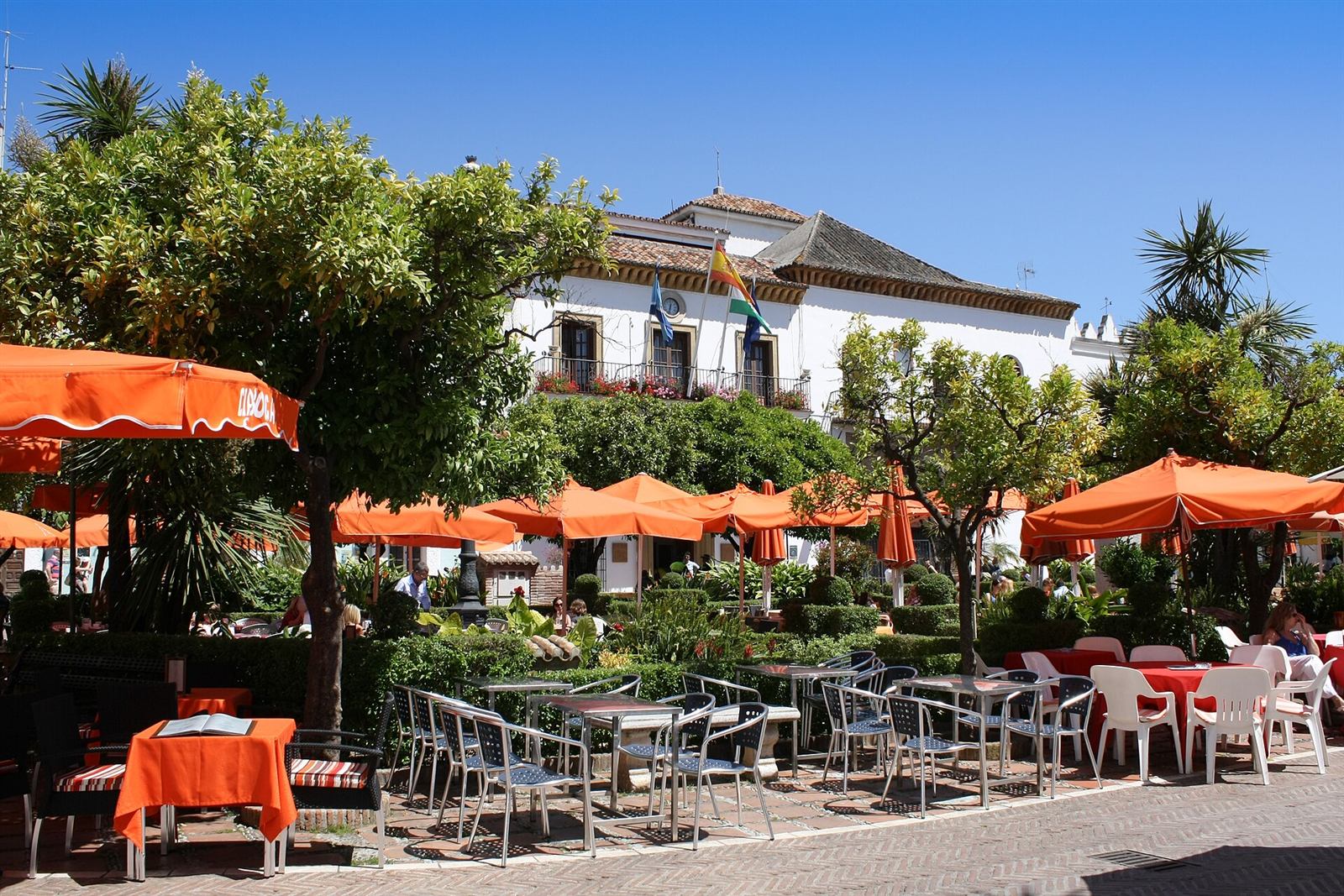
La Plaza de los Naranjos reçoit 95% des photos d'Instagram du vieux centre de Marbella. Ce que tu perds en restant là: quatre siècles d'histoire ecclésiastique, une marisquería qui sert des gambas crues depuis 1958, et la rue la plus étroite d'Andalousie hors Séville. Voici la boucle dans le casco antiguo de Marbella que font les locaux. Plaza de los Naranjos — Passe, ne reste pas. La Plaza de los Naranjos a 12 orangers, une fontaine du 16e siècle, l'hôtel de ville de 1568 et six restaurants avec terrasses qui demandent en juillet/août €8 pour une bière et €18 pour une paella. Viens — fais la photo — continue à pied. Nous utilisons la plaza comme repère, pas comme destination. Qui veut manger ici le fait en janvier quand les locaux récupèrent la terrasse. Meilleure heure: 09:00-10:30 (calme, café léger) Hôtel de ville (Ayuntamiento) gratuit à voir côté est Astuce: la fontaine porte une inscription de 1504 que personne ne remarque — regarde Iglesia de la Encarnación — Beauté baroque andalouse. À cinq minutes à pied de la plaza, sur la Calle de la Iglesia, se dresse l'Iglesia de Nuestra Señora de la Encarnación — construite 1505-1515 sur les fondations d'une mosquée, puis reconstruite en 1748 en plein baroque andalou. Les fresques à l'intérieur valent 15 minutes de contemplation. Nous y sommes allés en décembre pour la messe de Noël — gratuit, ouvert à tous, pas de touristes. C'est l'un des rares endroits à Marbella où tu te trouves vraiment dans la ville d'avant le boom touristique. Ouvert: tous les jours 09:30-13:00 et 18:00-20:30, gratuit Astuce: le vendredi soir il y a régulièrement un récital d'orgue À ne pas manquer: l'autel en argent de 1788 (nef gauche) Calle Aduar et les ruelles — Authenticité blanche et étroite. Depuis la Plaza, marche au nord par Calle Aduar — la plus étroite du Casco Antiguo de Marbella (1,8 mètre à certains endroits). Ici tu trouves les murs blancs avec bougainvillées fuchsia-et-rouge qui sont sur toutes les cartes postales — sans la foule de la plaza. Continue jusqu'à Calle Buitrago, puis Calle Remedios, puis retour par Calle de los Caballeros. Nous faisons cette boucle tous les vendredis matin en mai — une heure, sans plan, juste des murs du 16e siècle. Meilleure heure: avant 11:00 ou après 18:00 À ne pas manquer: la plaque au Calle Buitrago 12 (maison natale d'un prêtre du 17e siècle) Astuce: regarde en haut — beaucoup de maisons ont des carreaux géométriques mudéjars sur les seuils Restaurante Altamirano — Marisquería depuis 1958. Altamirano sur la Plaza Altamirano (200 mètres de la Plaza de los Naranjos) existe depuis 1958 et sert pescaíto, marisco et poisson grillé sur une terrasse ombragée pour 60 personnes. Nous venons depuis 2018, au moins cinq fois par an — rien ne change. Commande les gambas blancas (€16 la ración), les chocos a la plancha (€14) et une bouteille de Verdejo Rueda (€18). Compte €35-45 p.p. avec boisson — pour le Casco Antiguo de Marbella un tarif normal. Ouvert: tous les jours 13:00-16:00 et 20:00-23:30 Réservation oui, +34 952 824 932 — déjeuner habituellement OK, soir réserve avant Astuce: demande la table 14, table d'angle avec vue sur toute la place Ermita de Santiago — La chapelle du 15e siècle cachée dans les murs. L'Ermita de Santiago est la structure religieuse la plus ancienne de toute Marbella — une chapelle du 15e siècle construite juste après la Reconquista chrétienne de 1485. Elle se cache dans la Calle Carmen, et n'ouvre que pour des occasions spéciales. Nous avons vu l'intérieur deux fois (funérailles, anniversaire d'un saint local) — un intérieur gothique de 6×4 mètres si intime qu'on chuchote. De l'extérieur: le linteau mudéjar avec les armoiries royales espagnoles vaut le détour à lui seul. Ouvert: rarement, généralement seulement pendant les fêtes locales Extérieur: gratuit à voir, 24/7 Astuce: demande à l'Iglesia de la Encarnación pour la prochaine ouverture Itinéraire pratique du vieux centre. Départ: Plaza de la Iglesia (gare-toi au Recinto Ferial en bas) Boucle recommandée: Iglesia → Calle Carmen (Ermita) → Plaza Altamirano (déjeuner) → Plaza Naranjos → Calle Aduar → Calle Buitrago → retour par Calle Remedios Temps: 2-3 heures avec déjeuner Meilleurs mois: mai + juin + octobre (doux) Astuce: combine avec l'Avenida del Mar (jardin de sculptures Dalí) — 10 min à pied du centre vers la mer
Nerja et les Grottes : Plus qu'un Piège à Touristes si Tu Joues les Horaires
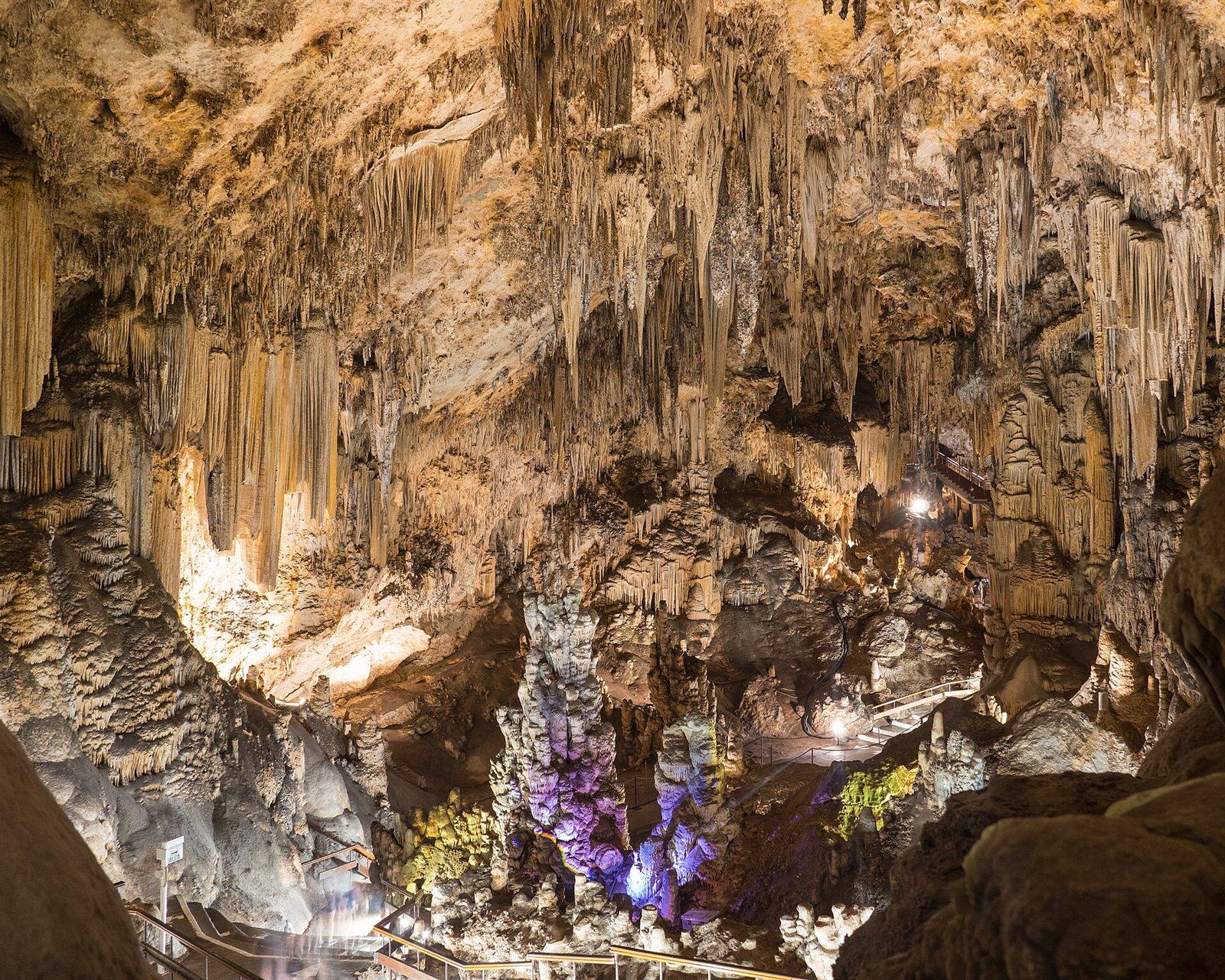
Les Cuevas de Nerja figurent sur toutes les listes top 10 de la Costa del Sol — ce qui en fait aussi l'un des 10 pièges à touristes. Mais si tu es à l'intérieur avant 11:00, que tu planifies ta journée autour, et que tu manges aux bons endroits, ça reste l'une des excursions les plus spectaculaires depuis la côte. Voici la version des locaux. Cuevas de Nerja — L'astuce est l'horaire, pas le tour. Les Cuevas de Nerja ont été découvertes en 1959 par cinq garçons qui cherchaient des chauves-souris. Les grottes contiennent des peintures paléolithiques (certaines vieilles de 42 000 ans — débat archéologique pour savoir si ce sont les plus anciennes du monde), la plus grande stalagmite du monde (32 m), et une salle amphithéâtre naturelle qui accueille en juillet/août le Festival Internacional Cueva de Nerja. Nous y sommes allés en octobre dernier à 10:00 — quinze minutes d'attente, deux autobus de tourisme devant nous; à 11:30 trois autres étaient arrivés. Voilà la différence. Ouvert: 09:00-19:00 (juin-septembre), 09:00-16:30 (reste) Prix: €15 adultes, €13 enfant 6-12 ans Astuce: achète le ticket en ligne la veille au soir, arrive à 09:45 Évite le tour: prends l'audioguide (€3 extra), pas le tour en direct Balcón de Europa — La vue et le centre de Nerja. Après les grottes, conduis 5 min jusqu'au centre de Nerja et gare-toi au Parking del Balcón. Le Balcón de Europa est le mirador-promenade iconique avec palmiers, balustrade en marbre blanc et vue sur la Sierra Almijara — gratuit, sans attente. Nous allons toujours directement à l'extrémité est (la plupart des gens restent côté ouest) — de là tu vois les deux plages à la fois et le photographe a le soleil dans le dos. Meilleure heure: 11:30-12:30 ou après 17:00 Café: Café Rubens sur le Balcón fait un espresso sérieux (€2) Astuce: continue jusqu'à la Calle Carabeo pour les restaurants en terrasse avec la VRAIE vue Playa de Burriana + Chiringuito Ayo — Paella sur le sable. La Playa de Burriana est la grande plage de Nerja — 800 m de sable, eau claire, et côté est: le Chiringuito Ayo, qui sert de la paella à volonté pour €13 par personne au déjeuner. Ayo García (le fondateur) faisait la poêle lui-même tous les jours pendant 50 ans — il est décédé en 2023, son fils tient maintenant, et la qualité est exactement la même. Nous y venons au moins une fois par vacances — arrive à 13:15 (première paella prête à 13:30). Ouvert: tous les jours 12:00-22:00 (avril-octobre) Spécial paella: à volonté €13 par personne, tous les jours 13:30-15:30 Astuce: demande la croûte de riz au fond (socarrat) de la deuxième poêle Stationnement: gratuit le long du paseo, plein dès 12:00 Frigiliana — La ville blanche à 10 minutes de Nerja. Beaucoup de gens oublient que Nerja a une ville d'excursion à côté: Frigiliana, à 7 km dans les terres. Un village entièrement blanc sur un flanc de montagne, des ruelles étroites avec pots de fleurs, et le plus beau quartier mauresque ancien de toute la Costa del Sol. Nous nous garons à la bordure extérieure et montons à pied — une heure suffit pour le centre. Le mercredi matin il y a le marché de rue où on vend du miel de Frigiliana (le festival du miel fin avril/début mai est célèbre). Gratuit à visiter Meilleure heure: avant 11:00 ou après 17:00 (midi tape) Manger: Bar El Mirador pour déjeuner, El Adarve pour un dîner plus complet Miel: achète à La Casa del Apicultor au centre Manger dans le vieux Nerja — Pas au Balcón. Les restaurants directement sur le Balcón de Europa sont principalement à des prix touristiques — €18 pour une paella surgelée. Marche une rue au nord (Calle Pintada) et tu trouves Bar Patanegra (€12 menu del día avec jamón ibérico) ou El Pulguilla pour des tapas (€2-4 la pièce, tapa gratuite avec chaque boisson). Nous mangeons toujours ici après les grottes — cette différence entre la zone touriste et la zone locale fait exactement une rue. Bar Patanegra: Calle Pintada 9, tous les jours 12:00-15:30 et 19:00-23:00 El Pulguilla: Calle Almirante Ferrándiz 26, tous les jours sauf lundi Astuce: chez El Pulguilla tu reçois une tapa gratuite par boisson — trois bières font un déjeuner complet Pratique: route depuis Marbella. Voiture: A-7 vers l'est, 90-110 min (Marbella → Nerja, ~120 km) Bus: ALSA direct Marbella → Nerja, 2 heures, €14 aller Meilleurs mois: mai + juin + septembre + octobre (été = 35°C+ dans les grottes et la ville) Horaire: départ 08:30 → 10:00 grottes → 11:30 Balcón → 13:30 paella Burriana → 16:00 Frigiliana → 19:00 retour = journée complète Combiner avec Caminito del Rey impossible en excursion d'une journée — choisis l'un ou l'autre
Mijas Pueblo: The White Village Above the Costa del Sol
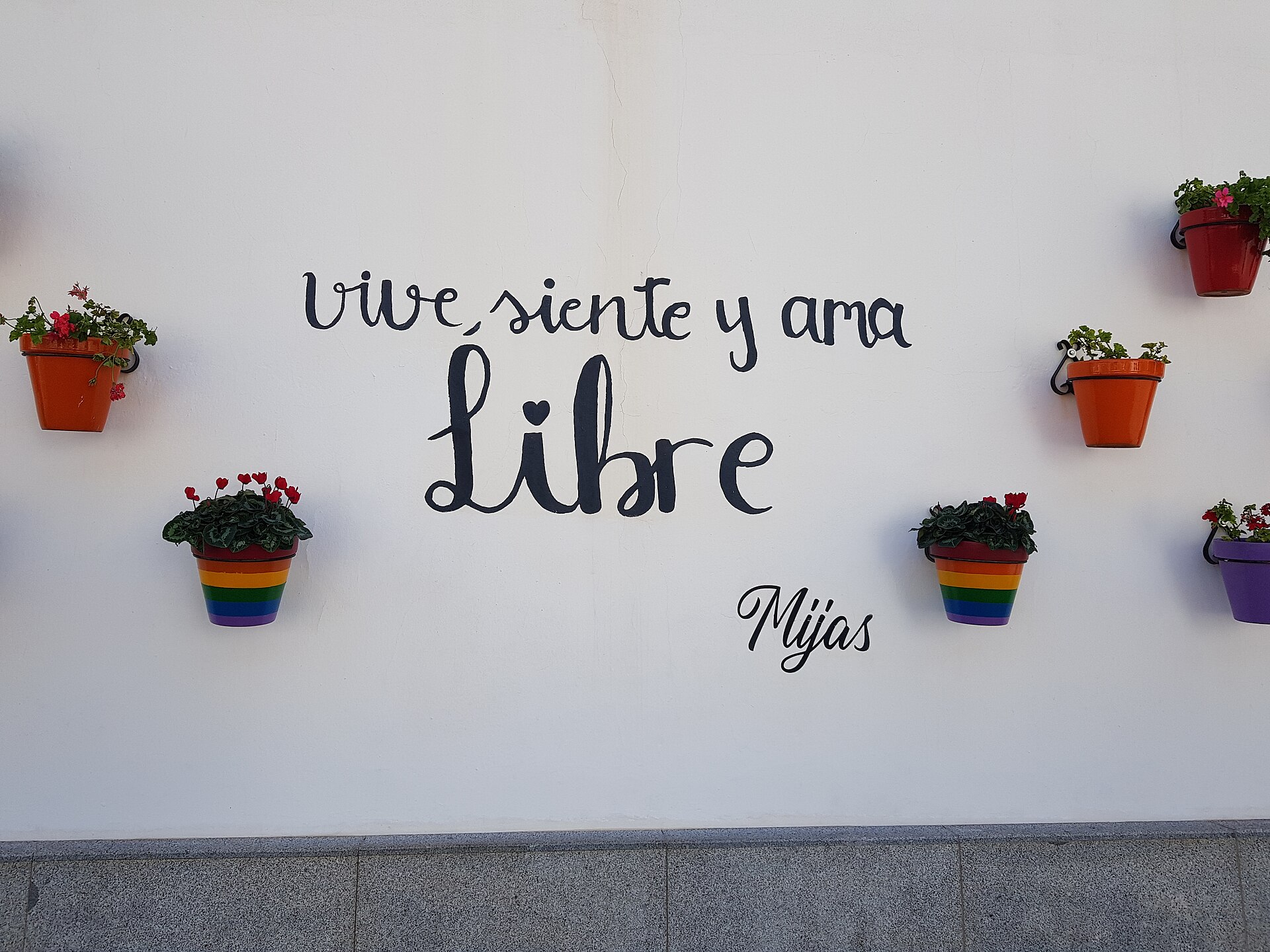
Most people on the Costa del Sol never get further than the beach bars of Fuengirola or Torremolinos, which is exactly why the smartest afternoon you can plan is the 30-minute drive up into the hills to Mijas Pueblo. It's the postcard "white village" everyone pictures when they imagine Andalucía — geranium pots, lime-washed walls, donkeys in the square — except it's a real working pueblo, not a film set. We send every visiting friend up here, and here's how to do it without falling into the obvious traps. Why bother leaving the coast. The resort strip below is fine for a swim and a beer, but it's flat, busy, and looks like a hundred other places. Mijas Pueblo sits at roughly 430 metres, clinging to the side of the Sierra de Mijas, and the temperature drops a noticeable few degrees as you climb — a genuine relief in July and August. On a clear day you can see the whole bay from Fuengirola round to Gibraltar and, when the haze lifts, the Rif mountains of Morocco across the water. What makes it worth the trip is the contrast. Down on the coast everything is built in the last 50 years. Up here the lanes are too narrow for two cars, the houses are whitewashed twice a year by hand, and within ten minutes of parking you've swapped sunbeds for a proper Andalusian hill town. For an afternoon, it genuinely beats the Costa del Sol resort strip. The viewpoints (start here). The single best thing to do is just walk the perimeter for the views. Three spots are worth aiming for: Mirador del Compás — the terrace beside the bullring at the top of the village. Free, open, and the classic panorama of the coast laid out below. The Muralla / Jardines de la Muralla — landscaped gardens along the old town wall on the Fuengirola-facing side, full of cascading plants and benches. Quiet in the late afternoon. Plaza de la Constitución — the main square, framed by the rock face and a good orientation point before you wander. The whole historic core is small — you can loop it in 30–40 minutes at a stroll — so don't over-plan. Half the pleasure is getting briefly lost in lanes like Calle San Sebastián, probably the most photographed street in the village, a cobbled alley of white walls and blue flowerpots. The donkey-taxi debate — what we tell people. You can't write honestly about Mijas without the burro-taxi. Since the 1960s, donkeys have ferried tourists around the village, and the painted carts and saddled donkeys still wait near the entrance off Avenida del Compás. A short ride runs around €10–15, a cart for a few people more. Here's the honest take: it's the village's most famous "thing" and also its most uncomfortable one. The animals stand in the heat for long hours, and welfare campaigners have pushed hard against it for years. The town has added shade, water and rest rules, but plenty of locals and regular visitors simply won't use it any more, and we don't either. Photograph the donkeys if you like, give them a wide berth in the midday sun, and walk the village on your own feet — it's tiny, and you'll see far more. If you want to support animals, the small donkey sanctuary projects in the wider area are a better place to put your money. Chapels, the bullring and the small museums. For its size, Mijas packs in a surprising number of little sights, almost all free or a euro or two: Ermita de la Virgen de la Peña — a tiny chapel carved straight into the rock by a Carmelite monk in the 1680s, just off the gardens. Cool, dim and genuinely atmospheric; it's the village's patron shrine. Iglesia de la Inmaculada Concepción — the main parish church, with a Mudéjar tower built over an old minaret. Climb up for another view. Plaza de Toros — the small oval (not rectangular) bullring from 1900, one of the most unusual in Spain. There's a modest museum; you can usually look in for a couple of euros even when nothing's on. CAC Mijas — a free contemporary art centre with a clutch of minor Picasso and Dalí ceramics. Small, but a nice air-conditioned 20 minutes. None of these need more than 15 minutes each, which is the point — graze, don't grind. Eating and drinking (and what to skip). The square and the main approach lanes are wall-to-wall tourist menús del día with laminated photos — fine in a pinch, but not why you came. Walk two streets back from the main drag and prices drop and quality rises. For a coffee or a caña with the coast spread out below you, the terrace cafés along the Muralla are hard to beat — you pay a small view premium, worth it once. For an actual meal, look for the places up the hill where you hear Spanish being spoken: simple plates of espetos aren't really a hill-town thing (those belong down on the best beaches), so up here go for grilled meats, croquetas, and local Mijas wine. Skip the first three restaurants you see on the way in from the car park; they exist purely on passing footfall. A sweet tip: there are a couple of old-school bakeries doing tortas and almond pastries — buy some to eat on a bench in the gardens rather than sitting down somewhere with a cover charge. Getting there and parking. By car from the coast it's genuinely about 25–30 minutes from Fuengirola, slightly more from Marbella or Málaga, up a well-signed but winding road. Do not try to drive into the old village — the lanes are barely car-width and you'll regret it. Park in the large underground car park at Plaza Virgen de la Peña right at the village entrance; it's cheap (a couple of euros an hour) and drops you 30 seconds from the gardens. No car? The M-122 bus run by Avanza connects Fuengirola bus station to Mijas Pueblo roughly hourly, takes about 25–30 minutes and costs only a few euros each way. From Fuengirola you can reach the coast on the C-1 Cercanías train from Málaga (and the airport), so the whole thing is doable on public transport in an afternoon. Practical tips. When to go: Late afternoon is ideal — softer light for the views, cooler lanes, and you can stay for sunset over the bay. Mornings before the coach tours arrive (they roll in around 11am) are the other sweet spot. Avoid the 12–3pm peak in summer. How long: Two to three hours is plenty for the core. Half a day if you linger over lunch. Crowds: It is undeniably touristy — that's the trade-off for being this pretty and this close to the coast. Visiting off-peak hours fixes most of it. Combine it: Pair Mijas Pueblo with a swim back down in Fuengirola, or make it part of a hill-town loop with Ronda further inland. Wear: Proper shoes — the cobbles are steep and slick. Bring a layer for the evening; it's cooler up here than on the sand. What to book: Nothing, really. This is a walk-up afternoon. Check the events calendar though — village fiestas like the September romería transform the place. Go for the views, skip the donkey ride, eat two streets back from the square, and you'll understand why Mijas Pueblo is the one inland trip even die-hard beach people don't regret.
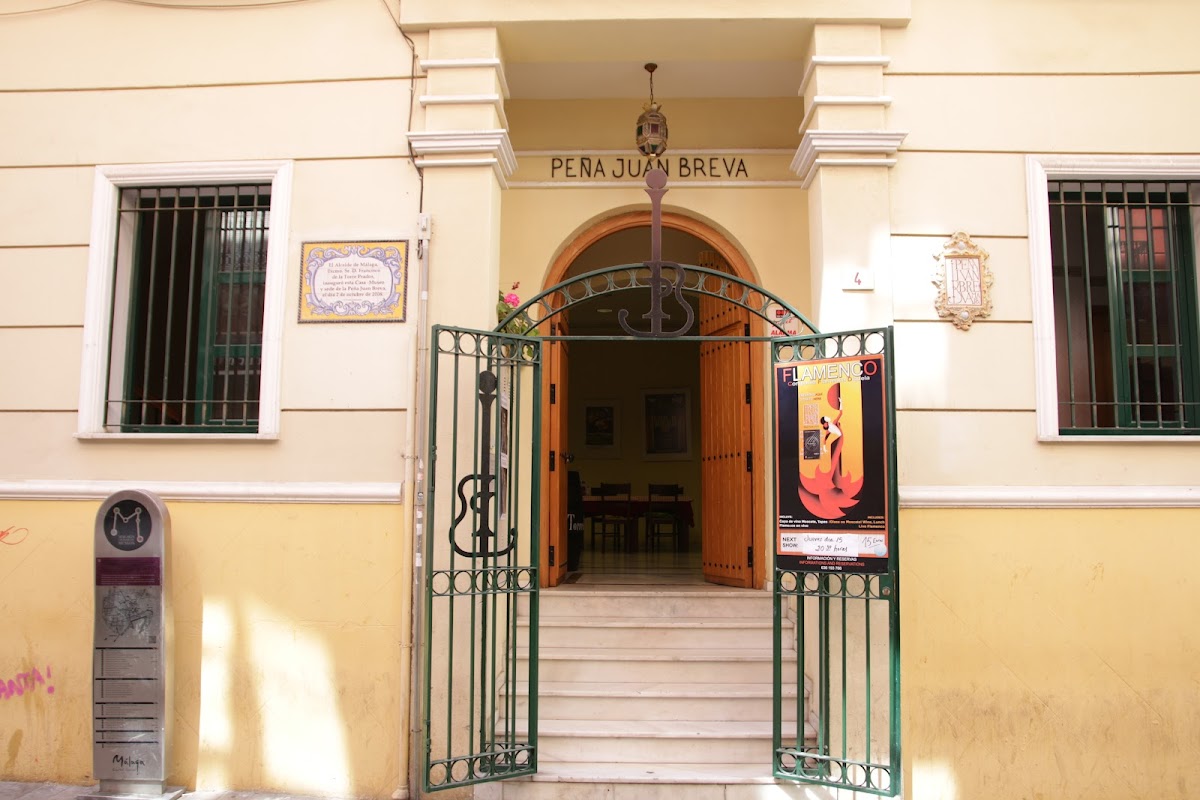
Le flamenco à Málaga : l'authentique contre le spectacle touristique
Un bon spectacle de flamenco n'est pas un spectacle — c'est une salle où le guitariste, le danseur et le chanteur s'accordent sur quelque chose, et où vous le ressentez ou non. Málaga n'est ni Séville ni Jerez. Mais la ville possède une scène flamenco étonnamment riche: des vendredis soir gratuits dans la plus ancienne peña d'Espagne aux tablaos léchés pour passagers de croisière. Voici comment les distinguer — et lequel est fait pour vous. Peña Juan Breva — La plus ancienne peña d'Espagne. Fondée en 1958, nichée dans une ruelle perpendiculaire à la Calle Beatas, la Peña Juan Breva est la plus ancienne peña encore en activité en Espagne. Le rez-de-chaussée abrite un petit musée qui conserve plus de 5 000 archives sonores, 2 500 CD et 20 guitares — dont certaines ont plus de deux siècles. En sous-sol, un tablao accueille un récital le vendredi soir à 20 h. Entrée gratuite. Le public est local, les artistes mêlent amateurs et professionnels, et entre deux numéros ils s'arrêtent pour bavarder avec la salle. C'est le flamenco tel qu'il doit être: intime, sincère et, de temps à autre, d'une justesse vertigineuse. Spectacles: vendredi 20 h (parfois jeudi ou samedi — appelez avant) Musée: lun.–sam. 10 h–14 h, don de 3 € Calle Ramón Franquelo 4, centre de Málaga Tél.: (+34) 952 22 13 80 ou (+34) 687 607 526 Teatro Cervantes — Quand les grands noms passent. Chaque mois d'avril, le Teatro Cervantes organise son propre festival Flamenco Serás Tú, avec des artistes de niveau national que l'on ne voit d'ordinaire qu'à Jerez ou à Séville. Le reste de l'année, des concerts de flamenco figurent régulièrement au programme. L'intérieur à lui seul — trois étages, un plafond peint de 1870, une lumière dorée et chaleureuse — fait de la soirée un moment pour lequel on se met sur son trente-et-un. L'acoustique est si bonne que l'on entend le martèlement du danseur depuis le dernier balcon. Billets à partir de 12 €, têtes d'affiche jusqu'à 40 € Consultez le programme sur teatrocervantes.com Calle Ramos Marín, à 2 min à pied de la Plaza de la Merced Réservez bien à l'avance pour Flamenco Serás Tú Kelipé Centro de Arte Flamenco — Intime et exigeant. Derrière le marché d'Atarazanas se trouve Kelipé — une école de flamenco qui propose aussi des spectacles. Parce que c'est une école, le niveau est toujours élevé: des artistes invités viennent se produire pour les élèves. La salle est petite (une quarantaine de places), ce qui signifie que vous êtes littéralement à trois mètres du danseur. Le spectacle s'appelle Flamenco De Ley et dure environ une heure. Si vous voulez vraiment comprendre: réservez aussi un atelier — un après-midi parmi les élèves vous en apprendra davantage sur le duende que dix spectacles. Spectacles du mercredi au dimanche à 20 h Billets à partir de 28 €, une boisson incluse Calle Muro de Puerta Nueva 10 Ateliers sur rendez-vous via kelipe.net Alegría Flamenco y Gastronomía — Le tablao bien fait. Proche du port, à 2 minutes du centre Pompidou, Alegría est l'option la plus accessible — et en même temps le tablao touristique le mieux exécuté de la ville. Plusieurs spectacles par jour, généralement quatre artistes sur scène (danseuse, chanteur, guitariste, percussion), avec la possibilité de dîner sur la terrasse au préalable. Aucune prétention à l'authenticité, mais un spectacle mené avec brio. Idéal si vous êtes en famille ou en groupe et que vous voulez un premier aperçu du flamenco sans jongler avec des horaires bizarres ni des réservations par téléphone. Spectacles tous les jours à 17 h 30, 20 h 45 et 22 h 30 Billets à partir de 28 €, dîner réservable séparément Calle Vélez Málaga 6, Málaga-Este Le spectacle du début de soirée est généralement moins bondé Comment choisir. Première fois que vous voyez du flamenco et une seule soirée en ville? Alegría ou Kelipé — un bon spectacle garanti. Déjà allé dans un tablao et envie de quelque chose d'authentique? Peña Juan Breva un vendredi soir. Venez tôt — la salle est petite. Vous êtes amateur et un grand nom est à l'affiche? Teatro Cervantes, parterre ou premier étage. Vous avez toute une soirée et un estomac curieux? Vino Mio ou Los Amayas — dîner plus spectacle, moins intense mais convivial. Duende — ce qu'il faut écouter. Le flamenco ne repose pas sur une chorégraphie. Le guitariste, le chanteur et le danseur s'écoutent, accélèrent, ralentissent, rebondissent les uns sur les autres. Le moment où tous les trois se calent dans le même tempo s'appelle le duende — littéralement « esprit » — et c'est alors que le public se met à crier « Olé! », même quand rien d'évident ne semble se passer. Si vous ne l'avez jamais ressenti pendant un spectacle: allez à la Peña Juan Breva. Allez-y quatre fois s'il le faut.
Questions fréquentes sur culture
Où voir du vrai flamenco plutôt que des spectacles touristiques ?+
À Málaga : Peña Juan Breva, une société flamenca traditionnelle dans la vieille ville — le jeudi soir dès 21h, gratuit pour les membres, entrée symbolique pour les visiteurs. À Marbella : Ana María sur le Paseo Marítimo pour les dîners-spectacles. Évitez les lieux remplis de groupes touristiques — c'est pour la photo, pas pour la musique.
L'Alhambra de Grenade en excursion depuis Marbella, c'est possible ?+
Oui mais juste. Une heure et demie de route, et il faut au moins trois heures dans l'Alhambra. Réservez les billets au moins un mois avant — ils ne se vendent plus à l'entrée. Partez avant 8h et prévoyez du temps pour l'Albaicín et le déjeuner sur la Plaza Larga.
Que voir à Málaga en une journée ?+
Commencez par le Mercado de Atarazanas (petit-déj + courses), descendez la Calle Larios jusqu'à la Cathédrale. Le Musée Picasso demande au moins deux heures. Déjeunez à El Pimpi. Puis montez à l'Alcazaba et au théâtre romain. Le soir : Muelle Uno au coucher du soleil. Comptez quatre heures rien que pour les musées.