
Food & Drinks
Tapas bars, chiringuitos, hidden restaurants and market stalls where the people who actually live here eat.
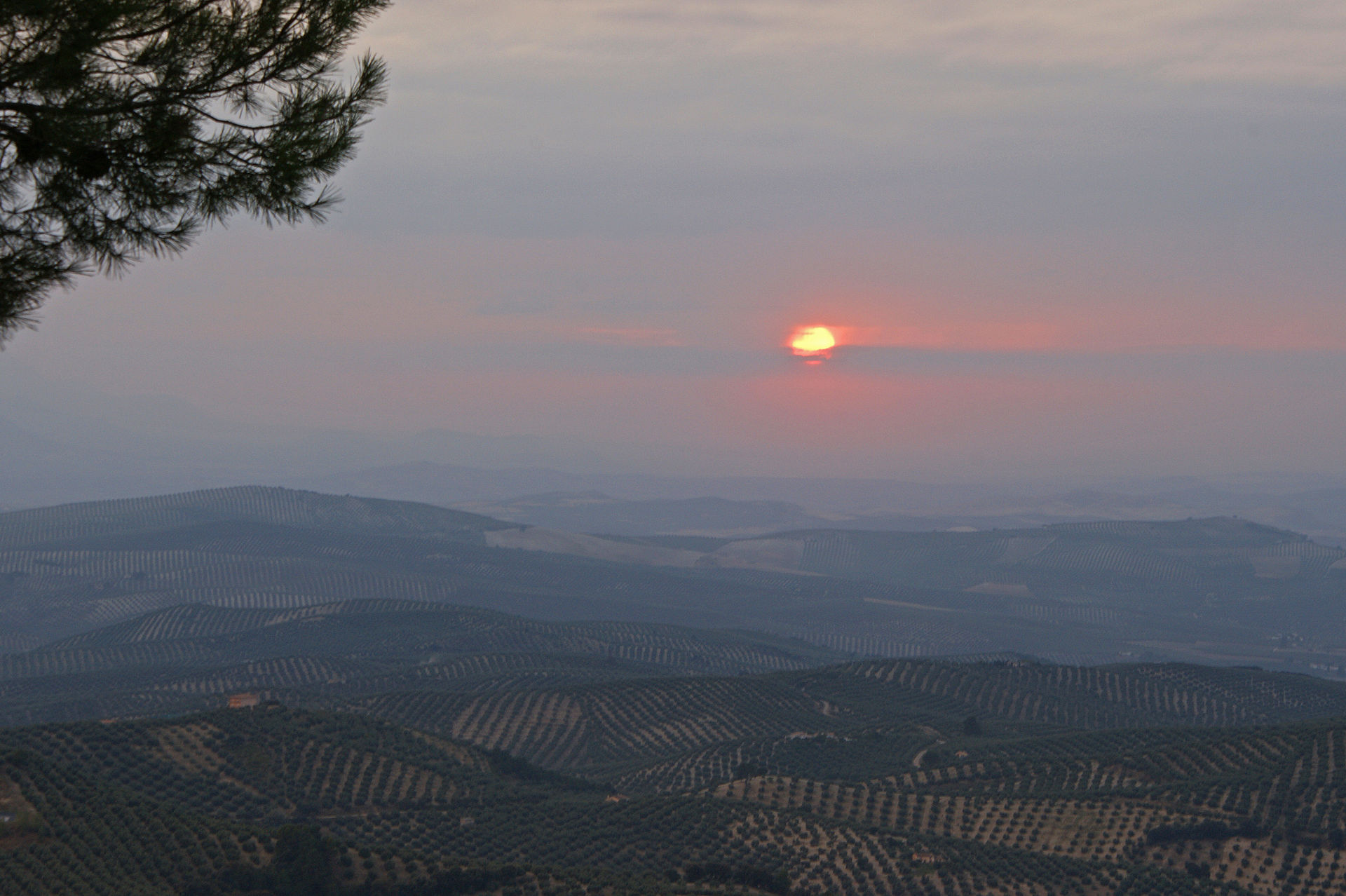
Olive Oil Tasting in the Antequera Backcountry: 5 Farms for a Half-Day
The Antequera backcountry produces the mildest olive oil in all of Andalusia — DOP Antequera, an average 3-5 km higher elevation than the DOP Sierras de Málaga groves. For anyone wanting a day out of Marbella or Málaga for authentic olive oil tastings: five farms you can book this week. Hacienda La Capuchina — Mollina, best tasting for beginners. Hacienda La Capuchina sits 70 km from Marbella in Mollina (Antequera region) — a 19th-century hacienda doing olive oil tourism since 2010. The standard tour runs 90 minutes, €15 per person, including grove walk + pressing demo (October-January live; rest of the year simulated) + tasting of 4 olive oils with bread and jamón. We brought Belgian friends here last October — it was their introduction to 'real' olive oil and they went home with 8 bottles. Tour: daily 11:00 + 13:00 + 16:00, €15 pp Reservation: capuchina.es, 48 hours ahead Food: lunch option €25 pp extra (local dishes) Tip: go October/November for the live pressing demo Aceites Vallejo — Antequera centre, small family mill. Aceites Vallejo 5 min from Antequera centre is a smaller family mill — 4 generations of Vallejos, specialised in Hojiblanca olives (the classic Antequera variety). No marketing team, just grandma Carmen at the counter and her son Pedro running the tours. The €12 tasting covers 5 olive oils focusing on different Hojiblanca ripening stages. We went in March — Pedro told us about the phylloxera crisis that killed grapevines but bolstered olives. Tour: Mon-Sat 10:30 + 12:30 + 16:30, €12 pp Reservation: +34 952 841 234, a day ahead Tip: buy the Hojiblanca Extra Virgen 0.5L (€8) — superior to Mercadona prices Combine with: Antequera dolmens (UNESCO, 10 min) after the tour Sojo Olive Oil — Casabermeja, modern + organic. Sojo Olive Oil in Casabermeja (60 km from Málaga) is the modern, organic counterpart to traditional mills. EU bio-certified since 2018, focused on single-estate production. The tour is longer (2 hours, €25) and includes a deeper sustainability + organic-practice explanation. For anyone wanting olive oil but not 'old Spain': this is the choice. Tour: Fri-Sun 11:00 + 14:00, €25 pp Reservation: sojo-olive.com, a week ahead recommended Tip: ask specifically for the 'Sojo Oro' version — €18/0.5L, best-in-class Cortijo el Puerto — Mollina, agriturismo experience. Cortijo el Puerto is the 'agriturismo' version: olive farm + 8-room hotel + restaurant. Tour costs €20 (1.5 hours) and can be combined with lunch at the restaurant (€35 pp menu del día focused on local products). For anyone wanting 2 days in the region: overnight €110-160/night including breakfast. We spent a night here in October 2024 — quiet, stars, olive scent. Tour: daily 11:00 + 16:00 by appointment, €20 pp Stay: 8 rooms, €110-160/night Restaurant: open Tue-Sun lunch + dinner, reservation required Antequera centre — The DOP shop as alternative. In Antequera centre (Calle Infante Don Fernando) sits the Tienda Oficial DOP Antequera — a municipal shop selling olive oils from all 15 DOP Antequera producers under one roof. For anyone without time for a mill tour but wanting to taste and buy different oils: tasting €8 (4 oils), purchases from €5/0.25L bottles. We always come here for weekend gifts. Open: Mon-Sat 10:00-14:00 + 17:00-20:00 Tasting: €8 for 4 oils, no reservation Tip: free bread + plate to support the tasting Practical: route from the coast. From Marbella: A-7 + A-45 to Antequera (90 min) From Málaga: A-45 direct (45 min) Best months: October-January for live pressing demos, April-June for green-harvest tasting Avoid: July-August (40°C+ inland, no shade in groves) Combine with: Antequera dolmens (UNESCO, 25 min from centre), El Torcal nature park (10 min) Timing: depart 09:30 → mill tour 11:00-12:30 → Antequera DOP shop 13:00-14:00 → lunch in Antequera centre 14:30 → return 17:00 = full day --- Photos: Randi Hausken (CC BY-SA 2.0), MerchantAdventurer (CC BY-SA 4.0), CFA1877 (CC BY-SA 4.0), Jebulon (CC0), Malopez 21 (CC BY-SA 4.0), via Wikimedia Commons; Google Maps contributors.
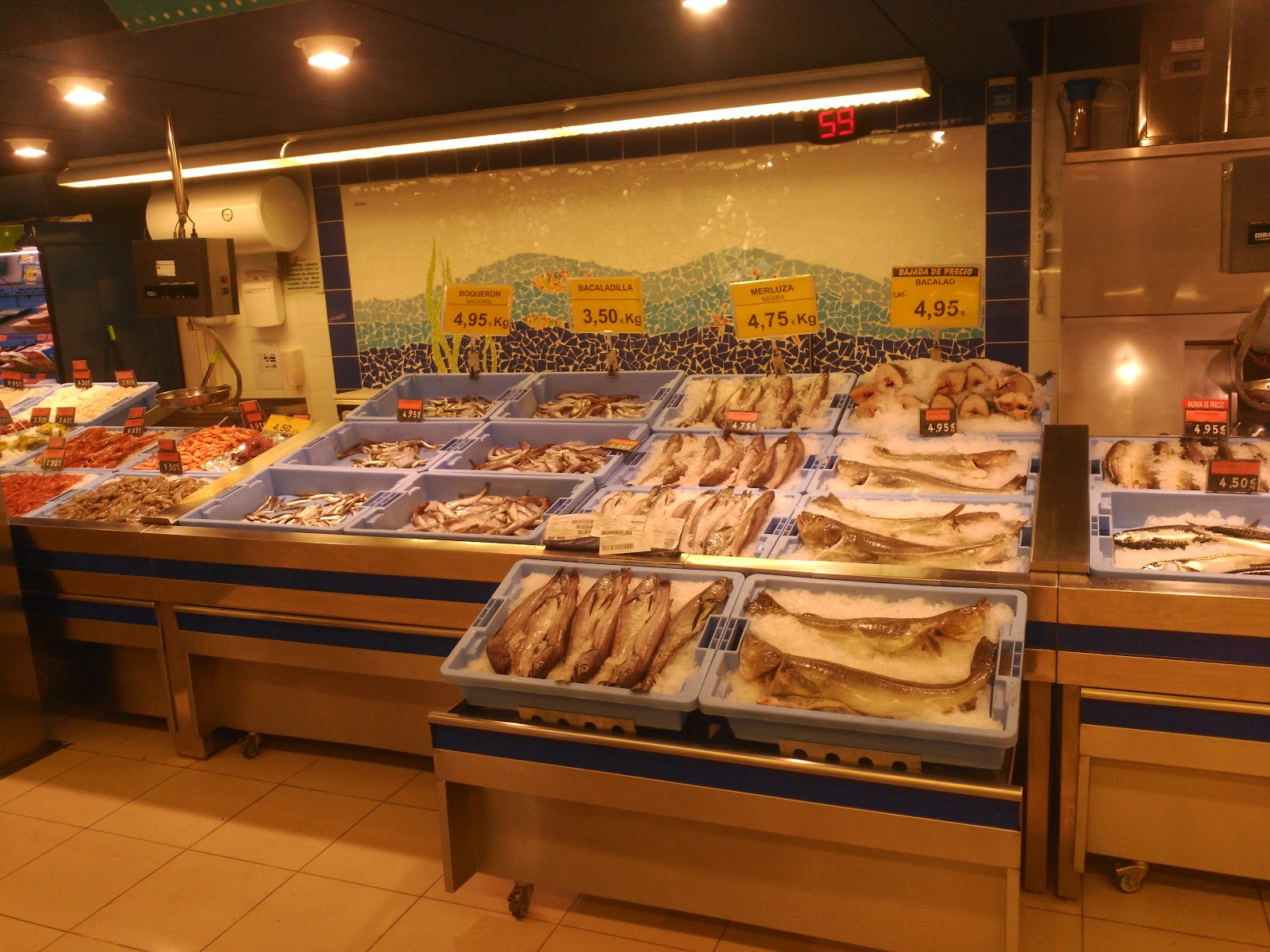
Supermarket versus Local Market on the Costa del Sol: When to Use Which
One Mercadona visit compared to a morning at the Mercado Atarazanas teaches you the difference: at the supermarket you buy packages, at the market you buy the product. Both have their moment. Here when to use which, plus the price table for the ten most-bought tourist items. Mercadona — Standard supermarket, for weekly basics. Mercadona is Spain's largest supermarket chain — usually the first choice for expats and long-stay tourists. Own-brand (Hacendado) prices are 30-40% lower than name brands. We use Mercadona for: pasta, rice, breakfast items, basic meats, soft drinks/water, and almost all household goods. What NOT: fresh fish (poor turnover), fresh produce (worse than market), seasonal flowers. Open: Mon-Sat 09:00-21:30, closed Sun (across Andalusia, almost always) Own brand: Hacendado — take this, no name brands Tip: go before 11:00 or after 19:00 to avoid checkout queues Mercado Atarazanas Málaga — For fresh fish + jamón. Mercado Atarazanas is Málaga's covered central market — 19th-century iron building, three sections (fish, meat, produce). For fresh fish this is the call: same-day catch, prices 20-30% lower than supermarket. Jamón ibérico (€60-180/kg depending on bellota grade) is sliced for you on the spot. We come every Friday morning at 09:30 for weekend shopping — our usual fishmonger has known us since 2019. Open: Mon-Sat 08:00-15:00, closed Sun Best time: Friday morning 09:00-11:00 for fresh fish Tip: ask the jamón cutter for 'cebo' grade (€60/kg) — better value than bellota Lunch on the spot: tapas stalls in the central hall from €6 per plate Mercadillo Fuengirola — Tuesday fashion + leather + craft. Mercadillo de Fuengirola every Tuesday morning is the largest open-air market on the western coast — 300+ stalls. Not a fresh-produce market; rather clothing, leather (real vs faux), ceramics, jewellery. We buy leather bags (€20-45) and craft ceramics (€15-50 a piece) here — three-quarters of Marbella centre prices. For fresh products: go to Atarazanas or the supermarket. When: Tuesday 09:00-14:00 Best haggling: from 13:00 (near closing) Tip: bring cash — many stalls no card Mercadillo Marbella Monday — 350 stalls of clothes. Mercadillo de Marbella every Monday (Recinto Ferial, next to the N-340) is for anyone wanting holiday basics on a budget at the start of a trip. No designer, basics only: swimwear (€10-25), summer dresses (€15-40), sun hats (€8-12). A tourist outing that delivers real value. Not for fresh products or specialty items. When: Monday 09:00-14:00 Tip: combine with a Casco Antiguo walk — market first, then coffee in old town San Pedro Market — Thursday, more local-friendly. San Pedro Market on Thursday (Recinto Ferial San Pedro Alcántara) is the smaller but more local sibling of the Marbella market. 200 stalls — less clothing, more fresh produce from land-owners in the Sierra Bermeja. We come every Thursday morning for courgettes/tomatoes/honey — direct farmer-to-buyer. Plus: less crowd than Marbella Monday. When: Thursday 09:00-14:00 Best season: March-June for citrus, July-September for plums Tip: arrive early (before 10:30) for best products and parking Practical tip table: price comparison 10 items. Mercado vs Mercadona price indication (in €): 1L milk: Mercadona €0.85 / Market n/a 500g tomatoes: Mercadona €1.50 / Market €0.80 8kg watermelon: Mercadona €5 / Market €3 Whole cleaned chicken: Mercadona €5 / Market €7 (but fresher) 500g white prawns: Mercadona €8 / Market €11 (fresher, better) 100g jamón ibérico bellota: Mercadona €4 / Market €4 (sliced on the spot = better) 1kg oranges: Mercadona €1.20 / Market €0.90 (local) Olive oil 1L extra virgin: Mercadona €5-7 / Market €8-12 (single estate) Bread 500g pan rustico: Mercadona €1 / Market €2.50 (home baked) Bunch of flowers: Mercadona €5 / Market €3-4 (locally grown) Muelle Uno craft markets (monthly) are again a separate category — art and specialty products, not for weekly shopping. --- Photos: Google Maps contributors.
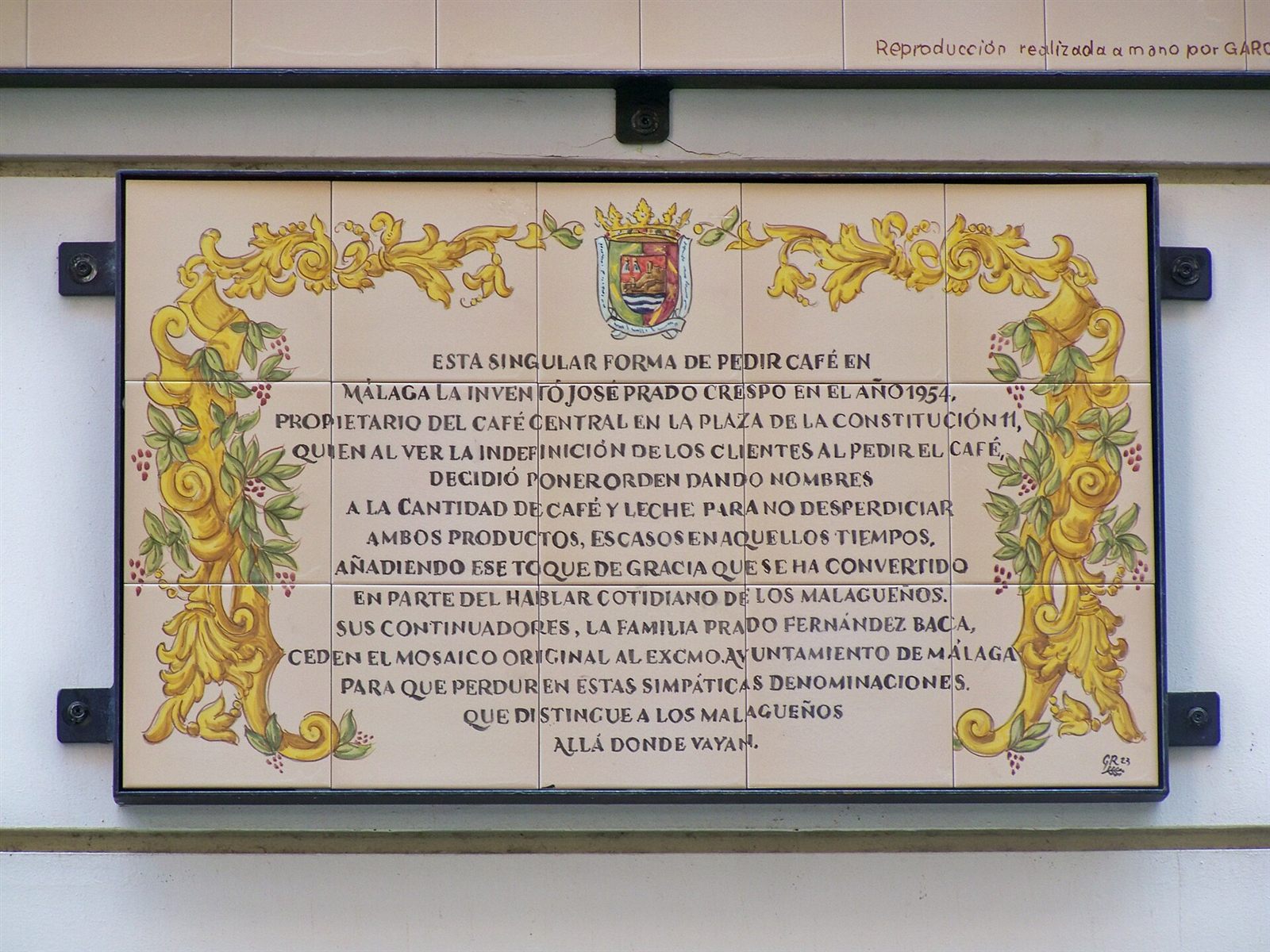
Costa del Sol's Best Coffee Spots: From a 1920 Café to Specialty Roasters
Spanish coffee is more than a café cortado — Málaga even has its own coffee vocabulary (nine different blends of coffee and milk, each with its own name). Here are five Costa del Sol coffee spots where you get the good stuff, plus the quick guide to order like a local. Café Central Málaga — The 1920 institution + Málagueño coffee vocabulary. Málagueño coffee tradition started with Café Central on Plaza de la Constitución in 1920. Owner José Prado devised nine coffee-milk blends and labeled them with letters on the wall — still original and visible today. Order the nube (90% milk + 10% coffee, morning), sombra (75/25, normal), mitad (50/50, end of morning), or solo (100% coffee). That alone makes this café worth a visit. We come here every Monday in May for the nube + churros (€3.50 total). Open: daily 07:00-22:00 Coffee: €1.30-2.50 Tip: ask the barman to explain the wall — usually happy to talk you through it Don't miss: the 'solo corto' for anyone who wants it really strong Santa Coffee Roasters — Málaga's specialty pioneer. Santa Coffee Roasters on Calle Méndez Núñez (Málaga centre) has been the city's specialty coffee benchmark since 2018 — in-house roastery, single-origin beans from Ethiopia, Colombia and Peru, and baristas who take their cup-of-excellence certificates seriously. A filter (€3.50) or espresso (€2.80) here is a different level from Café Central tradition. We come here for the flat white (€3.80) — hard to find in Spain, perfect here. Open: Mon-Sat 08:30-19:00, closed Sunday Specialty: filter brews, espresso, flat white Beans for sale from €15 per 250g Tip: Friday morning free cupping (taste four different coffees) Mia Coffee Shop — Marbella's specialty go-to. In Marbella centre on Calle San Antonio sits Mia Coffee Shop — third-wave specialty shop run by an Italian barista (Andrea Conti) and his Spanish wife. Since 2019 the best specialty address in Marbella. We come every week — the owner recognises our regular order (two flat whites and a croissant). Laptop crowd morning, couples afternoon. Open: daily 08:00-18:00 Prices: coffee €2.80-4.20, breakfast €5-9 Wifi: fast, good for remote work Tip: sit in the back patio — less foot traffic Lola Café Marbella Casco Antiguo — For atmosphere and croissants. Lola Café on Calle Carmen in Marbella's Casco Antiguo has two things others miss: a patio with palm trees and serious croissants (baked from 06:00, ready 07:30). Not specialty but quality coffee, and the atmosphere-plus-breakfast combination is the best in the whole Casco Antiguo. We come here on Sunday morning for a long, lazy coffee — €8 for two coffees, two croissants and a crema catalana. Open: daily 07:30-22:00 Best time: before 10:30 for fresh croissants Wifi: OK for 30 min work, not for long sessions Tip: Friday evening live piano from 20:00 — different vibe but still mellow Coffee in Estepona — Café Carmen and friends. Estepona's coffee scene is smaller but serious. On Calle Real (the shopping street in the Casco Antiguo) sits Café Carmen — coffee + house-baked brioche for €3 total, with a courtyard in old Moorish style. Next to it on Plaza de las Flores: Bohême, a Franco-Spanish hybrid with good espresso and avocado toast. For anyone staying in Estepona, these two addresses cover the morning. Café Carmen: daily 08:00-21:00, coffee €1.80, brioche €2.50 Bohême: Mon-Sat 09:00-19:00 (closed Sun), avocado toast €9 Tip: for specialty (single-origin filter) Estepona doesn't have it yet — drive to Marbella (Mia) How to order coffee like a local. Classic Spanish: Café solo: small espresso, classic after lunch Café cortado: espresso + dash of milk Café con leche: half espresso + half hot milk, breakfast classic Café americano: espresso + hot water, for the filter-coffee crowd Málaga-specific (from Café Central): Nube (cloud): almost all milk + drop of coffee Sombra (shadow): 75% milk + 25% coffee Mitad: 50/50 Largo: more coffee than milk Solo: just coffee Specialty café (Santa, Mia): Flat white: double ristretto + steamed milk (no foam) Cortado: like Spanish, ristretto + warm milk V60 / Chemex filter: if available — ask for the daily single-origin Tip: always ask if the milk is steamed (Mia does it, Café Central doesn't) --- Photos: Daniel Capilla (CC BY-SA 4.0), Ypsilon from Finland (CC0), via Wikimedia Commons; Google Maps contributors.
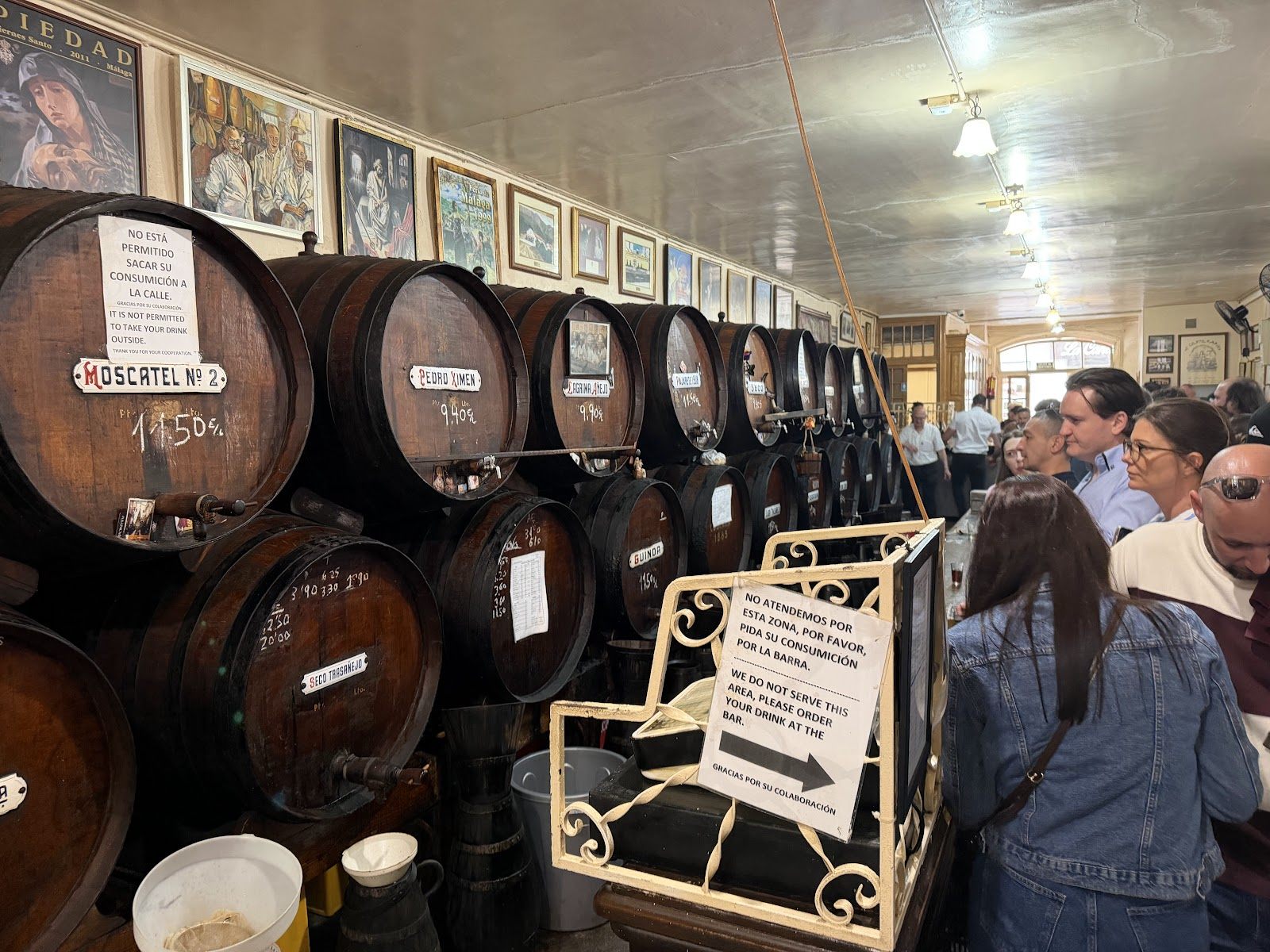
Wine Tourism in Málaga: 5 Bodegas Beyond the Standard Ronda Loop
Málaga had 100,000 hectares of vineyards in 1880. Today: 1,700. Phylloxera turned a wine region into a tourist beach. But the few bodegas that survived are still operating — and the comeback since 2010 (DOP Sierras de Málaga) is one of the most serious quiet stories in Spanish wine. Here are five bodegas where you can taste without a Ronda-tour package. Antigua Casa de Guardia — Wine from barrels, Málaga centre since 1840. Antigua Casa de Guardia on Calle Pasaje Chinitas in Málaga's centre has been the same spot since 1840: a row of barrels on a wooden bar, no tables, the barman chalks your bill on the wood. Order Pajarete (sweet Pedro Ximénez wine, €2.50/glass), Lágrima (€3) or Trasañejo (€4 — our favourite, 25 years aged). We come every time we're in Málaga — no tourist tour, just stand and taste. Open: daily 10:00-22:00 Glasses: €2-5 Snacks: chorizo and olives (€2 plate) Tip: ask the barman for the house Moscatel — not on the menu but always available Bodegas Quitapenas — Modern tasting in El Palo. In El Palo (east Málaga, next to El Tintero) sits Bodegas Quitapenas — the modern counterpart to Casa de Guardia. No raw barrels but a professional tasting room with 5-wine pairings (€18 per person, including a tapa). We went last September after espeto at El Balneario — a 90-minute tasting where you actually learn something about Málaga's Moscatel and Tempranillo Tinto. Tasting: daily 12:00-19:00, reserve via website Price: €18 standard, €35 premium (rare wines) Food: tapas during tasting included Tip: ask for the cellar tour (free with premium tasting) Bodega F. Schatz — Biodynamic Ronda without the show. Bodega F. Schatz outside Ronda has been biodynamic since 1998 — German family, 11 hectares, 25,000 bottles annual production. No marketing team, no Instagram, just wine. The tasting is with Friedrich Schatz himself in his cellar: 4 wines, €30 per person, 90 minutes where he talks about biodynamic farming and the Ronda microclimate. We've done this tasting two years running — the Petit Verdot 2020 (€42 bottle) remains my favourite from the region. Access: by appointment only, +34 952 871 313 or fschatz@gmail.com Best months: June + September (cool, production lull) Tip: book before 10:00 local — Friedrich answers himself No card: cash only for wine orders Cortijo Los Aguilares — Tempranillo + Pinot Noir in Sierra de las Nieves. Cortijo Los Aguilares sits in Sierra de las Nieves at 900 metres altitude — one of the highest vineyards in Andalusia. The cooler microclimate plus Atlantic influence makes Pinot Noir possible here, so this is the only bodega in the region making a serious Pinot. The tasting runs €25, takes 2 hours, and includes six wines plus a vineyard walk. We went last October — the Pinot Noir Selection 2021 (€38) is a fixed Friday bottle at our house. Reservation: loaguilares.com 48 hours ahead Open: Mon-Sat 11:00 + 13:00 + 16:00 tastings (no Sunday) Tip: combine with lunch in Ronda — bodega is 25 min west Food: small plates possible, lunch better in Ronda Pago El Espino — Cártama, between Málaga and Marbella. Pago El Espino sits 25 min from Marbella and 30 min from Málaga in Cártama — most centrally located wine tasting in the region. Not a world-class bodega, but open daily (rare), reasonably priced (€15 for 4 wines plus tapas), and perfect for a half-day out. We brought Italian friends here last June — they came for beach cocktails, left with a wine kick. For anyone short on time but wanting to taste, this is the recommendation. Open: daily 11:00-19:00, no reservation required Tasting: €15 standard, €25 with cellar tour Access: car only (no bus) Tip: go midweek — weekends are bus-load territory Practical: how to plan a wine day. From Marbella: Pago El Espino (30 min) or Cortijo Los Aguilares (1h15) are close enough for half a day From Málaga: Antigua Casa de Guardia (walking) or Quitapenas (15 min) Visiting Ronda? Combine Schatz or Aguilares with the town itself Reservations: Casa de Guardia, Quitapenas and Pago El Espino accept walk-ins. Schatz and Aguilares require advance booking Best months: May + June + September + October (July/August hot) Don't drive: plan a driver for every tasting — fines are steep here Cheapest wine route: Casa de Guardia (€2.50/glass) + Quitapenas (€18 tasting) = 5 wines plus 5 barrel-glasses for €25 per person --- Photos: Cayetano/AS990 (CC BY-SA 2.0), via Wikimedia Commons; Google Maps contributors.
Bodega El Pimpi Málaga: the historic bodega restaurant + booking
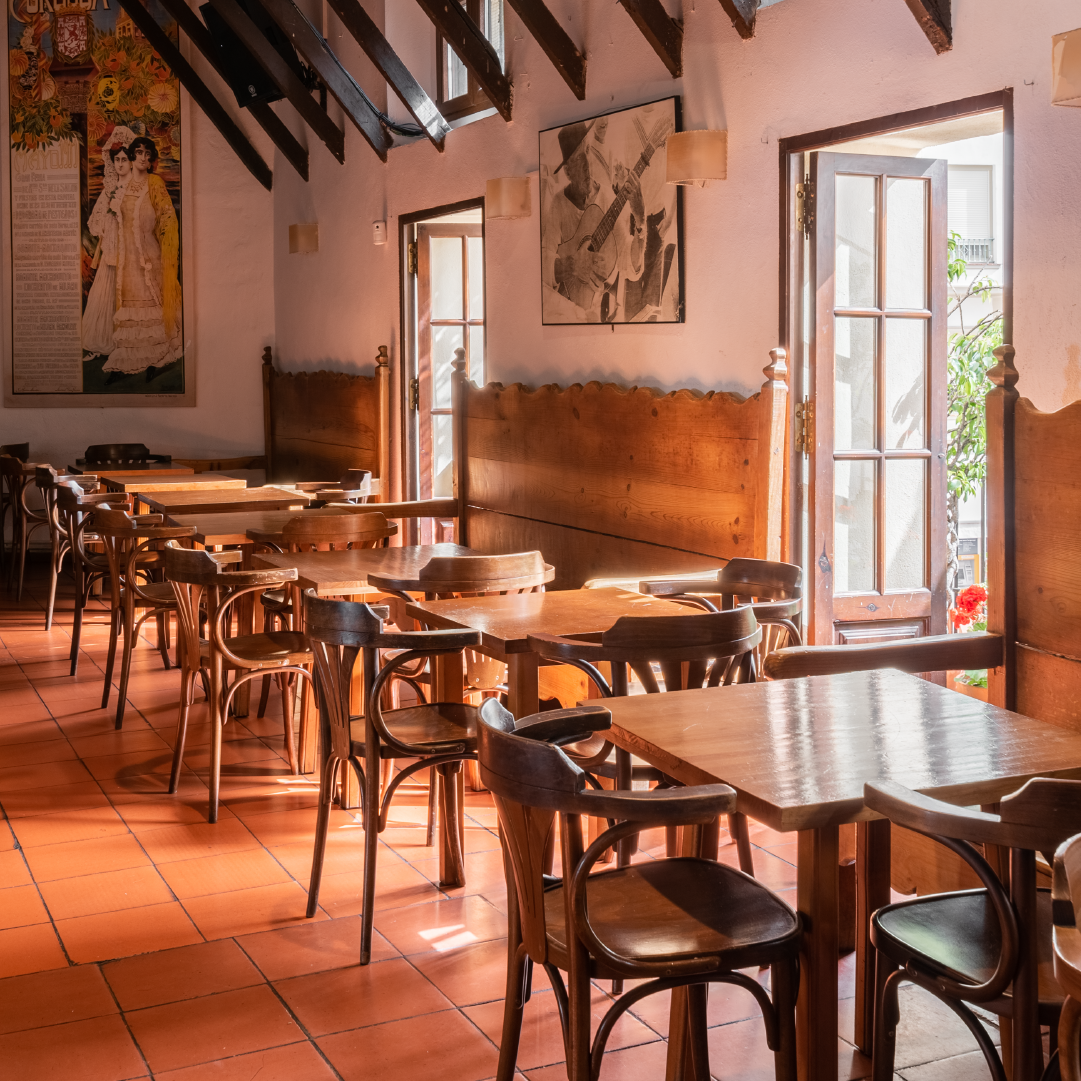
In short: Bodega El Pimpi is Málaga's most famous historic bodega restaurant — old wine barrels covered in signatures, lively patios and a terrace looking out over the Alcazaba and the cathedral. Touristy but genuinely loved, with Andalusian classics and sweet Málaga wine. In high season we recommend booking ahead via the El Pimpi page. Few addresses sum up Málaga as neatly as El Pimpi. Set in the heart of Centro, between the Roman theatre and the foot of the Alcazaba, it's an institution where locals and travellers mingle. Whether you pop in for a glass at the bar or settle in for a long lunch on the terrace, this is a place worth seeing while you're in town. What makes El Pimpi special. El Pimpi is no hidden gem — and that's exactly its charm. It's big, busy and always in motion, yet it keeps the feel of a real Andalusian bodega. With 4.1 stars from 18,952 reviews, it ranks among the most reviewed spots in the city. The formula works because El Pimpi is several things at once: a wine bar for a quick copa, a restaurant for a relaxed meal, and a meeting point that hums in the evening. Tourists find an approachable introduction to Andalusian cooking; locals come for the atmosphere. The vibe: wine barrels, patios and views. Inside, you move through a maze of rooms and courtyards, with walls covered in old photos and flamenco posters. The iconic large wine barrels are everywhere — many signed by the artists and visitors who have passed through over the decades. It feels less like a restaurant and more like a living piece of Málaga. The patios are the heart of the experience: shaded, sociable inner spaces. And then there's the terrace, with its view of the Alcazaba and the cathedral — one of the loveliest places in Centro for a drink as evening falls. If you're here for the atmosphere, ask about an outdoor table. What to order. El Pimpi is all about Andalusian classics, shared across the table: tapas and raciones, local specialities and good Spanish jamón. The signature is the sweet Málaga wine made from Pedro Ximénez — a deep, raisiny dessert wine you really should try here. Start with a glass of sweet Málaga wine as an aperitif. Share a few tapas or raciones so you taste more widely. Ask the staff for the seasonal house favourites. The menu and exact prices change, so for the current offering your best bet is the El Pimpi page. Expect a fair mid-range price for the area. Booking & practical tips. El Pimpi is popular, and in high season and on weekend evenings it can get very busy. For the terrace or a table on one of the patios, booking ahead is genuinely worth it; walk-ins without a reservation often face a short wait. Outside peak hours, a glass at the bar is easy to arrange. Want to book a table? Check current opening hours, the offering and booking options via the El Pimpi page. Location & how to get there. El Pimpi sits in Centro, within walking distance of the main sights: the cathedral, the Roman theatre and the Alcazaba are right around the corner. From the centre it's an easy stroll — the whole old town is car-free and made for walking. From Málaga Airport, a taxi or the Cercanías train into the centre usually takes around 15-20 minutes, after which a short walk brings you to the door. Make a day of it. El Pimpi is an ideal start or finish to a day in the city. Pair it with the Alcazaba and the Roman theatre right beside it, or plan it around your route using our Málaga travel guide. For more ideas, our things to do section is full of tours and tastings, and on a wider Costa del Sol trip the restaurants in Marbella are worth a look for a night out by the sea. Frequently asked questions. Do I need to book at El Pimpi? In high season and on weekend evenings we recommend booking, especially for the terrace or a patio. Outside peak hours you can often just walk in for a glass at the bar. You'll find booking options on the El Pimpi page. What is El Pimpi known for? Its historic bodega atmosphere: old wine barrels covered in signatures, lively patios, a terrace overlooking the Alcazaba and the cathedral, and sweet Málaga wine from Pedro Ximénez served alongside Andalusian classics. Is El Pimpi worth it or purely touristy? It's both touristy and loved. With 4.1 stars from 18,952 reviews, it stays popular with locals too — the atmosphere and the setting make it a fair must-visit in Centro. How do I get to El Pimpi from Málaga Airport? A taxi or the Cercanías train usually puts you in the centre in around 15-20 minutes; from there it's a short walk through the car-free old town to the entrance near the Alcazaba.
El Tintero Málaga: the fish restaurant where waiters auction the dishes
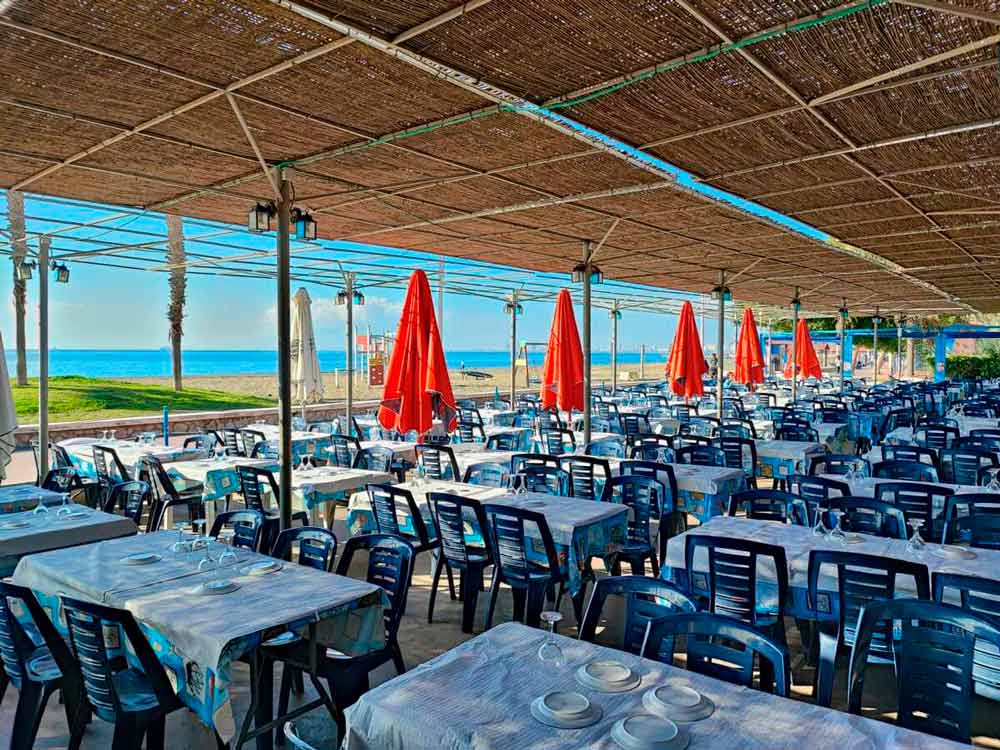
In short: El Tintero in El Palo is Málaga's no-menu fish restaurant — waiters roam the floor with plates of fried fish, "auctioning" the dishes out loud, you simply grab whatever you fancy off the tray, and at the end they count your empty plates to work out the bill. Big, loud, affordable and right on the beach. Plan your visit or find more info via the El Tintero page. Few addresses on the Costa del Sol are as gloriously offbeat as El Tintero. It sits in El Palo, the old fishing quarter on the eastern side of Málaga, right by the sea. Malagueños have come here for generations for an experience that's as much theatre as it is dinner. No menu, no calm, plenty of noise and laughter, and plate after plate of fresh fish — this is Andalusian eating at its most unpolished and joyful. How does El Tintero work?. The gimmick is also the whole appeal: there is no menu. Instead, the waiters move non-stop between the tables carrying large plates of fried fish (pescaíto frito) and other dishes, calling out and "auctioning" the names as they hold them aloft. If you hear or see something you like, you simply grab it off the tray as the waiter passes. Not quick enough? The plate carries on to the next table. Paying is just as unconventional. Your empty plates stay on the table, and at the end a waiter comes to count them — the number and type of plates determine your bill. It's chaotic, fast and wonderfully relaxed. With 4.2 stars from 21,204 reviews, it's one of the most appreciated and most visited spots in the region. What to expect on your plate. The star is pescaíto frito: lightly fried fresh fish and seafood, the signature dish of the Málaga coast. Think small fried fish, squid and other seafood in changing forms, often crisp and simply prepared so the fish itself does the talking. Because there's no menu, you discover the offering as you go — whatever comes past is what's available that day. Prices vary and we deliberately avoid quoting fixed amounts here, but El Tintero is known as affordable: you eat well without spending much, especially for fresh fish by the sea. For the current offering and practical details, your best bet is the El Tintero page. Tips for your visit. El Tintero is big, busy and loud — that's part of the experience, so don't expect a quiet dinner. A few things that help: Come hungry. You'll gather several plates and the pace moves fast. Go as a group. The more of you there are, the more different plates you can share and try. Keep an eye on the waiters. If you want something, you need to be quick before the plate moves on. Don't be shy. Calling out, pointing and grabbing is completely normal here. Booking & practical tips. A place this big and lively runs mainly on walk-ins and often doesn't take reservations the way a regular restaurant would — you simply walk in and find a spot. At busy times, such as weekend lunches and in high season, it can get very full, so arrive early or be ready for a short wait. Planning or want more info? Check current details and the best way to prepare your visit via the El Tintero page. Location & how to get there. El Tintero is in El Palo, east of central Málaga, right by the sea. From the centre you can reach it easily by a local bus heading towards El Palo or with a short taxi ride along the coast. If you're staying on the eastern side of the city, you can often even walk or cycle there along the promenade. From Málaga Airport, a taxi usually gets you there in around 20-25 minutes, depending on traffic. Its beachfront setting makes it a natural stop during a day along the eastern coast. Make a day of it. A visit to El Tintero pairs easily with a day on the eastern side of the city: a stroll along the El Palo promenade or an afternoon at the beach fits perfectly around lunch. Plan the rest of your route with our Málaga travel guide, and for tours, tastings and nearby outings have a look at our things to do. Frequently asked questions. How do you pay at El Tintero? There's no fixed price per dish in the usual way. Your empty plates stay on the table, and at the end a waiter comes to count them — the number and type of plates determine what you pay. Expect an affordable price for fresh fish by the sea. Does El Tintero have a menu? No, and that's exactly the charm. Instead of a menu, the waiters roam the floor with plates of fish they "auction" out loud; you simply grab what you want off the tray as it passes. You'll find current details on the El Tintero page. Is El Tintero worth it? With 4.2 stars from 21,204 reviews, it's one of the highest-rated spots in the region. For the unique auction atmosphere, the fresh pescaíto frito and the beachfront setting, it's well worth a visit. Do I need to book at El Tintero? A place this big runs mainly on walk-ins and often doesn't take reservations; you simply walk in. At busy times it can be full, so arrive early or be ready for a short wait.

Tapas Tour Through Marbella's Old Town: What to Expect & Booking
In short: The Original Marbella Tapas Adventure is a guided tapas and food tour through Marbella's old town, stopping at several authentic bars for local dishes, wine and a guide who knows the stories and the best spots. Highly rated (4.9 stars from 175 reviews), small group and a full evening out — ideal for a first night or for food lovers. Check availability and book via the activity page. If you want to get to know Marbella the way a local does — tasting, strolling and hearing the stories behind each spot — this is a lovely way to start your stay. Instead of hunting for where to eat, a guide takes you along several bars in the historic centre. It is social, relaxed, and you discover places you would probably miss on your own. What the tapas tour includes. It is a guided route through the old town, with stops along the way at several authentic bars and taverns. At each stop you taste local tapas, often paired with wine, while your guide talks about the dishes, the neighbourhood and the city's history. With 4.9 stars from 175 reviews, it is a widely praised experience run as a small group, which keeps the atmosphere personal. The exact route, number of stops, duration and dishes can vary from tour to tour — always check the current details on the activity page. Why a guided tour is worth it. The big advantage is local knowledge. A good guide knows which bars are worth your time, what to order and which dishes are typical of the region — the kind of know-how you would only build up over many evenings yourself. You taste places you would likely walk past without a guide, tucked away among the narrow streets. And the social side matters: you move as a small group, share dishes and first impressions, and the stories give the food more meaning. Booking — how it works. It runs as a small group, so places are limited. Especially in high season and on weekends, booking ahead is recommended so you are sure of a spot. Want to check availability & book? You do that via the activity page. Where it starts & how to get there. The tour takes place in Marbella's old town, around the charming Plaza de los Naranjos. You will find the exact meeting point and time with your booking. Coming from Málaga Airport, expect roughly 40 to 50 minutes by car, depending on traffic. No car? Arrange an airport transfer or take a taxi — handy, because on a tour with wine you would rather not drive yourself. The old town itself is best explored on foot. Good to know. Come hungry: you taste at several stops, so do not eat too much beforehand. If you have dietary needs or allergies — vegetarian, gluten-free or otherwise — let the organiser know in advance with your booking, so the guide can take it into account. Wear comfortable shoes for the cobbles between the bars, and take your time over this full-evening experience. More food & things to do in Marbella. The tapas tour is a great start, but Marbella has much more to offer for food lovers. If you want to head out on your own afterwards, browse the best restaurants in Marbella. And for the full picture — sights, beaches and practical tips — use our Marbella travel guide. Frequently asked questions. How do I book the Marbella tapas tour? You check current availability, times and booking options on the activity page. Because it runs as a small group, reserving ahead is recommended, especially in high season. Is the tour suitable for me, and can I share dietary needs? The tour suits most food lovers who enjoy walking and tasting. If you have dietary needs or allergies, such as vegetarian or gluten-free, share them in advance with your booking so the guide can accommodate them. How many bars do you visit and how long does the tour last? It is a guided route along several authentic bars in the old town. The exact number of stops and the duration can vary — you will find the current details on the page. Where does the tapas tour start? In Marbella's old town, around the Plaza de los Naranjos. The precise meeting point and time are listed with your booking.
The Best Chiringuitos: Eating with Your Feet in the Sand
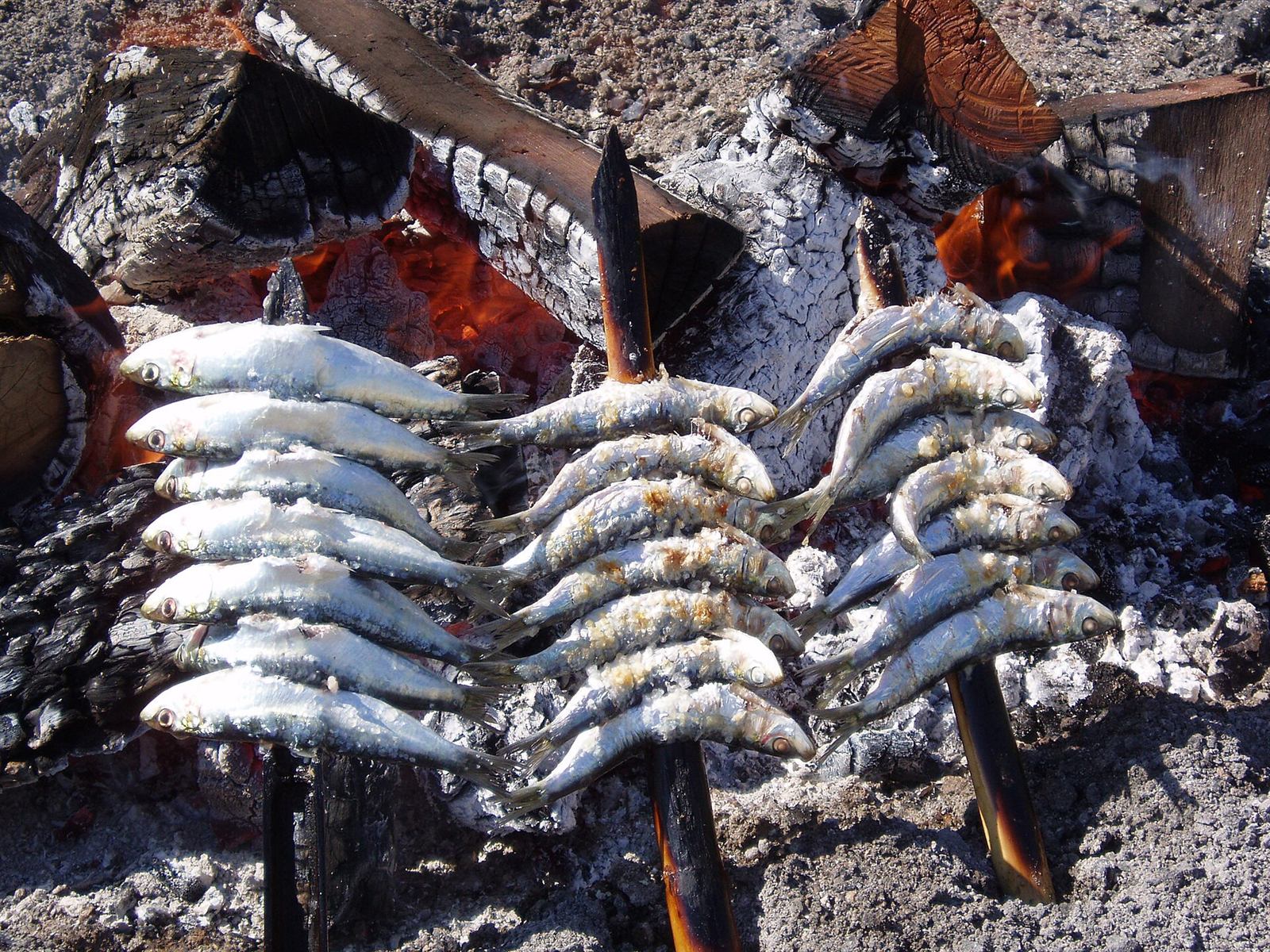
The sun is dropping over Pedregalejo and the espetos — sardines skewered on bamboo above smoldering olive wood — are finally hitting their stride. No menu, no reservation, no shoes required. These are five chiringuitos where the Costa del Sol still tastes like it did before the promenades were built. El Balneario Baños del Carmen — Pedregalejo's grand dame. El Balneario Baños del Carmen has stood on this stretch of water since 1918. When we ate here last September it was ten to six and the sun was sitting right behind the old eucalyptus trees — that's the moment. The kitchen runs espeto de sardinas (€2.50 for six) and fritura malagueña (mixed fried fish) the way the neighbourhood has done it for a century. Address: Bulevar Pasteur 5, El Limonar Bus: Line 11 from central Málaga, stop Baños del Carmen Tip: Order a rebujito (manzanilla with 7-Up) at the bar while waiting for a table — 40 minutes wait on a Saturday night without a reservation Cash under €30 El Tintero — Málaga's loudest dinner. In El Palo, El Tintero runs on a system that exists nowhere else. No menu, no orders. Waiters walk the floor with plates of fish held above their heads, shouting what they've got. See something you want? Raise your hand. The plate lands on your table. Your bill is calculated by counting the empty plates at the end. I came here for the first time when my father-in-law (Málagueño to the core) said: forget the restaurants in the centre, I'm taking you to El Tintero. Order rosada en adobo (marinated dogfish, €7), calamares fritos and always an ensalada malagueña (orange, salt cod, onion, olives — €6.50). Address: Playa Las Acacias, El Palo Open: daily 12:00-00:30 Budget: €15-20 per person including drinks Tip: Go with at least four people — that way you can split a lot of plates Chiringuito La Pesquera — Marbella's old guard. Between glossy Puerto Banús and Marbella's working harbour sits Chiringuito La Pesquera. A family business that mostly ignored the 2010s price hikes. When I was here in July, the next table ordered a whole dorada a la sal (sea bream in a salt crust, €28 for two) and that's still the best opening play for this house. Address: Plaza de la Victoria, Marbella centro Order: lubina (sea bass, €24) on the espeto or gamba blanca de Huelva (€22) Bus: Line 7 from San Pedro Alcántara, stop Mercado Tip: Ask for the pescaíto frito mixto for the table — not on the menu, always fresh Los Marinos José — Fuengirola's best-kept secret. Los Marinos José sits in the Michelin guide without a star — which in Spain means roughly Michelin should have given a star but didn't want to wreck the neighbourhood vibe. José Sánchez (the owner, third generation) cooks fish his cousin bought at Fuengirola harbour that morning. We went here last November — off-season, raining — and ordered the caldereta de bogavante (lobster stew, €38 for two). That's a dish you don't get at any tourist restaurant along the coast the way José makes it. The wine list focuses on Málaga. Address: Paseo Marítimo Rey de España, Fuengirola Open: Wednesday-Sunday 13:00-16:00 and 20:00-23:30 Reservation: worth booking, +34 952 663 030 Tip: Ask for the daily catch — what came in that morning beats anything on the menu Chiringuito El Cabrillo — Estepona's beach terrace. On Playa del Cristo in Estepona — a horseshoe bay sheltered by the marina — sits Chiringuito El Cabrillo. No pretension, plastic chairs, and the best paella de marisco on the western Costa del Sol. I'm here the first Sunday of every month — the paella comes out at 14:00 sharp for the whole group. Open: daily 12:00-22:00 (April-October), closed January-February Tip: Order the paella before 13:00 — they make one fixed pan, when it's gone, it's gone Parking: Free on the dirt lot behind the bay Practical tips for a chiringuito-hopping evening. When: Espeto season runs May to October. November-April many chiringuitos are limited or closed What to eat: espeto de sardinas (skewered sardines), boquerones en vinagre (anchovies in vinegar), pescaíto frito (mixed fried fish), fideuá (paella with thin pasta) When to go: Locals sit down around 14:30 for lunch, 21:30 for dinner. Earlier = empty room, later = queue Reservation: Only at El Balneario and Los Marinos José. The rest is first-come Cash: Many chiringuitos accept cash under €30 — always carry some --- Photos: gildemax (CC BY-SA 2.5), Turista Inglesa (CC BY-SA 4.0), via Wikimedia Commons; Google Maps contributors.
Frequently asked questions about food & drinks
Where do locals actually eat tapas in Marbella?+
In the Casco Antiguo: Casa Curro on Plaza de los Naranjos and Bar Altamirano on Calle del Limones, both running since the 1960s. For budget: La Niña del Pisto on Calle Pantaleón, where the whole neighbourhood queues at two in the afternoon. Avoid the back-to-back tourist menus around Avenida del Mar.
What's a chiringuito and where do I find a real one?+
A chiringuito is a beach restaurant on stilts, originally fishermen's huts, now often permanent structures but still right on the sand. Best authentic spots: Restaurante La Pesquera in El Palo (Málaga) for espetos, and Chiringuito El Bambú in Marbella for paella with your feet in the sand.
What's the difference between menú del día and regular lunch?+
Menú del día is a fixed weekday lunch menu originally meant for workers: starter + main + dessert + drink + bread, usually €12-18. It runs roughly 1pm to 4pm on weekdays only. À la carte is à la carte — typically two to three times the price.