
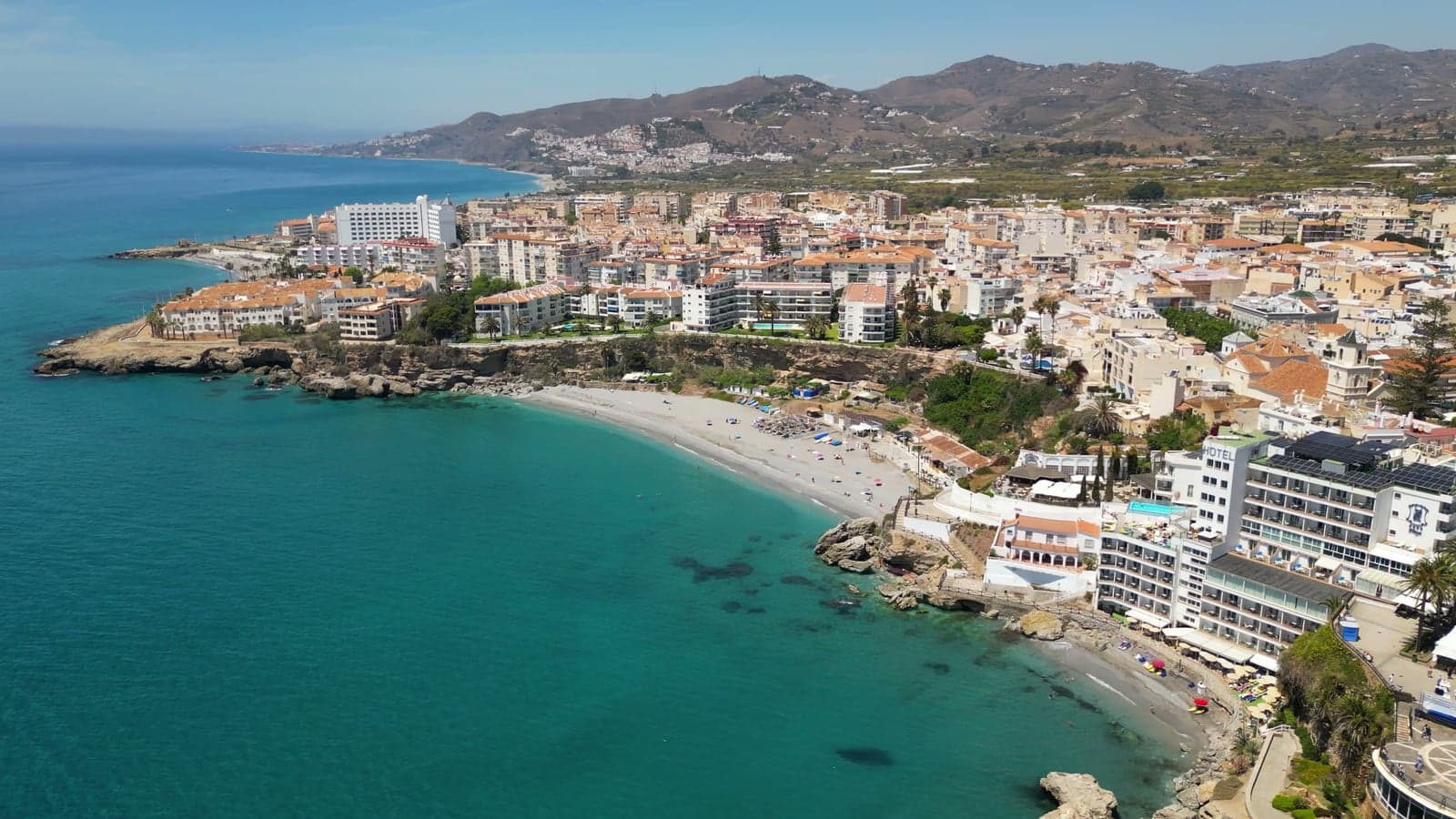
Cycling the Costa del Sol: 5 Routes for Every Level plus Where to Rent
The Costa del Sol has a twin character for cyclists: 100 km of flat coast path where you can just roll, and 600 metres straight up if you head inland. Here are five routes for every level, where to rent a bike, and which months to avoid.
Senda Litoral — The flat 100 km coast path for everyone
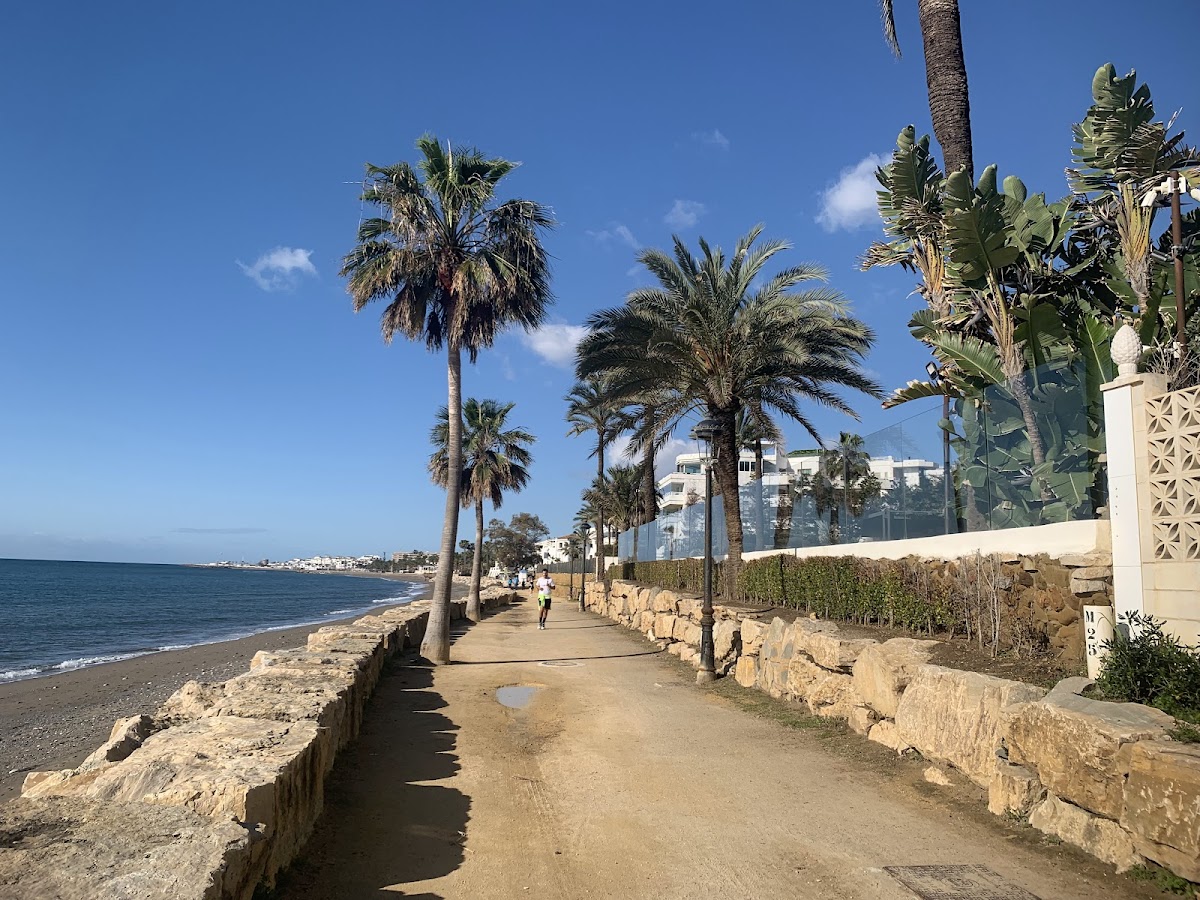
The Senda Litoral has been the through-going gravel path along the whole Costa since 2020: 100 km from Estepona via Marbella to Torrox. No climb, no technical bits, no cars. Perfect for kids 8+, beginners and family outings. We do a 30-km loop from Marbella to Cabopino every September — start 09:00, lunch at a chiringuito, back around 14:00. The path has shaded sections but summer (12:00-17:00) is unworkable due to 35°C+ on the open parts.
- Start Marbella: Puerto Deportivo, head east
- 30 km loop: Marbella → Playa de Cabopino, 2 hours one way
- Best months: April + May + September + October
- Avoid: July/August 11:00-18:00 (health risk)
Marbella → Ojén — The 600m climb in 12 km
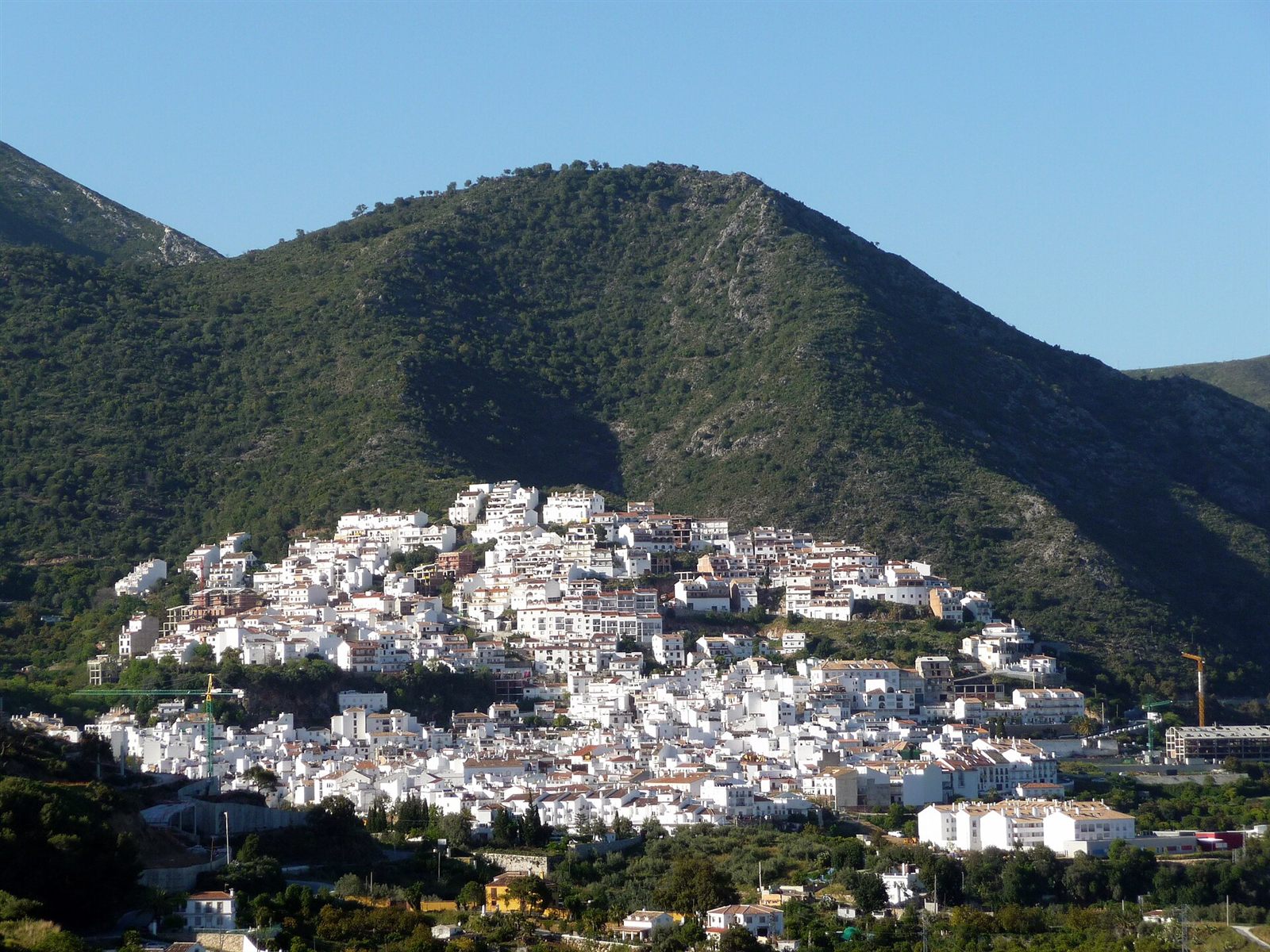
The Marbella to Ojén ride is the classic climb of the western Costa: 12 km, 600 metres altitude, 5.8% average gradient. Doable in 75-90 minutes for mid-trained cyclists (40 km/week). At the top: the white mountain village of Ojén at 380m, with café-restaurants for lunch and spectacular sea views. We do this once a month — the descent is 25 minutes of pure fun.
- Departure: Marbella Puerto Deportivo, route via MA-577
- Time up: 75-90 min
- Best months: May + June + September + October
- Lunch up there: Restaurante La Posada del Conde €15 menu del día
- Tip: leave before 09:00 to return to Marbella before 12:00
Sierra Blanca route — For mountain lovers
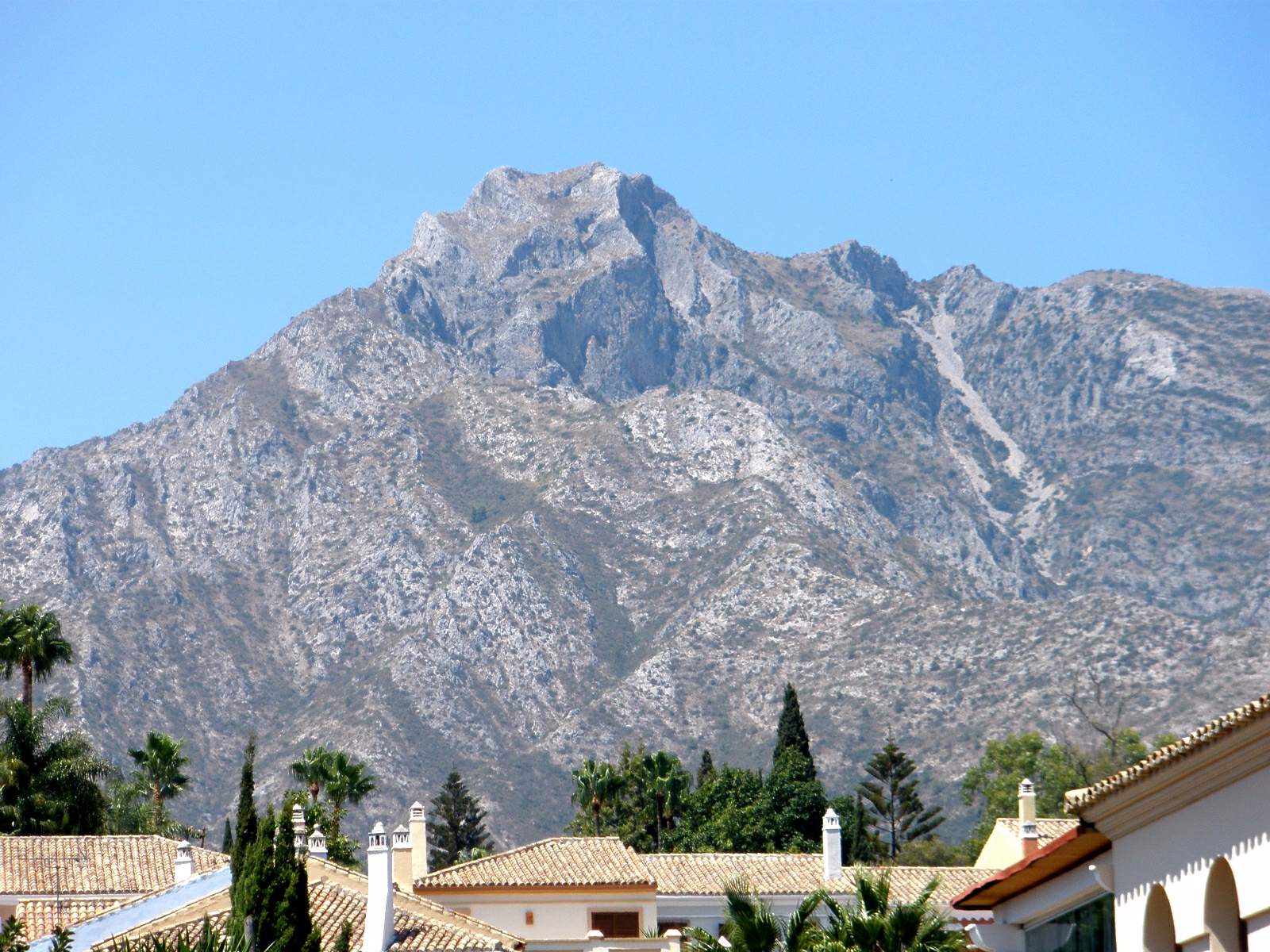
For advanced cyclists: the Sierra Blanca cycling route from Marbella up to Refugio de Juanar (1100m) — 18 km, 900 metres climb, 5% average. This is a serious ride you should budget 2.5-3 hours for. UK pro team Sky/Ineos has done its Sierra Nevada warm-ups here. We went last October with a friend prepping for a gran fondo — tough, stunning views over the coast plus the mountains at once.
- Departure: Marbella Puerto Deportivo
- Time: 2.5-3 hours climb, 1 hour back
- Required: 80+ km/week training
- Avoid: summer (no shade), winter (possible ice)
- Tip: book coffee + bocadillo ahead at Refugio de Juanar (phone +34 952 881 000)
Cabopino loop — Beach plus pine-forest mountain biking
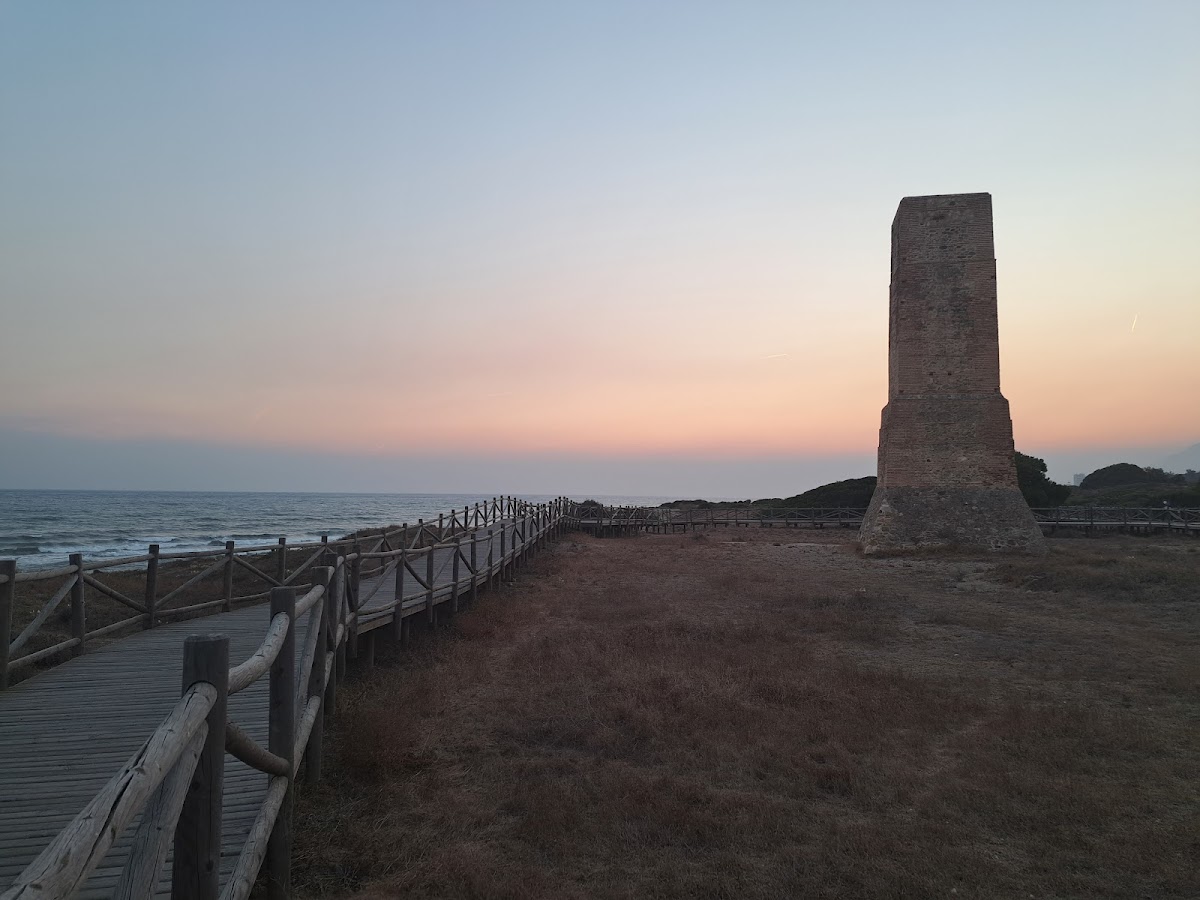
Playa de Cabopino sits 17 km east of Marbella with the Reserva Natural Los Monteros right behind it — pine forest with 30 km of MTB tracks. No climb, but sandy stretches and roots — a perfect beginner MTB spot. We come here with the kids (from 10 years old) — 1.5 hour loop is enough for a morning. Back at Cabopino: chiringuito for lunch, beach for the afternoon.
- Departure: park at Cabopino harbour
- MTB track: follow the red trail markers
- Time: 90 min comfortable, 2.5 hours full
- Level: beginner-intermediate
- Tip: bring water and a snack, no facilities on the track
Estepona → Casares route — White villages by bike
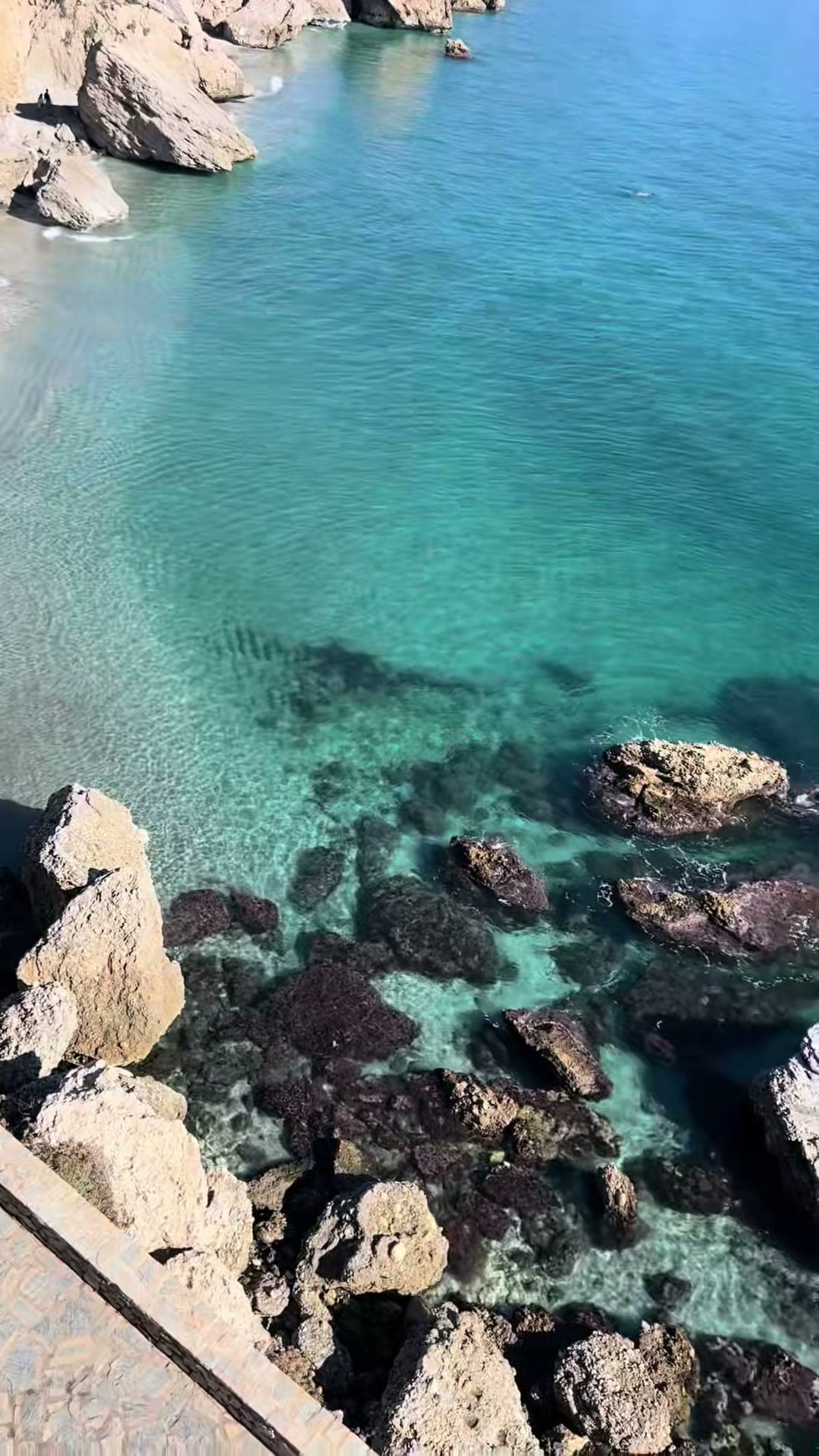
From Estepona to Casares (15 km, 350m climb) is a mid-level route that combines coastal cyclists with culture seekers. Casares is one of the most beautifully whitewashed mountain villages in Andalusia — stacked vertically on a rock outcrop, with a Moorish castle ruin on top. We usually do this ride in October — start at Puerto de Estepona, A-377 inland to Casares, lunch on Plaza de España, return via MA-8300 (quieter and prettier).
- Departure: Puerto Deportivo Estepona
- Time: 90 min up, 60 min back (mostly downhill)
- Lunch: Restaurante Casares Centro €18 menu
- Best months: May + October (summer = too hot)
- Tip: weekends are busier with cyclists — midweek more room
Where to rent + practical
- Bikemania Marbella: Puerto Banús office, road bikes €25/day, mountain bikes €20/day, e-bikes €35/day — open daily 09:00-19:00
- CycleSpain Marbella: road and tri-bike specialist, €30-50/day — reservation only
- Bici Marbella Centro: town and Senda Litoral cruisers €15/day — walk-in from 10:00
- Helmet: mandatory included, bring your own pedals if you ride clips
- Best months: May + June + September + October (July/August only before 09:00 or after 19:00)
- Avoid in July/August: Sierra Blanca route, Ojén climb (no shade, 38°C+)
- Insurance: ask specifically for 'todo riesgo' bike insurance, not all shops do this by default
Photos: Calapito (public domain), Zarateman (CC0), via Wikimedia Commons.
This article is curated by Costa Guide to inspire your visit to the Costa del Sol.
Make the most of your visit
Booking via these links may earn us a commission — at no extra cost to you.
Source: costaguide
More Insider articles
Caminito del Rey: Spain's Most Spectacular Walk and How to Get a Ticket
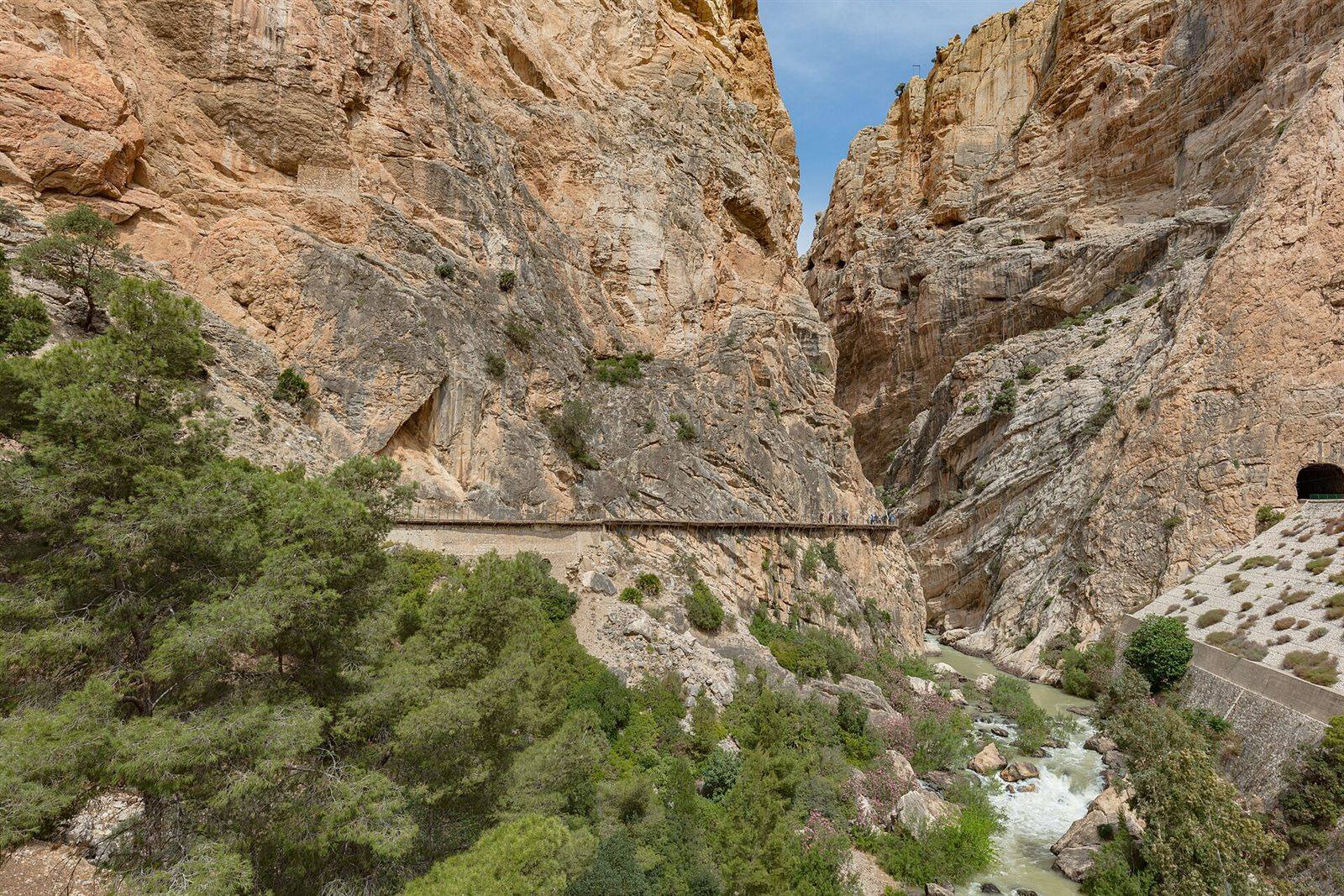
Caminito del Rey has been Spain's most famous walk since the 2015 restoration — a wooden boardwalk 100 metres above the Gaitanes Gorge. But the hardest step isn't the walk itself, it's getting a ticket. Here's how we book it, what you actually see, and what you do around it to turn it into a real day trip. What Caminito del Rey is and isn't. Caminito del Rey is a 7.7 km walking route north (Ardales) to south (El Chorro), of which about 3 km is the restored wooden boardwalk over the Gaitanes Gorge. Helmet required, one-way, minimum age 8. The walk takes 3-4 hours — not technically demanding (no climbing) but mentally taxing for anyone with vertigo. The first time we came here in 2023 I thought 'this is over-hyped' — until I stood on the first plank and saw the river 100 metres below. It is not over-hyped. It's not: a hard mountain hike — it's a restored wooden boardwalk on a flat path It is: six high sections where you really look through the gorge Helmet rental included in the ticket How to get a ticket — the tricks that work. Tickets go online via caminitodelrey.info. Standard release is 90 days ahead, but in July/August everything is gone weeks out. What we do: Monday 09:00 (Madrid time) check — that's when cancellations are released. Alternative: book a guided tour at €18 (instead of €10 self-guided) — more slots available and you get the history. For El Chorro this is the only way in on a busy summer Saturday. Best months: April + May + September + October (summer is hot, little shade) Self-guided: €10, your own pace Guided: €18, departures every 30 min, EN/ES/NL available Cancellations: same-week cancellations often surface Friday morning The route in practice: four highlights to look for. The route runs north to south — you start at the Conde de Guadalhorce reservoir near Ardales, end at El Chorro train station. The four visual highlights to spot: (1) the first boardwalk after 30 min where the plank narrows, (2) the suspension bridge midway with a glass section in the middle, (3) the Roman aqueduct remnant on your right around km 4, and (4) the Pintada Kings path (painted rock wall) at km 5.5. Our son (10) did the full route without complaining — for 8-year-olds it's doable. Bring: water (1L pp), sun hat, comfortable shoes — no sandals Don't bring: tripod (not allowed), large backpack (must be worn at the front) Tip: small photo stop at section 2 (suspension bridge) — keep moving otherwise Before or after: lunch in Ardales or El Chorro. If you start from the north (Ardales) Restaurante El Mirador is the logical pre-walk lunch — terrace with view across the gorge, menu del día €15, fish on Fridays from Málaga. After the walk you arrive in El Chorro — there El Kiosko (directly opposite the train station) is the better call: a bocadillo de lomo plus beer for €8, perfect after 4 hours of walking. We went for the first option last summer and the gorge view during lunch made the walk after extra charged. Lunch before: El Mirador Ardales — from 13:00 Lunch after: El Kiosko El Chorro — from 14:00 Tip: reservation worth it in July/August for El Mirador Transport: train, shuttle, parking. The smart way: train from Málaga María Zambrano to El Chorro — €4.50 one-way, 40 min. From El Chorro take the shuttle (€2.50) to the north end. Walk south back to the station, take the same train back. No parking stress. The alternative — car — requires parking in Ardales and then a shuttle to El Chorro for the car return. Train from Málaga: daily 07:55 + 16:40 (in each direction) Shuttle station-north: every 30 min from El Chorro car park Parking car: €4/day at the north entrance car park (Ardales) Total time: 7 hours including transport and lunch Day-of checklist. Reservation: minimum 30 days ahead, ideally 60 days Arrival: 30 min before your slot at the north entrance ID: passport or ID card required at check-in Not for: kids under 8, severe vertigo For: anyone with basic fitness who can walk 4 hours on flat terrain --- Photos: Diego Delso (CC BY-SA 4.0), via Wikimedia Commons; Google Maps contributors.
Alhambra Granada: How Locals Plan a Stress-Free Visit
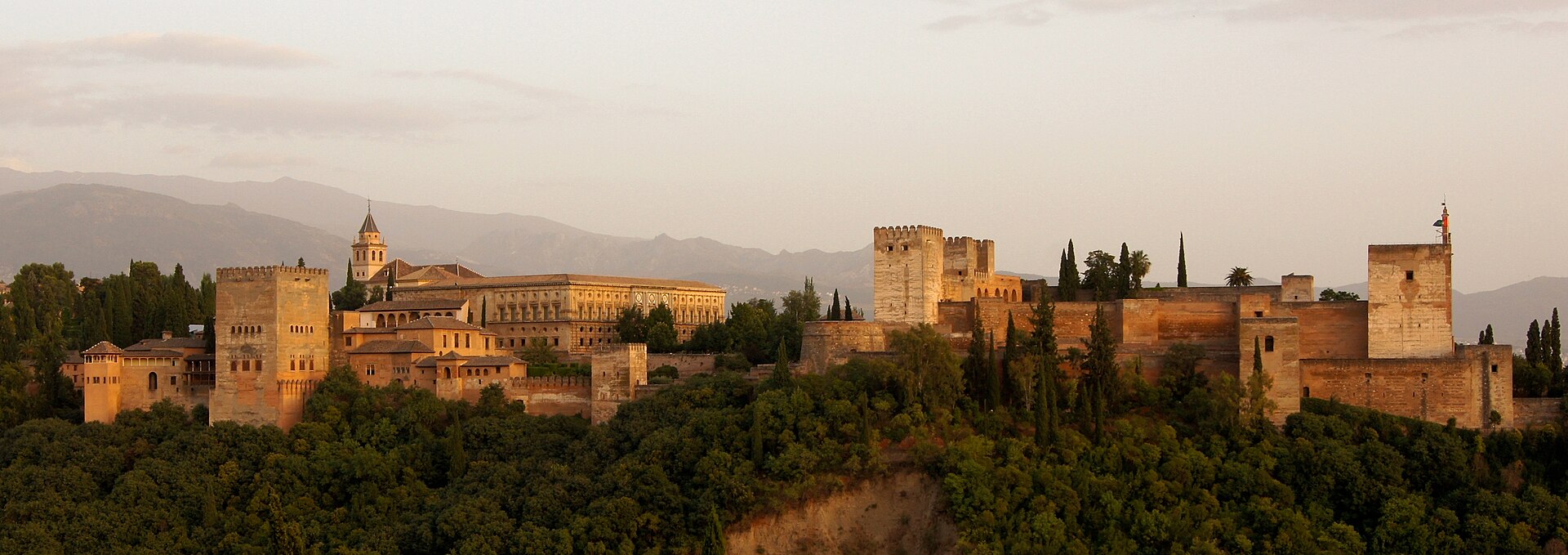
The Alhambra is Spain's most-visited monument — 8,500 tickets a day, fully allocated 6 weeks out in July/August. But knowing three tricks (ticket trick, route reversal, tapas quarter) turns it from a stress day into one of the best day trips you can take from the Costa del Sol. Alhambra tickets — Three ticket strategies. The Alhambra of Granada has three main sections (Palacios Nazaríes, Generalife, Alcazaba) and your ticket fixes your slot for the key one: the Nasrid Palaces. Three strategies that work: Book 3 months ahead via tickets.alhambra-patronato.es — €19.09 standard ticket Book a guided tour if standalone tickets are gone — €40-60 (Civitatis or GetYourGuide) — guaranteed entry Last-minute cancellations — Monday morning 09:00 for the following week, small batches released For anyone who can't get Nasrid tickets: buy the Generalife + Alcazaba-only ticket (€7.42) — always available, that's 70% of the Alhambra experience. We did this two years ago in July when all palace tickets were gone — still a full day. Bring your passport: required at entry, name on ticket must match Early slot: 08:30 or 09:00 are cooler and quieter Tip: download your ticket offline beforehand — wifi and signal inside are unreliable The reverse route through the complex. Default everyone follows the arrows: entry → Alcazaba → Palacios → Generalife. We flip it: entry → Generalife first → Palacios → Alcazaba last. Reason: Generalife has the smallest crowd in the morning, and the Nasrid Palaces take the morning-tour groups around 11:00. By doing Generalife first you arrive in the Palacios around 10:30 when the first groups have moved through. We walked this route last October with my in-laws — three full hours in the complex without feeling rushed. Generalife first: 30 min, cool morning Palacios Nazaríes: 90 min, between morning groups Alcazaba last: 30 min, with view across Granada Tip: bring 1.5L of water — tap water inside is OK Albaicín — The Moorish quarter opposite the Alhambra. The Albaicín is the Moorish-Andalusian hillside quarter across from the Alhambra — UNESCO listed, narrow white streets, 12th-century city walls still partly intact. We always head to Albaicín after the Alhambra (around 14:00) — first lunch on Plaza Larga, then a walk up to Mirador de San Nicolás for the iconic Alhambra view. Especially around 18:30 in summer — the Alhambra glows red at sunset from this spot. Mirador San Nicolás: free, the most famous Alhambra photo point Tapas bars in Albaicín: Bodegas Castañeda (free tapa with every drink, classic), La Tana (wine bar) Tip: explore Plaza Larga for the street bars — most tapas tourism sits lower near the cathedral Catedral de Granada — The forgotten city centre. A lot of people forget Granada has a serious city centre beyond the Alhambra. The Catedral de Granada — built 1523-1704 on the foundations of the main mosque — is surprisingly empty compared to the Alhambra. €5 entry, the beautiful Capilla Real next to it (€6) where Queen Isabella I and Ferdinand are buried. We come here every visit to Granada — better Spanish Renaissance architecture than in Seville. Open: Mon-Sat 10:00-18:30, Sun 15:00-18:00 Price: €5 cathedral, €6 Capilla Real, €10 combo Tip: combine with the Madraza (old Muslim university) — free, next to the Capilla Real Practical: route from the Costa del Sol. Car from Marbella: A-7 + A-44, 2 hours (200 km) Train: Costa del Sol has no direct train to Granada — only Málaga → Granada (90 min, €28) Bus: ALSA Marbella → Granada direct, 3 hours, €18 one-way Best months: April + May + October (summer is 38°C+, complex has no shade) Time plan: leave 07:00 → 09:00 in Granada → Alhambra 09:30-13:30 → Albaicín lunch + mirador 14:00-18:00 → return 19:00 = full day Stay over: for those wanting to take it slow — book a hotel in Albaicín and do the Alhambra the next morning --- Photos: Jebulon (public domain/CC0), Benjamin Smith (CC BY-SA 4.0), via Wikimedia Commons; Google Maps contributors.
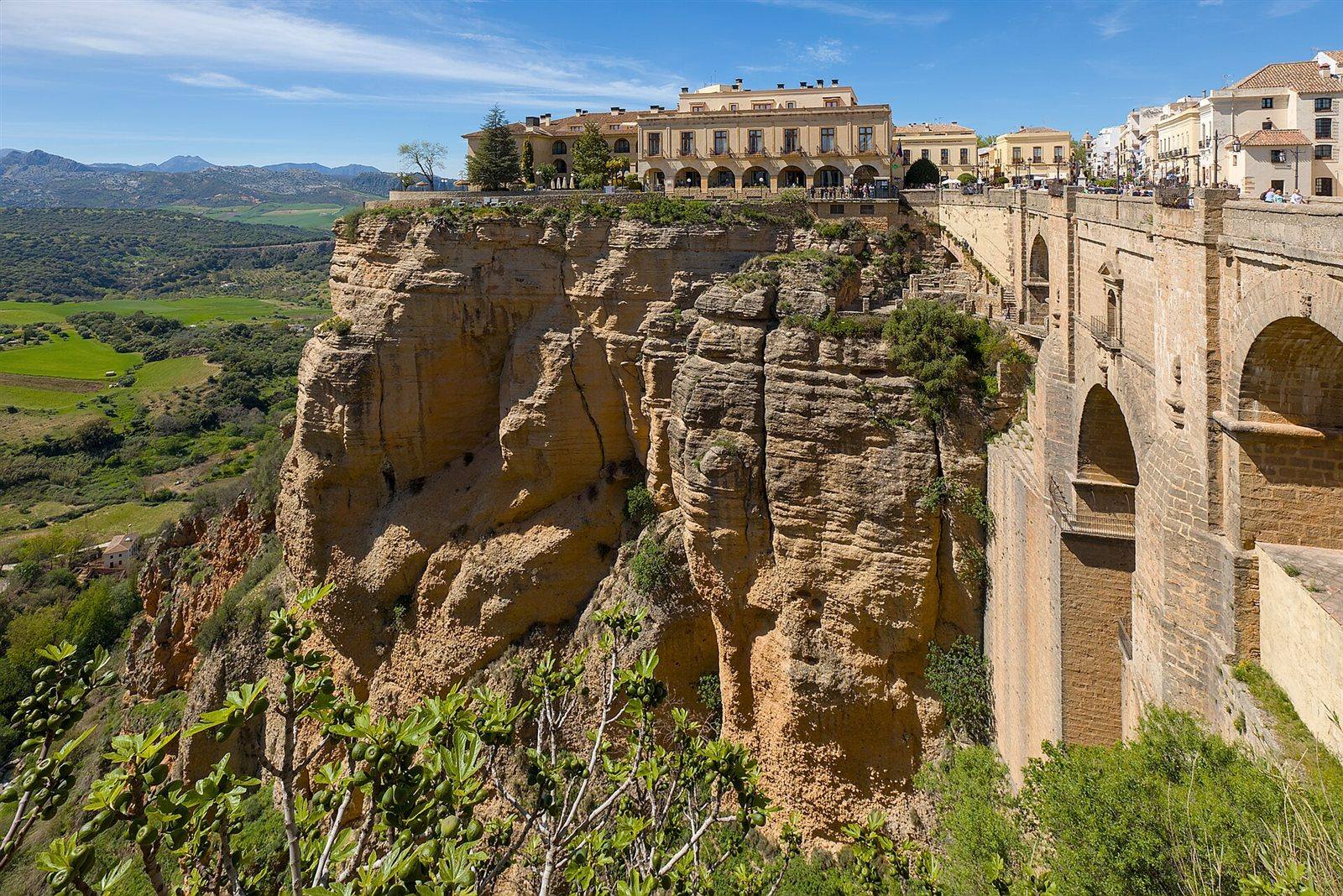
Ronda Day Trip: What Locals Don't Tell You About the White City on the Cliff
Ronda is one of the top 5 visited spots from the Costa del Sol — and that's why 90% of what's written about it is the same story: Puente Nuevo, bullring, terrace with view. Here's what a day-trip veteran tells you about the spots in Ronda where you actually move the needle. Plaza de Toros — Skip the tour, head to the museum. The Plaza de Toros de Ronda is the oldest bullring in Spain (1785). The standard tour costs €9 and runs 30 minutes — but 80% of what they show you is the arena itself, which you already overlook from the top tier. What a local guide told us two years ago: head straight to the Museo Taurino in the same building. That has the actual historical pieces — Ernest Hemingway's letter to the Ordoñez family, Goya's commission for the Pedro Romero portrait, and the first bullfighting masks from 1785. That museum gets five minutes in the standard tour while it deserves thirty. Open: daily 10:00-18:00 (summer), 19:30 in July-August Price: €9 including museum and arena Tip: head to the museum first before 11:00 (groups arrive from then) Casa del Rey Moro — The Moorish water mine is the highlight, not the garden. Casa del Rey Moro sells tickets for 'palace + garden + water mine'. Skip the palace (empty rooms), the garden is OK, but the water mine is the genuinely spectacular bit: 187 stairs down into the Tajo gorge, through Moorish tunnels carved in the 14th century. The first time we came here our daughter was 7 and the combination of candlelight and silence was terrifying and magical. Allow 30 minutes for the descent plus return alone. Open: daily 10:00-19:00 Price: €10 for water-mine-only access (ask for it) Not for: small kids under 5, knee problems Shoes: sturdy, it's slippery Bodega Descalzos Viejos — Wine in a 16th-century chapel in the gorge. Of all 13 bodegas in Ronda, Bodega Descalzos Viejos is the only one literally in the gorge — in an abandoned Franciscan chapel from 1599 on the west side below the town. The wine tour runs 2 hours, costs €25, and ends with a tasting of five wines on the terrace overlooking the Tajo. We went for our 12th anniversary — the owner told us it took 12 years to convince Spanish heritage authorities that a chapel could be restored as a winery. Tours: daily 11:00 + 13:00 + 15:00 + 17:00 Reservation required via descalzosviejos.com Best bottle: Esencia Tinto 2021 (€32) Pedro Romero — Eat partridge, not oxtail. Restaurante Pedro Romero opposite the bullring has been Ronda's most historic taberna since 1947. What they don't tell you: their famous rabo de toro (oxtail stew) is still offered for €22 — but 9 of 10 portions are the mass-produced version made from beef. What you SHOULD order: the perdiz a la rondeña (partridge Ronda-style, €28). That's their specialty since 1947, locally caught, slow-cooked in Manzanilla wine and served with orange. When I ordered this two years ago, the waiter looked at me as if I'd passed an exam. Open: daily 13:00-16:00 and 20:00-23:00 Reservation required for lunch and dinner Wine: ask for the house (Tio Romero, 7-year barrel) — free with menu del día Mirador alternative — Skip the Puente Nuevo queue. The Puente Nuevo itself is iconic — that stays. But the standard photo spot (Plaza de España side) is jammed with tour buses 10:00-14:00 in July-August. Our counter-tip: walk 8 minutes to the Mirador de Aldehuela on the west side of Ronda — fewer people, better light angle after 16:00, and from here you can see the bodegas (including Descalzos Viejos) in the gorge. Free, no reservation. Location: Calle Aldehuela on the west side Best time: 16:00-18:00 (sun behind you, gorge in full light) Other alternative: Mirador El Tajo at Hotel La Maestranza Practical: route and planning from the coast. From Marbella: A-376 (90 min), from San Pedro Alcántara via A-369 (75 min, scenic) Bus: daily 09:00 from Marbella bus station (€8 one-way, Damas Bus) Parking: Plaza de Toros car park €1.50/hour, avoid street parking (usually full) Best months: April + May + September (summer is 40°C in the gorge) Time plan: leave 09:00 from coast → 11:00 in Ronda → bodega 13:00 → lunch 15:00 → mirador 16:30 → return 18:00 = full day --- Photos: Benjamin Smith, José Luis Filpo Cabana, Tesla Delacroix (CC BY-SA 4.0), Matt Blackwell (CC BY-SA 2.0), via Wikimedia Commons; Google Maps contributors.